
A Town Frozen in Time - Book Summary
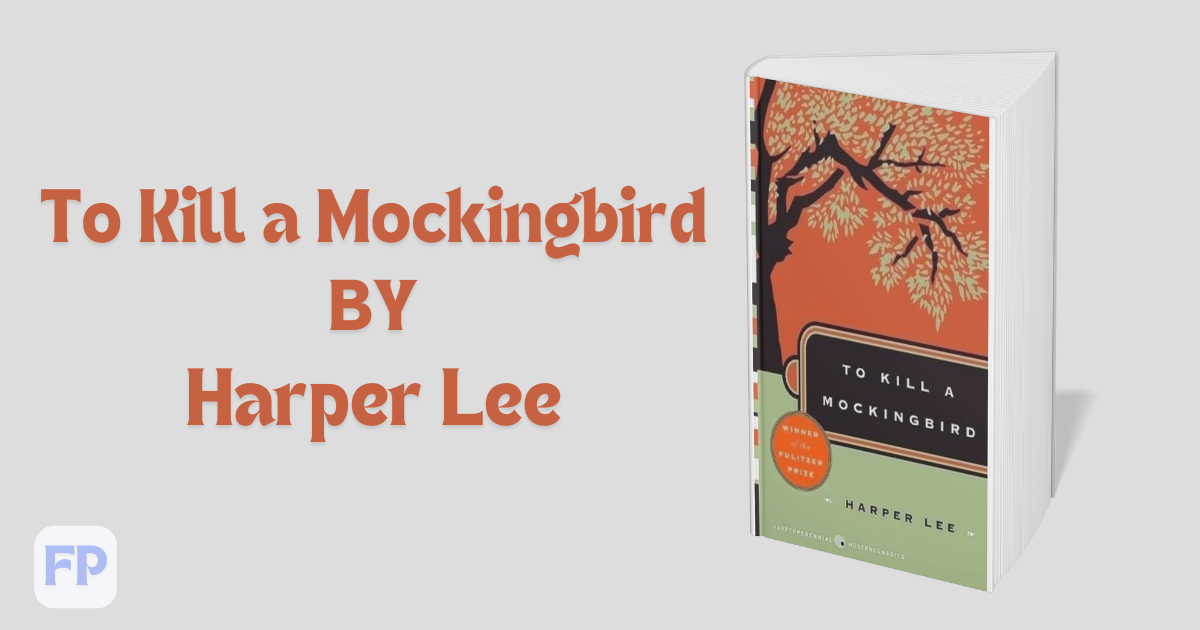
Introduction to Maycomb: A Town Frozen in Time
In To Kill a Mockingbird, Harper Lee paints a vivid picture of Maycomb, a fictional small town in Alabama during the 1930s. Maycomb is described as a sleepy, old town where change happens slowly, if at all. The streets are dusty, and people move at a leisurely pace, reflecting the town's isolation from the world outside. Its residents are deeply rooted in tradition and stuck in rigid social hierarchies, with race and class divisions being prominent.
The town’s old-fashioned values are reflected in the characters who populate it, from the wealthier Finch family to the poor but proud Cunninghams, and the even poorer Ewells. Racism and prejudice are ingrained into everyday life, shaping interactions and decisions throughout the community. For Scout Finch, the young narrator of the story, Maycomb is both home and a symbol of the ignorance and injustice she gradually becomes aware of as the novel progresses.
Through Maycomb, Lee captures the tension between a society unwilling to change and individuals like Atticus Finch who challenge the status quo. Maycomb’s setting is integral to understanding the social, racial, and moral conflicts at the heart of the novel. Its timelessness serves as a backdrop to the novel's exploration of human behavior, as the town’s prejudices mirror the broader issues of justice and inequality in society.
Meet Scout Finch: Childhood Adventures and Family Bonds
Scout Finch, the narrator of To Kill a Mockingbird, introduces readers to her childhood world, full of curiosity and adventure. Growing up in Maycomb, Scout is a tomboy with a strong-willed personality, often getting into trouble for her impulsiveness. She is raised by her father, Atticus Finch, a widowed lawyer with a deep sense of morality, and their African American housekeeper, Calpurnia, who serves as both a caretaker and a disciplinarian.
Scout’s closest companion is her older brother, Jem, and together they spend their days playing outside, inventing games, and exploring the mysterious world around them. Their neighbor and friend, Dill, joins them during the summers, and the trio is particularly fascinated by the Radley house, home to the reclusive Boo Radley. Boo becomes the subject of their childhood imagination and fears, as they invent stories about the “monster” next door.
Throughout these early chapters, Harper Lee emphasizes the innocence of Scout’s childhood, contrasting it with the complex adult world she will soon face. Family bonds play a central role in shaping Scout’s experiences and worldview, particularly her relationship with Atticus, who teaches her important lessons about empathy, integrity, and justice. Scout’s adventures offer a lighthearted glimpse into the joy of childhood, while also laying the foundation for the deeper moral challenges she will encounter as the novel progresses.
Atticus Finch: A Beacon of Integrity and Justice
Atticus Finch, Scout’s father, stands as the moral center of To Kill a Mockingbird. A lawyer and a single father, Atticus is respected throughout Maycomb for his calm demeanor, wisdom, and unwavering sense of justice. He raises Scout and her brother Jem with strong values, teaching them to be empathetic, kind, and to always stand up for what is right, even when it’s difficult.
One of the most significant qualities of Atticus is his integrity. He believes in fairness and equality, and this is tested when he takes on the controversial case of defending Tom Robinson, an African American man falsely accused of raping a white woman, Mayella Ewell. Atticus knows that defending Tom in a racist town like Maycomb will be challenging and may make him unpopular, but he takes the case because he believes in justice and the importance of doing what is morally right, regardless of the consequences.
Through his parenting, Atticus also imparts life lessons to Scout and Jem. He teaches them to avoid prejudice, to understand the perspective of others (“climb into someone’s skin and walk around in it”), and to face challenges with dignity and courage. His quiet strength and wisdom provide a guiding light for his children as they begin to confront the harsh realities of the world around them.
Atticus’s role in the novel highlights the themes of moral courage, empathy, and standing up against injustice. He represents the ideal of ethical leadership, and his character challenges the racial and social prejudices of the time, becoming a timeless symbol of integrity.
The Mysterious Boo Radley: Myth and Reality
Boo Radley, one of the most enigmatic characters in To Kill a Mockingbird, captivates the imaginations of Scout, Jem, and Dill. He is a reclusive neighbor who never leaves his home, fueling a variety of rumors and legends among the children of Maycomb. Boo is often described as a “malevolent phantom,” and the townspeople believe he is dangerous, leading the children to concoct wild stories about him being a monstrous figure who haunts the neighborhood.
Throughout the novel, Boo is a figure of fascination and fear for Scout and her friends. They attempt various schemes to catch a glimpse of him or lure him outside, but Boo remains hidden. However, as the story unfolds, small acts of kindness from Boo begin to challenge the children's perception of him. He leaves gifts for Scout and Jem in a tree near his house—tokens like carved soap figures and chewing gum—which reveal a gentler, caring side of Boo. These mysterious gestures show that Boo is quietly observing the children, protecting them from afar.
Boo Radley’s character serves as a symbol of how fear and prejudice can distort the truth. Initially viewed as a dangerous figure due to his isolation and the rumors surrounding him, Boo is ultimately revealed to be a protector and a hero. He saves Scout and Jem from an attack by Bob Ewell, demonstrating his deep compassion and bravery. By the end of the novel, Scout realizes that Boo is not the monster she once imagined, but a misunderstood, kind-hearted individual who had been unfairly judged by society.
Boo’s story highlights one of the novel’s central themes: the dangers of judging others based on fear or ignorance. His transformation from a feared recluse to a silent guardian illustrates the power of empathy and understanding in seeing beyond surface appearances.
Racial Prejudice and the Trial of Tom Robinson
One of the pivotal events in To Kill a Mockingbird is the trial of Tom Robinson, an African American man falsely accused of raping Mayella Ewell, a poor white woman. This trial brings the deeply entrenched racial prejudice in Maycomb to the forefront and becomes a defining moment for both the characters and the town itself.
Atticus Finch, tasked with defending Tom, knows from the start that the case is hopeless due to the racist attitudes of the time. However, he believes it is his moral duty to provide the best defense possible, standing firm in his belief in justice and equality. Throughout the trial, it becomes clear that Tom is innocent. Atticus presents compelling evidence showing that Mayella was not raped by Tom but rather is lying out of fear of the social stigma attached to her attraction to a black man. Additionally, Tom's physical disability makes it impossible for him to have committed the crime as described.
Despite Atticus’s clear and logical defense, the deeply ingrained racism of Maycomb’s white community prevails. The all-white jury convicts Tom Robinson, not based on evidence but because of his race. The trial reveals the harsh reality of racial injustice in the legal system, where a black man's word holds no weight against that of a white person, even when the white person is as disreputable as Bob Ewell, Mayella’s father.
For Scout and Jem, the trial is a harsh lesson in the cruelty of racial inequality. Jem, in particular, is devastated by the injustice of the verdict, struggling to reconcile the values of fairness his father has instilled in him with the reality of the town’s prejudice. The trial of Tom Robinson serves as a powerful critique of the racism that permeates society and the law, exposing the moral failings of a community that prides itself on tradition and respectability but is blinded by hatred and ignorance.
The trial also highlights the theme of moral courage, as Atticus stands against the tide of popular opinion, fighting for justice in a deeply unjust world. Tom Robinson’s tragic fate underscores the novel's message about the destructive power of racism and the need for empathy and understanding in overcoming prejudice.
Injustice in the Courtroom: The Verdict
The climax of To Kill a Mockingbird occurs during the trial of Tom Robinson, when the courtroom verdict is delivered. Despite overwhelming evidence proving Tom’s innocence, the jury convicts him solely because of the color of his skin. This moment starkly exposes the deep-rooted racism that governs not only the social structure of Maycomb but also its legal system.
Atticus Finch, Tom’s defense attorney, presents a compelling case, demonstrating that it was Mayella Ewell, not Tom, who made advances towards him. Her actions, motivated by loneliness and poverty, were taboo in the deeply segregated society of the South. When her father, Bob Ewell, caught her trying to kiss Tom, the two fabricated the rape accusation to cover up her actions. Despite the truth being laid bare in the courtroom, the jury—composed entirely of white men—convicts Tom, reflecting the broader racial prejudices that permeate the town.
The verdict devastates Jem, Scout’s older brother, who had believed in the fairness of the judicial system. This is a turning point in his understanding of the world, as he realizes that justice is not always served and that prejudice can overpower truth and morality. Scout, though younger, also begins to see the deep flaws in the society she has grown up in.
For Atticus, the verdict, though expected, is still a painful confirmation of the town’s inability to rise above its racial bias. He remains steadfast in his belief that one must fight for justice, even when the odds are overwhelmingly against it. His quiet dignity and perseverance in the face of injustice are admired by some but also draw criticism and anger from others in the community, particularly from Bob Ewell, who feels humiliated by the trial.
The courtroom scene and the unjust verdict highlight the novel's central theme of racial injustice. It illustrates how deeply entrenched societal prejudice can lead to the condemnation of an innocent man, and how even the best efforts of moral individuals like Atticus cannot always overcome systemic racism. The trial’s outcome also foreshadows the tragic fate of Tom Robinson, who later tries to escape from prison, only to be shot and killed—another senseless consequence of the racial hatred that pervades the town of Maycomb.
Injustice in the Courtroom: The Verdict
The climax of To Kill a Mockingbird occurs during the trial of Tom Robinson, when the courtroom verdict is delivered. Despite overwhelming evidence proving Tom’s innocence, the jury convicts him solely because of the color of his skin. This moment starkly exposes the deep-rooted racism that governs not only the social structure of Maycomb but also its legal system.
Atticus Finch, Tom’s defense attorney, presents a compelling case, demonstrating that it was Mayella Ewell, not Tom, who made advances towards him. Her actions, motivated by loneliness and poverty, were taboo in the deeply segregated society of the South. When her father, Bob Ewell, caught her trying to kiss Tom, the two fabricated the rape accusation to cover up her actions. Despite the truth being laid bare in the courtroom, the jury—composed entirely of white men—convicts Tom, reflecting the broader racial prejudices that permeate the town.
The verdict devastates Jem, Scout’s older brother, who had believed in the fairness of the judicial system. This is a turning point in his understanding of the world, as he realizes that justice is not always served and that prejudice can overpower truth and morality. Scout, though younger, also begins to see the deep flaws in the society she has grown up in.
For Atticus, the verdict, though expected, is still a painful confirmation of the town’s inability to rise above its racial bias. He remains steadfast in his belief that one must fight for justice, even when the odds are overwhelmingly against it. His quiet dignity and perseverance in the face of injustice are admired by some but also draw criticism and anger from others in the community, particularly from Bob Ewell, who feels humiliated by the trial.
The courtroom scene and the unjust verdict highlight the novel's central theme of racial injustice. It illustrates how deeply entrenched societal prejudice can lead to the condemnation of an innocent man, and how even the best efforts of moral individuals like Atticus cannot always overcome systemic racism. The trial’s outcome also foreshadows the tragic fate of Tom Robinson, who later tries to escape from prison, only to be shot and killed—another senseless consequence of the racial hatred that pervades the town of Maycomb.
The Aftermath of the Trial: Lessons in Courage
Following the unjust conviction of Tom Robinson, the residents of Maycomb are forced to confront the consequences of their deep-seated racial prejudices. For Scout, Jem, and Atticus, the aftermath of the trial is filled with profound lessons about the nature of courage, justice, and morality. While the town moves on, the trial leaves a lasting impact on those who stood against the tide of injustice.
Jem, particularly shaken by the outcome, struggles to reconcile the fairness he had been taught by Atticus with the stark reality of the trial. The emotional toll on him is significant, as he grapples with disillusionment and a sense of betrayal by the adult world. Jem’s idealistic belief in the justice system is shattered, and he begins to understand that morality and fairness are often overpowered by the hatred and prejudice of society. This marks a pivotal moment in his coming of age, as he transitions from innocence to a more complex view of the world.
For Scout, the trial and its aftermath serve as a profound lesson in human nature. While she is still young, her observations of the trial, and her growing understanding of her father’s role in it, lead her to realize that courage is not always about physical bravery but about standing firm in one’s convictions. Atticus embodies this type of courage, having defended Tom Robinson despite knowing that the odds were against them. His commitment to doing what is right, even in the face of community backlash, leaves a deep impression on Scout, who begins to admire the quiet, moral strength of her father.
In the aftermath, Atticus faces hostility from some of Maycomb’s residents, particularly Bob Ewell, who seeks revenge after being humiliated in court. Ewell’s eventual attack on Scout and Jem serves as a reminder of the lingering hatred and danger that racism and ignorance can incite. However, it also allows Boo Radley, the once-feared recluse, to emerge as the children’s protector, highlighting another lesson about the misjudgment of people based on fear and gossip.
The trial’s outcome also ripples through the African American community, who had placed their hope in Atticus’s defense of Tom Robinson. Despite their appreciation for Atticus’s efforts, the verdict is a painful reminder that justice in Maycomb is skewed by race. This reinforces one of the novel’s central themes: that while individual acts of courage and morality can make a difference, they are often not enough to change deeply entrenched societal wrongs.
Ultimately, the aftermath of the trial teaches Scout and Jem that courage is about standing up for justice and truth, even when the battle is lost. It’s about fighting for what is right, despite knowing that the forces of ignorance and prejudice may win in the end. This hard-earned understanding of courage and moral fortitude becomes central to Scout’s growth and development as she continues to navigate a world fraught with injustice and inequality.
Boo Radley's Heroic Act: Protecting the Innocent
In the final chapters of To Kill a Mockingbird, Boo Radley, once a figure of mystery and fear for Scout and Jem, emerges as a true hero when he protects them from a violent attack by Bob Ewell. This moment reveals Boo’s true nature, contrasting sharply with the terrifying, ghost-like figure the children had imagined him to be throughout their childhood.
The attack occurs as Scout and Jem are walking home from a school event on a dark, deserted road. Bob Ewell, enraged after being humiliated during the trial and seeking revenge on Atticus, targets his children. Ewell’s attack is brutal and sudden, and it seems as though the children have no chance of escape. However, just as the situation turns dire, Boo Radley appears out of the shadows to save them. He fights off Bob Ewell, ultimately killing him to protect the children.
This moment marks a dramatic shift in how Scout and the reader perceive Boo. For most of the novel, Boo is an almost mythical figure—rumored to be dangerous and strange, someone to be feared rather than understood. Yet, his heroic actions reveal his true character: Boo is kind, protective, and courageous. Despite his reclusive nature, he has been quietly watching over the children, caring for them in ways they hadn’t realized, such as leaving small gifts in the tree and, ultimately, saving their lives.
After the attack, Boo’s interaction with Scout is gentle and tender. For the first time, she meets him face-to-face and sees him not as the monster of her childhood imagination, but as a shy, compassionate man. In this climactic moment, Scout finally understands one of Atticus’s central lessons: that it’s wrong to judge someone before walking in their shoes. Boo, who had been misjudged and misunderstood by the townspeople and children alike, turns out to be one of the story’s most noble and selfless characters.
Sheriff Heck Tate and Atticus decide to cover up Boo’s role in Bob Ewell’s death, knowing that bringing Boo into the public eye would only harm him. Tate argues that dragging Boo into the spotlight for his heroism would be like “killing a mockingbird”—an innocent person who has done no harm and only seeks to protect others.
In saving Scout and Jem, Boo Radley embodies the novel’s themes of empathy, compassion, and moral courage. His protection of the children reflects his inherent goodness, despite being marginalized by society. Through this act, Harper Lee reinforces the idea that true heroism often lies in quiet, unnoticed acts of kindness and bravery, and that understanding and empathy are essential in overcoming fear and prejudice.
Reflections on Innocence Lost: Scout's Transformation
In the concluding chapters of To Kill a Mockingbird, Scout Finch reflects on the events that have shaped her understanding of morality, justice, and human nature. The culmination of her experiences—particularly the trial of Tom Robinson, the attack by Bob Ewell, and her encounter with Boo Radley—marks a profound transformation in her character and worldview.
As Scout processes the trauma of the attack and the unjust verdict against Tom, she begins to grapple with the complexities of adulthood and the moral ambiguities of her society. The innocence of her childhood is shattered, replaced by a more nuanced understanding of the world around her. Through the lens of her father’s teachings and the experiences she has endured, she learns that good and evil often coexist within people, and that empathy is crucial in navigating this complexity.
One of the most significant lessons Scout learns is the importance of seeing things from others' perspectives. This theme resonates deeply throughout the novel, particularly in her relationship with Boo Radley. Initially a source of fear and fascination, Boo becomes a symbol of understanding and compassion. In the final scenes, as Scout stands on Boo’s porch and looks out at the world from his perspective, she embodies the very lesson Atticus has tried to instill in her: that true understanding comes from recognizing the humanity in others, regardless of societal prejudices.
The conclusion of the novel also reflects on the concept of moral courage. Scout’s father, Atticus, has demonstrated that standing up for what is right requires strength and resilience, even in the face of overwhelming opposition. The moral lessons imparted by Atticus resonate in Scout’s transformation; she recognizes that the fight for justice is ongoing and that she has a role to play in challenging the prejudices and injustices of her society.
Moreover, the narrative highlights the importance of family and community. Throughout her journey, Scout is supported by her father, her brother Jem, and their housekeeper Calpurnia, who all contribute to her moral education. Their unwavering support, even in the face of adversity, provides Scout with a foundation of love and understanding, helping her navigate the complexities of her world.
In the end, To Kill a Mockingbird closes on a note of hope, as Scout resolves to carry forward the values she has learned. Although she has faced the harsh realities of racism and injustice, she remains optimistic about the potential for change and growth within herself and her community. By embracing empathy, understanding, and moral courage, Scout emerges as a more mature individual ready to confront the challenges of the world with a compassionate heart.
Harper Lee’s novel ultimately invites readers to reflect on their own beliefs and biases, urging them to cultivate understanding and empathy in their interactions with others. Scout's journey from innocence to awareness serves as a powerful reminder of the impact of prejudice and the importance of fighting for justice, making To Kill a Mockingbird a timeless exploration of human morality and social conscience.