
Darkmans by Nicola Barker - Book Summary
Introduction
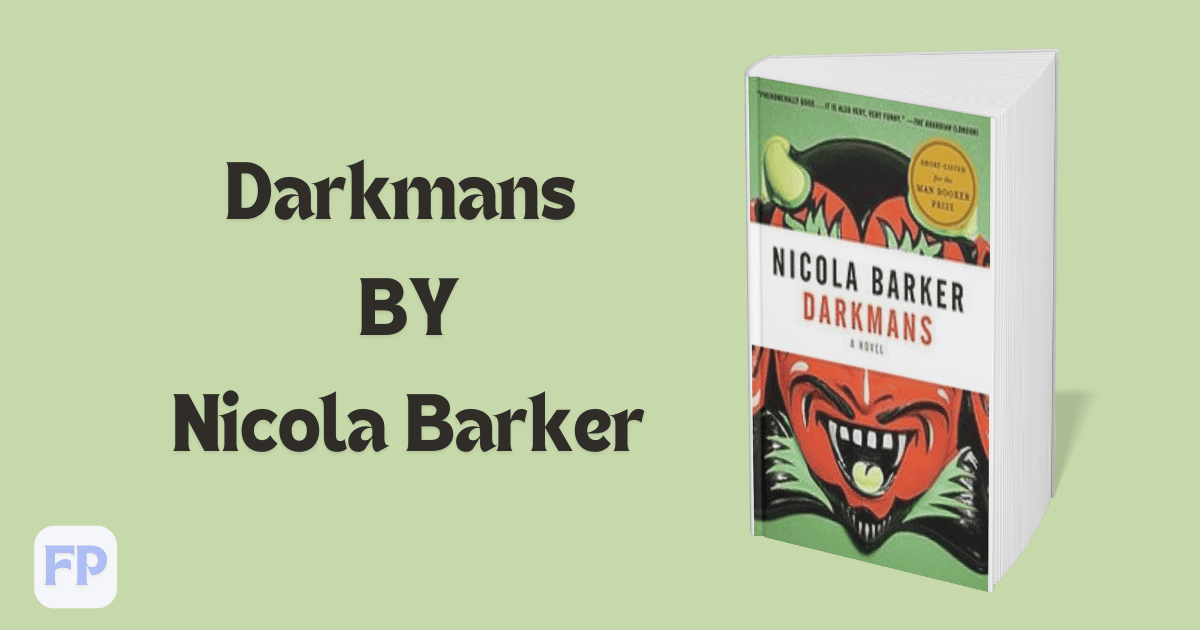
'Darkmans' by Nicola Barker is an imaginative and genre-defying novel that weaves a complex tapestry of history, memory, and modern life. Set in the contemporary British town of Ashford, the narrative explores the profound connections between the past and the present through a range of intriguing characters. Barker's novel is noted for its distinctive style, humor, and the ability to blend the ordinary with the surreal.
Main Themes
The Interplay of Past and Present
At the heart of 'Darkmans' is the theme of history's grip on the present. The novel suggests that our lives are invariably intertwined with the stories and deeds of those who came before. The protagonist, Beede and his interactions with other characters, emphasize how deeply rooted historical patterns influence their everyday lives.
Communication and Miscommunication
The theme of communication, or rather the lack of it, threads through the novel. Characters struggle with their attempts to be understood and to connect with one another, reflecting the broader human condition of isolation amidst a sea of connectivity.
Madness and Reality
The novel blurs the lines between madness and reality, challenging readers to consider what might lie beneath the surface of normalcy. The character Kane embodies this as his behavior often shifts uncomfortably between sanity and chaos, provoking reflections on the nature of mental health.
Key Points
Setting and Atmosphere
The town of Ashford serves as more than a backdrop; it is a character in itself. Ashford's modernization reflects the tension between the old and new worlds, mirroring the novel's preoccupation with history and progress. The atmosphere is rich with eerie and whimsical details that draw readers into its surreal, vibrant world.
Characters
- Beede: A hospital porter with an enigmatic past, Beede serves as a central figure whose interactions highlight the novel's exploration of history's haunting presence.
- Kane: Beede's son, a rebellious and unpredictable individual, represents the clash between convention and the uncontainable forces of creativity and chaos.
- Elisabeth and Isidore Hyrnk: A German mother-son duo adds layers of cross-cultural exchange and misunderstanding, emphasizing the theme of miscommunication.
Plot Overview
The plot of 'Darkmans' is less a linear narrative and more a collage of interconnected stories. It revolves around significant episodes of everyday life that reveal deeper, sometimes supernatural, truths about the characters. The plot intricately weaves seemingly mundane events with historical and supernatural elements, creating a unique reading experience.
Conclusion
Nicola Barker's 'Darkmans' is a remarkable literary achievement that defies easy categorization. Its richness lies in the blend of the banal with the fantastical, leaving readers to ponder the intricate dance between the visible and the unseen forces shaping our lives. The novel challenges readers to rethink traditional narratives, offering a fresh perspective on the profound connections between the past and present.
In sum, 'Darkmans' captures the essence of human existence with its witty and evocative storytelling. Barker’s novel not only reflects on history and time but also humorously critiques the complexities of modern relationships and communication.
While fictional, 'Darkmans' provides thought-provoking insights into real life, leaving a lasting impression that resonates with its audience, subsequently making it a staple of contemporary British literature.