
Dracula's Child by J.S. Barnes - Book Summary
Introduction
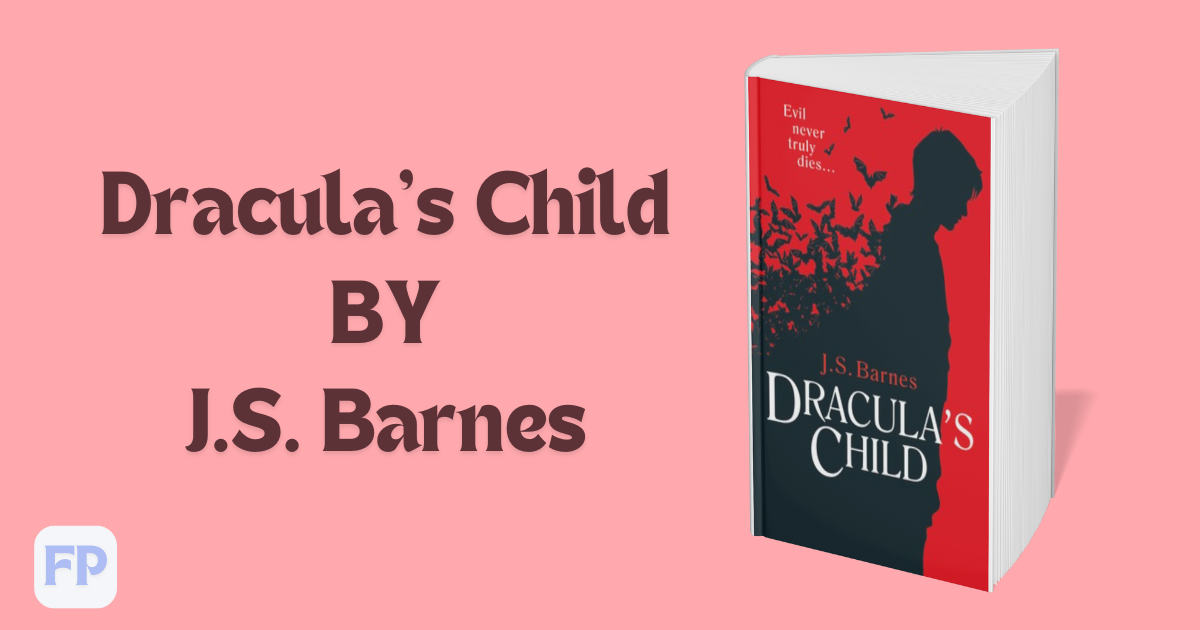
"Dracula's Child" by J.S. Barnes is a gothic epistolary novel that continues the haunting tale begun by Bram Stoker's "Dracula." Set in the Victorian era, the narrative ingeniously blends horror and mystery while exploring the perils of unwittingly awakening ancient evils. Barnes revives iconic characters from the original novel and breathes new life into them, skillfully intertwining their destinies with a fresh, dark intrigue. As a sequel to Stoker's masterpiece, "Dracula’s Child" is both a homage to the classic and a reinvention of the vampire mythos for modern readers.
Main Themes
The Legacy of Evil
At its core, "Dracula's Child" examines the enduring imprint of Dracula's malevolence. The story delves into how the Count's dark influence persists and perpetuates itself through generations, reflecting on the potential for evil to endure far beyond one's lifetime. The novel suggests that such evil can lie dormant, awaiting the right circumstances to rise again.
The Nature of Fear
Barnes expertly explores the concept of fear—both its psychological and physical manifestations. The novel probes how fear influences human behavior and decision-making, often leading characters down perilous paths. The struggle against fear, both internal and external, acts as a central theme, resonating deeply with readers as it did with those who first encountered Stoker's Dracula.
Innocence and Corruption
The conflict between innocence and corruption is vividly depicted through the characters, particularly in the portrayal of children as both symbols of purity and potential vessels for evil. This duality raises questions about the inherent nature of goodness and the susceptibility of the innocent to dark influences.
Identity and Transformation
Identity is another significant theme, as characters grapple with their sense of self in the aftermath of traumatic events. Transformation, both literal and metaphorical, plays a key role in the narrative as characters undergo profound changes in response to the resurgent threat of Dracula.
Key Points
The Setting and Plot
"Dracula's Child" is set a decade after the events of Bram Stoker's original novel. The plot begins with the Harkers, who are attempting to lead a normal life in England following their nightmarish encounter with Count Dracula. Yet, the Harkers and their companions soon find that the shadows of their past are not so easily escaped.
-
Resurgence of the Vampire Threat: The core of the plot revolves around the reawakening of Dracula's influence. The narrative carefully constructs an atmosphere of suspense and danger as characters piece together ominous clues about Dracula's lingering presence.
-
Letters, Diaries, and Court Records: Maintaining the epistolary tradition, Barnes uses a series of letters, diaries, and court records to unravel the story, lending authenticity and immediacy to the unfolding drama. This method also provides diverse perspectives, creating a multifaceted understanding of events.
Key Characters
-
Jonathan and Mina Harker: Central to the narrative is the Harker family, who continue to bear the psychological scars from their past. As parents to their young son, Quincey, they face the dual challenge of protecting him and confronting their own unfading fears.
-
Quincey Harker: As the titular "child," Quincey becomes a focal point for the unfolding mystery. His innocence and the potential for corruption are at the heart of the story’s tension.
-
Abraham Van Helsing: As a returning character, Van Helsing serves as a bastion of knowledge and resilience against the supernatural threats that re-emerge. His determination to persist in the face of existential dread is a crucial element of the plot.
Narrative Style and Atmosphere
Barnes' style pays homage to Stoker's original work while introducing modern sensibilities in dialogue and character development. The use of epistolary techniques allows readers to experience the slow, creeping dread firsthand, enhancing the eerie and foreboding atmosphere that is signature to gothic literature.
Suspense and Revelation
The novel gradually builds tension through a deliberate revelation of secrets and mysteries. Readers are kept on the edge of their seats as the characters draw closer to uncovering the truth about the vampiric resurgence and the role that young Quincey might play in it.
Conclusion
"Dracula's Child" by J.S. Barnes is a masterful continuation of a classic, captivating readers with its profound exploration of evil's legacy and the nature of fear. Through its thematic depth and meticulously crafted characters, the novel stands as a worthy successor to Bram Stoker's iconic tale. It invites the audience to ponder whether one is ever truly safe from the shadows of the past and challenges them to consider the enduring power of the supernatural to intrigue and terrify. The book's blend of homage and innovation ensures that it will be cherished by both fans of the original Dracula and new readers drawn to its chilling embrace.
Ultimately, Barnes triumphs in delivering a thrilling narrative that respects its roots while unnervingly captivating the modern imagination with timeless questions of fear, identity, and morality.