
Harry Potter and the Goblet of Fire - Book Summary
Introduction
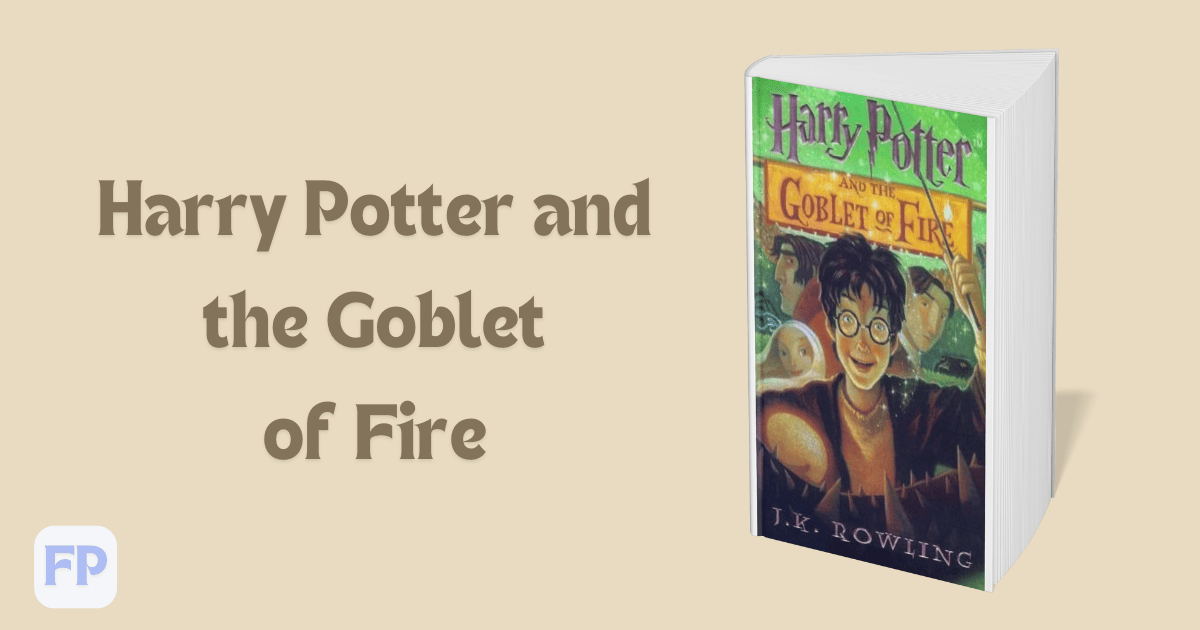
"Harry Potter and the Goblet of Fire" is the fourth installment in J.K. Rowling's globally renowned Harry Potter series. Published in 2000, this book is pivotal, marking a turning point in the series as it transitions from a children's fantasy tale to a darker, more mature narrative. This book introduces readers to the Triwizard Tournament, a magical competition held between three wizarding schools, and delves deeper into the complex tapestry of the wizarding world and its politics. The novel is significant for its exploration of themes such as trust, courage, responsibility, and the perils of fame, culminating in the resurrection of the dark wizard Voldemort.
Main Themes
Friendship and Unity
Throughout "Harry Potter and the Goblet of Fire", the bond between Harry, Ron, and Hermione is tested and strengthened. The trio faces challenges that question the depth of their loyalty and friendship. Unity becomes a central theme as they work together to uncover secrets, solve mysteries, and support each other in the face of growing dangers.
Courage and Bravery
Harry's journey in this book exemplifies the theme of courage and bravery. He is unexpectedly entered into the Triwizard Tournament, a perilous competition he never intended to join. Despite being the youngest competitor, Harry demonstrates immense bravery in overcoming life-threatening challenges, standing up for justice, and facing his fears.
The Complexity of Good and Evil
The book delves into the complex nature of good and evil, emphasizing that appearances can be deceiving. Characters like Bartemius Crouch Jr. and Alastor "Mad-Eye" Moody highlight the duality of human nature, where good intentions can be manipulated for evil purposes. Voldemort’s return further amplifies the pervasive threat of dark forces in the wizarding world.
The Dark Side of Fame
From the beginning, Harry grapples with his unwanted fame. The Triwizard Tournament amplifies his celebrity status, leading to media scrutiny and public speculation. This theme illustrates the burdens of fame and the isolation it can cause, as Harry navigates the fine line between being celebrated and misunderstood.
Ethical Decisions and Personal Responsibility
Harry is faced with numerous ethical dilemmas that test his morals and sense of responsibility. Each trial in the tournament requires him to make difficult choices, highlighting the importance of integrity and self-awareness. The book underscores that even young individuals must bear responsibility for their actions and decisions.
Key Points
The Quidditch World Cup
The book opens with the grand spectacle of the Quidditch World Cup, where Harry and his friends witness the clash between international teams. This event, however, is marred by chaos when Death Eaters, followers of Voldemort, attack and terrorize the spectators, signaling the dark times ahead.
The Triwizard Tournament
Central to the plot is the Triwizard Tournament, a magical competition that brings together Durmstrang Institute, Beauxbatons Academy, and Hogwarts School of Witchcraft and Wizardry. Harry finds himself involuntarily selected as a fourth champion, in addition to Cedric Diggory, Viktor Krum, and Fleur Delacour. Each task tests the competitors' abilities, resilience, and courage, blending physical challenges with magical prowess.
The Tasks
-
First Task - The Dragons: Competitors must retrieve a golden egg guarded by fierce dragons. Harry’s clever use of his broomstick, the Firebolt, exemplifies his quick thinking and resourcefulness.
-
Second Task - The Lake: Competitors dive into the depths of the Hogwarts lake to rescue someone they deeply care about. With the aid of gillyweed, Harry showcases his bravery as he strives to save not only his friend but also other hostages.
-
Third Task - The Maze: A sprawling maze filled with mystical and dangerous creatures challenges the champions. Ingenuity and psychological resilience are key as the maze seeks to disorient and trap them.
The Return of Voldemort
The climax reveals Voldemort's horrifying resurrection using Harry's blood, a dark ritual that bonds his life to Harry’s, setting the stage for their inevitable confrontations. This event transforms the wizarding world's landscape, marking the end of the relative peace that had followed Voldemort's initial defeat.
The Revelation of the Impostor
A major twist unveils that the Defense Against the Dark Arts teacher, believed to be Mad-Eye Moody, is actually Bartemius Crouch Jr. in disguise. His manipulation and engineering of events to ensure Harry’s victory in the tournament reflect on the pervasive threat of deceit and treachery within the wizarding community.
The Rise of Fear and Mistrust
With Voldemort's return, fear, and mistrust seep into the fabric of the magical world. The Ministry of Magic’s denial underlines a refusal to face uncomfortable truths, leading to societal anxiety and paranoia.
Conclusion
"Harry Potter and the Goblet of Fire" is a profound tale that expands the scope and depth of the Harry Potter series. Through its intricate plot and development of vital themes, Rowling effectively captures the complexity of adolescence, the nature of evil, and the essential values of courage and friendship. As dark times loom large, this book lays the foundation for the forthcoming battles and the maturation of its young protagonist, Harry Potter. The growing tension, coupled with the intricate character arcs, solidifies this fourth installment as a critical juncture in the epic saga of Harry Potter. Not only does it reflect on the wizarding world's escalating challenges, but it also portrays the resilience and determination required to face them. This book stands as a testament to the power of bravery, unity, and moral integrity in the everlasting battle between light and darkness.