
Pride and Prejudice by Jane Austen - Book Summary
Introduction
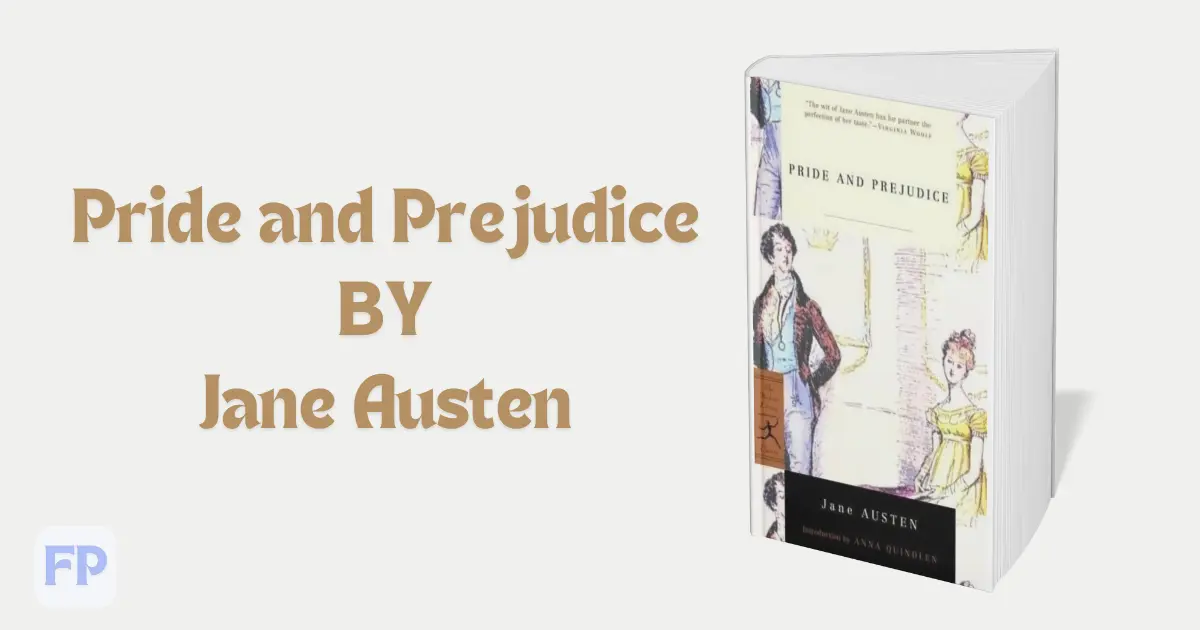
"Pride and Prejudice" is a classic novel written by the legendary English author Jane Austen. Published in 1813, this literary masterpiece has withstood the test of time due to its engaging characters, witty dialogue, and exploration of themes relevant to society both then and now. Set in the Regency Era of England, it delves into issues of class distinction, marriage, morality, and the social norms of the period. Austen uses her sharp wit and keen social commentary to create a vivid picture of the small but profound dramas of the English gentry.
Main Themes
Society and Class
The theme of social class permeates the entire novel. During the Regency era, social hierarchy played a crucial role in determining people's interactions and future prospects. Through characters like Mr. Darcy and Elizabeth Bennet, Austen illustrates how deeply social class affects behavior and relationships. The novel critiques this class structure, portraying a world where personal merit and character struggle against societal expectations.
Pride and Prejudice
The central theme, encapsulated in the title, explores the dynamics between pride and prejudice. Mr. Darcy embodies pride, particularly in his initially haughty demeanor and judgments about those of a lower social standing. Conversely, Elizabeth's prejudice is her tendency to form hasty judgments, particularly against Darcy after their first encounters. Austen deftly unravels these two intertwined traits through the gradual development of her characters.
Marriage
Marriage is perhaps the most dominant theme in "Pride and Prejudice." It is portrayed both as a matter of love and a social necessity. Austen scrutinizes different types of marriages, from the economically motivated union of Charlotte Lucas and Mr. Collins, to the passionate but imprudent match of Lydia Bennet and George Wickham. Through these various portrayals, Austen questions the social norm of marrying for convenience rather than affection.
Individual Growth and Personal Enlightenment
A man's growth and realization of his inner self are vital aspects of the narrative. Both Elizabeth and Darcy undergo significant personal development. Elizabeth learns to see beyond her prejudices and misjudgments, while Darcy manages to become more humble and generous, realizing the faults of his prideful nature. Their self-awareness and ability to change are central to their relationship development.
Key Points
The Bennett Family
The story opens with a glimpse into the lives of the Bennet family. Mr. and Mrs. Bennet are the parents of five daughters: Jane, Elizabeth, Mary, Kitty, and Lydia. The absence of a male heir makes it imperative for the Bennet sisters to secure marriages that ensure their financial and social stability. This urgency is fueled by the arrival of Mr. Bingley, a wealthy bachelor, and his enigmatic friend, Mr. Darcy.
The First Impressions
The initial ball sets the stage for first impressions, a recurring motif throughout the novel. Mr. Bingley's affable nature quickly wins him admirers, particularly Jane. However, Darcy's aloof behavior earns him the town's disdain. Elizabeth, hearing Darcy's dismissive remark about her, forms an enduring prejudice against him.
Evolving Relationships
Elizabeth's journey, filled with misjudgments and personal revelations, leads her to encounter varied personalities, notably Mr. Collins, a pompous clergyman with matrimonial designs, and George Wickham, whose charm conceals a manipulative nature. As Elizabeth learns more about Darcy, particularly through his actions and a pivotal letter, her perceptions shift, leading her to question her initial judgments.
The Turning Point
A significant moment in the novel occurs when Darcy proposes to Elizabeth, an offer laden with pride and a lack of understanding for her feelings. Despite revealing his affection, he also criticizes her family's low status, which Elizabeth finds insulting. Her refusal and the subsequent candid exchange mark a turning point in their relationship, prompting introspection and growth for both.
Revelations and Redemption
The novel crescendos with Lydia's reckless elopement with Wickham, posing a threat to the Bennet family's reputation. Darcy, in a concealed act of benevolence, intervenes to resolve the crisis, ultimately revealing his character's true nature. Elizabeth, upon discovering Darcy's role, sees him with newfound clarity and understanding.
Conclusion and Resolutions
As the novel draws to a close, the central characters have undergone significant transformations. Mr. Bingley's steadfast affection for Jane leads to a proposal, and with Elizabeth's change of heart, she and Darcy find their way back to each other. Their union symbolizes a harmonious blend of financial stability and true affection.
Conclusion
The conclusion of "Pride and Prejudice" embodies Austen's exploration of love transcending societal constraints. It is a celebration of character development, mutual respect, and understanding. Elizabeth and Darcy's relationship, once fraught with misunderstanding, blossoms as a result of their growth, highlighting Austen's belief in personal merit over class and status.
"Pride and Prejudice" remains a testament to Jane Austen's literary genius, offering timeless observations on human behavior, love, and societal norms. Its wit, wisdom, and warmth ensure that it continues to captivate readers across generations.