
Sophie’s Choice by William Styron - Book Summary
Introduction
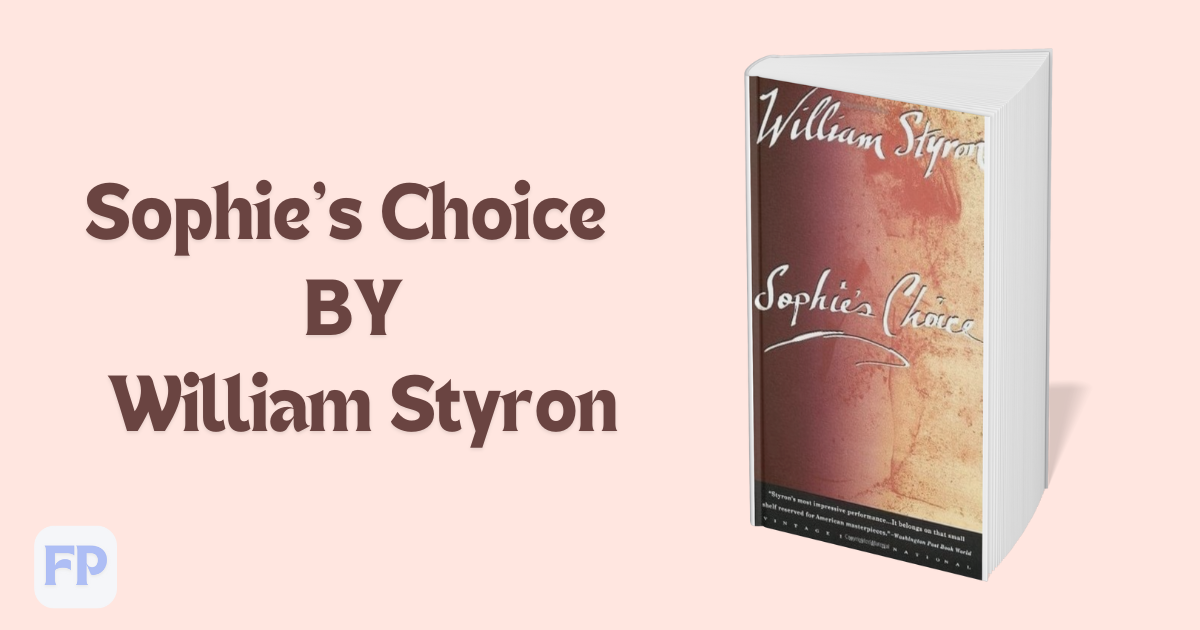
William Styron's Sophie’s Choice, published in 1979, is a tragic and complex narrative that delves into the aftermath of the Holocaust through the lens of personal choice and moral ambiguity. Critical in understanding the post-World War II era, the book confronts the enduring effects of war on survivors and the weight of decisions made under dire circumstances.
Main Themes
The Burden of Choice
At the heart of the story is the theme of unbearable choices. The protagonist, Sophie Zawistowski, a Polish-Catholic Holocaust survivor, is forced to make a horrific decision in Auschwitz that alters her life irrevocably. This theme is intertwined with human morality and the extremes of human endurance.
Guilt and Survival
Sophie embodies the survivor's guilt, grappling with her past actions and continuing existence. Her struggle provides a poignant exploration of how individuals cope with the memories of trauma and the relentless question of why they survived when many did not.
The Complexity of Love and Human Relationships
The novel intricately examines the tangled web of human relationships, particularly the fraught dynamics between Sophie, her lover Nathan, and the narrator, Stingo. Their interactions highlight themes of obsession, dependency, and the need for connection despite past wounds.
Key Points
The Narrator's Perspective
Stingo, the narrator, is a young Southern writer living in Brooklyn during the post-war years. His perspective offers both an outsider's insight and a deeply personal lens through which the story unfolds. Through Stingo, the reader gains access to Sophie's past and the toxic yet passionate relationship she shares with Nathan.
Sophie’s Harrowing Past
Sophie’s past is revealed gradually, uncovering layers of complexity and despair. Her experience at Auschwitz and the abominable choice she had to make are recounted in heart-wrenching detail, serving as the novel's emotional crux. Her backstory is a raw depiction of the human capacity for both cruelty and resilience.
Nathan's Influence
Nathan Landau, Sophie's lover, is a brilliant yet troubled Jewish American with a history of mental illness. Their tumultuous relationship is marked by Nathan's fits of rage and paranoia, which are often directed towards Sophie. Through Nathan, the novel explores themes of madness and the destructive potential of love when paired with unresolved trauma.
Stingo's Coming of Age
Stingo's journey is not only an exploration of love and trauma but also a coming-of-age story. His experiences with Sophie and Nathan propel him into the harsh realities of adulthood, where he must confront themes of death, desire, and the power of unfulfilled dreams.
The Human Touch
Styron masterfully blends fiction with historical fact, using rich prose to evoke empathy and reflection. His characters are deeply flawed yet profoundly human, offering a microcosm of post-war existential disillusionment. The emotional intensity of Sophie's narrative is both haunting and enlightening, prompting readers to ponder the depths of human suffering and redemption.
Conclusion
Sophie’s Choice is a heart-wrenching exploration of the human condition and the relentless shadow of history. Styron's narrative deftly balances the intimate and the universal, challenging readers to confront the nuanced realities of choice, guilt, and love in the aftermath of unspeakable atrocities. The novel remains a significant literary achievement, shedding light on the enduring scars left by the Holocaust and the moral complexities of survival.