
Team of Rivals by Doris Kearns Goodwin - Book Summary
Introduction
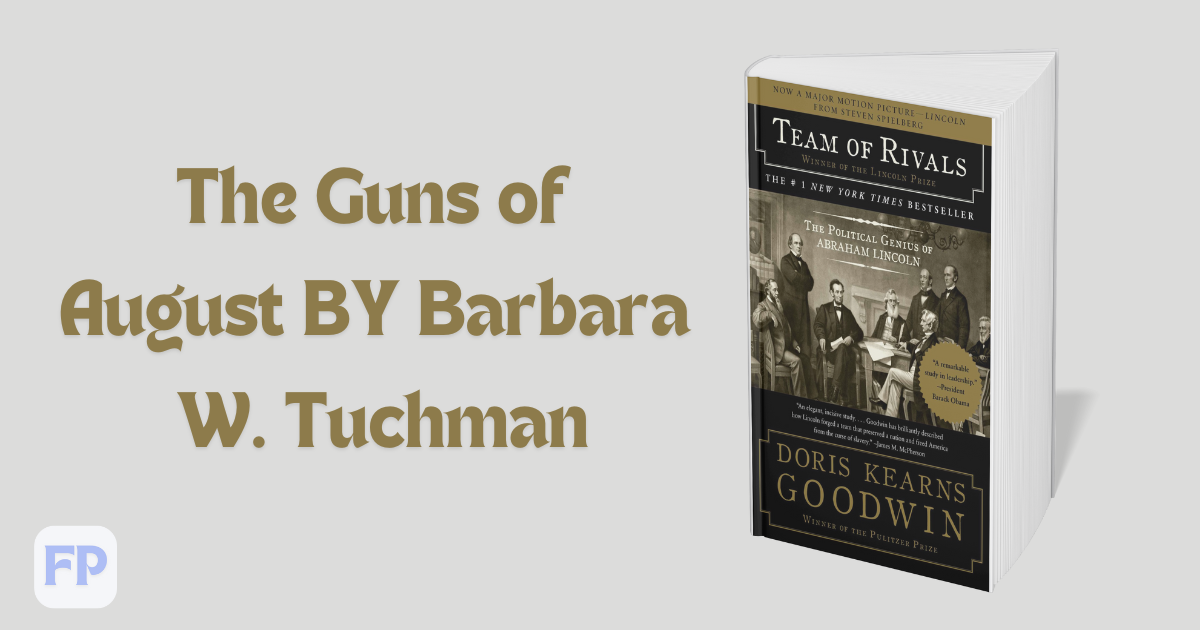
"Team of Rivals: The Political Genius of Abraham Lincoln" is a biographical narrative focusing on the preeminent strengths of Abraham Lincoln as a political leader. Written by Pulitzer Prize-winning author Doris Kearns Goodwin, the book was published in 2005 and delves into Lincoln's unique ability to unite a country through his adept political strategies and his capacity to embrace differences. Rather than merely chronicling events from the American Civil War, Goodwin offers a profound exploration of Lincoln's presidency by examining his relationship with key members of his administration, many of whom were his initial adversaries.
Main Themes
Leadership and Strategy
One of the primary themes of the book is Lincoln's unprecedented leadership style and his strategic foresight. The title "Team of Rivals" itself underscores Lincoln’s magnanimous approach to governance, as he chose to form his cabinet with men who initially were his political competitors for the presidency in the 1860 election.
Political Genius of Lincoln
Lincoln's ability to balance diverse political ideologies within his cabinet is a testament to his political genius. Goodwin meticulously illustrates how Lincoln was able to convert former adversaries into allies, capitalizing on their talents to better the nation. He maintained a strong and cohesive administration during one of America's most tumultuous periods.
Unity and Reconciliation
The central theme of unity and reconciliation is pivotal in understanding Lincoln's presidency. His commitment to unifying a divided nation, mitigating sectional tension, and his vision of a post-war America are crucial points highlighted throughout the narrative.
Key Points
Formation of the Cabinet
Goodwin artfully details how Lincoln appointed his cabinet, selecting prominent figures who had previously opposed him: William H. Seward, Salmon P. Chase, Edwin M. Stanton, and Edward Bates. Each brought a unique perspective and expertise to the administration.
The 1860 Presidential Election
The book recounts the complex political landscape of the 1860 election. Despite lacking formal education and political experience compared to his rivals, Lincoln emerged victorious, owing to his plain-speaking honesty, political dexterity, and ability to connect with ordinary citizens.
The Emancipation Proclamation
The account of the Emancipation Proclamation is a pivotal moment in the book. Goodwin illustrates how Lincoln navigated the intricate political and social opposition to pave the way for the proclamation that declared the freedom of slaves in Confederate territories, highlighting his moral and ethical convictions.
Relationships with Cabinet Members
An extraordinary aspect of Lincoln’s leadership was his capacity to handle diverse personalities within his cabinet. Despite harboring personal ambitions and sometimes conflicting with Lincoln's views, his cabinet members played instrumental roles in guiding the country through the Civil War.
The Battle with Radical and Conservative Elements
Lincoln’s adept balancing of radical and conservative elements within his administration ensured survival of the Union. Goodwin provides a nuanced analysis of how Lincoln managed intra-party conflicts while keeping the focus on preserving the nation.
The Legacy of Lincoln's Leadership
The legacy of Lincoln’s presidency is evidenced in his profound impact on American society and politics. His ability to empathize with differing viewpoints and transform opposition into support remains a key lesson in effective leadership.
Conclusion
"Team of Rivals: The Political Genius of Abraham Lincoln" offers a comprehensive look at the political skills and personal qualities that defined Abraham Lincoln and his presidency. Goodwin's narrative not only sheds light on the formidable political challenges Lincoln faced but also celebrates his resilience and profound impact on the nation.
The book remains a seminal text for understanding Lincoln’s lasting legacy, highlighting how his extraordinary ability to build consensus from discord has become a model for leadership across the globe. Drawing from detailed historical accounts, and woven with personal anecdotes, Goodwin provides readers an immersive experience into the life and presidency of one of America's greatest leaders.
This captivating tale of perseverance and strategic intellect is thus not just a historical biography but a timeless lesson in overcoming adversity, making it crucial reading for anyone aspiring to understand the essence of effective leadership in politics.