
The Dogs of War by Frederick Forsyth - Book Summary
Introduction
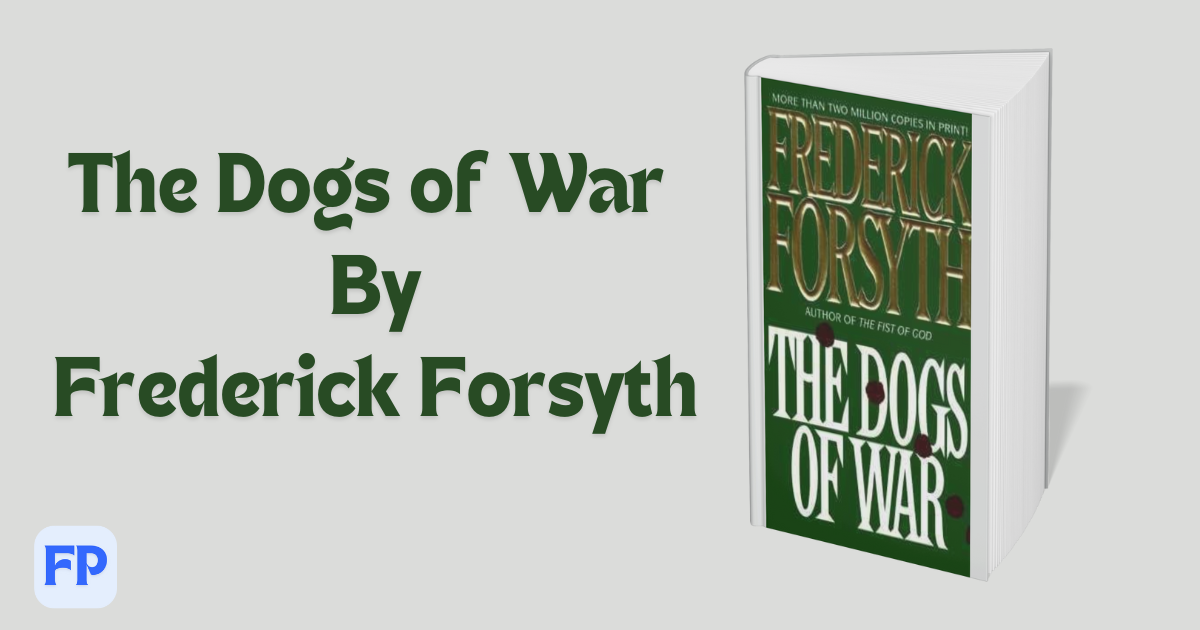
Frederick Forsyth's novel, "The Dogs of War," is a gripping tale of intrigue, mercenary operations, and geopolitical manipulations. Released in 1974, the book is a testament to Forsyth's deep understanding of military strategy, political nuance, and the darker aspects of international power dynamics. The novel not only explores the world of mercenaries but also delves into the motivations and machinations of those who hire them, making it a multifaceted exploration of power and greed.
Main Themes
Mercenary Culture
The novel sheds light on the clandestine world of mercenaries. Forsyth intricately details the recruitment, training, and operational strategies of these soldiers-for-hire, offering readers a glimpse into their motivations, ethics, and the challenges they face.
Political Manipulation and Greed
At its core, "The Dogs of War" is a commentary on how corporations and governments manipulate geopolitical events for profit and power. The narrative reveals the extent to which greed can drive decisions that impact the lives of countless individuals.
Colonial Legacy and African Politics
The setting of the fictional African nation of Zangaro serves as a backdrop for exploring the lasting impacts of colonialism. Forsyth examines how post-colonial states often grapple with instability, corruption, and the interference of foreign powers.
Moral Ambiguity
The novel presents a gray morality where traditional notions of right and wrong are blurred. Characters are driven by complex motives, often forcing readers to question ethical boundaries and the true cost of their actions.
Key Points
Plot Overview
"The Dogs of War" revolves around a coup d'état orchestrated by a British mining tycoon, Sir James Manson, who seeks to exploit the rich platinum deposits found in Zangaro. Manson hires Cat Shannon, an experienced mercenary, to overthrow the dictator, General Kimba, and install a puppet government that would favor his business interests.
-
Initial Setup: The story begins with the discovery of a valuable platinum deposit in Zangaro. Sir James Manson, a resourceful and unscrupulous businessman, sees an opportunity to secure control over this resource, prompting the plot's central conflict.
-
Shannon’s Recruitment: Manson enlists Cat Shannon to execute the coup. Shannon meticulously plans and assembles a team of mercenaries, showcasing the logistical and financial intricacies of staging a military takeover.
-
Planning and Execution: Shannon's preparations extend from procuring arms, coordinating with fringe players, and establishing a covert network to infiltrate Zangaro. Forsyth's detailed narrative provides a step-by-step account of the coup's orchestration.
-
Ethical Dilemmas: Throughout, Shannon grapples with his ethical stance, questioning the moral implications of his mission. This internal conflict adds depth to his character and raises poignant questions about the nature of warfare and profit.
-
Consequences and Unraveling: As the operation unfolds, unforeseen complications arise. The coup's aftermath presents a stark picture of the volatile socio-political landscape in Zangaro, underscoring the unpredictability and high stakes involved in such ventures.
Characters
-
Cat Shannon: A seasoned mercenary, Shannon is portrayed as both competent and introspective. His character embodies the archetype of the soldier-of-fortune, driven by both personal gain and a code of professional ethics.
-
Sir James Manson: A calculating and ruthless businessman, Manson's character represents the often unseen corporate forces that manipulate political landscapes for resource exploitation.
-
General Kimba: The despotic ruler of Zangaro, Kimba's regime symbolizes the tyrannies that plagued many post-colonial African nations during the 20th century.
-
Supporting Characters: The diverse cast of mercenaries and political figures adds depth to the narrative, each contributing unique perspectives that enrich the storyline.
Setting
The novel is primarily set in the fictional West African country of Zangaro, a thinly veiled portrayal of the political and economic tumult experienced by many African nations post-independence. Forsyth's attention to detail in illustrating the landscape, culture, and socio-political dynamics of Zangaro enhances the authenticity of the setting. The juxtaposition of the economically motivated West with the poverty-stricken and politically unstable African nation underscores the novel's critical examination of neocolonial exploitation.
Conclusion
"The Dogs of War" by Frederick Forsyth remains a powerful exploration of the intersection between commerce, conflict, and morality. Through its intricate plot and complex characters, the novel vividly portrays the shadowy world of mercenaries and the ruthless economic ambitions that drive global conflicts. Forsyth's narrative compels readers to confront uncomfortable truths about the geopolitical landscape and the often-unseen forces that shape our world. The book remains a resonant and thought-provoking read, inviting reflections on the ethics of war and the enduring impact of colonial history on modern geopolitics.
Through this comprehensive summary, we delve into key facets of Forsyth's novel, highlighting its themes, character dynamics, and pivotal plot points that underscore its enduring significance in literature.