
The Great Gatsby by F. Scott Fitzgerald - Book Summary
Introduction
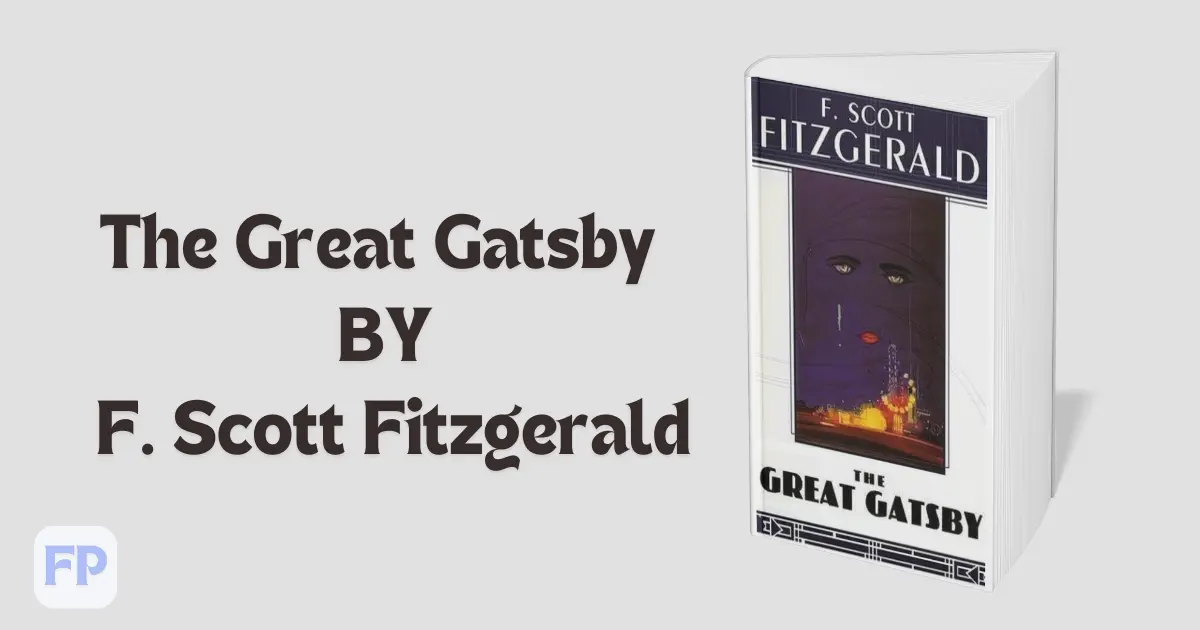
The Great Gatsby, authored by F. Scott Fitzgerald, is considered one of the quintessential novels of the Jazz Age. Published in 1925, it paints a vivid picture of the Roaring Twenties, a time characterized by economic prosperity, cultural shifts, and the pursuit of the American Dream. The story is set in the fictional towns of West Egg and East Egg on Long Island, providing a backdrop for exploration of themes like decadence, idealism, and social upheaval.
Brief Overview
The novel is narrated by Nick Carraway, a Yale graduate and veteran of World War I from the Midwest who moves to New York's West Egg to learn about the bond business. Nick rents a small house next to the extravagant mansion of the enigmatic Jay Gatsby, a wealthy and mysterious man known for his lavish parties. As Nick becomes entwined in the lives of Gatsby, his cousin Daisy Buchanan, her husband Tom Buchanan, and others, he observes the decay of the American Dream and the disillusionment of those chasing it.
Main Themes
The American Dream
One of Fitzgerald's central concerns is the disintegration of the American Dream in the 1920s—a casualty of greed and materialism. Gatsby embodies this theme, as he amasses incredible wealth in an attempt to win back his first love, Daisy, who is now married. His pursuit highlights the elusive nature of the American Dream, showcasing that even unparalleled wealth can't buy happiness or social acceptance.
Love and Betrayal
Gatsby's obsession with Daisy is rooted in an idealized past that never truly existed. His romantic vision blinds him to the reality of Daisy's shallow and careless nature. This theme of love versus reality plays out as characters deceive one another and themselves, resulting in emotional devastation.
Social Class and Inequality
Fitzgerald delves into the class divide between the old money of East Egg, embodied by the Buchanans, and the new money of West Egg, exemplified by Gatsby. The story critiques the rigid social hierarchy and the notion that social status and wealth determine one's value.
The Loss of Innocence
As Nick spends more time within Gatsby's circle, he becomes increasingly disenchanted with the decadence and corruption around him. His narrative illustrates a loss of innocence, both personally and as a broader reflection of society's moral decay during the Jazz Age.
Key Points
Characters and Their Dynamics
-
Jay Gatsby: A wealthy and enigmatic figure, known for his lavish parties. Underneath his mysterious facade lies a deep, unrequited love for Daisy, driving most of his actions throughout the novel.
-
Nick Carraway: The novel's narrator, offers an outsider's perspective on the excesses of the Roaring Twenties. His journey is one of growing disillusionment with the ostentatious lifestyle around him.
-
Daisy Buchanan: Nick's cousin and Gatsby's love interest. Her charm and beauty mask her selfish, shallow nature and her ultimate choice to prioritize social status over love.
-
Tom Buchanan: Daisy's wealthy, brutish husband who represents the old aristocracy. His sense of entitlement and infidelity reveal the moral corruption festering under the surface of the elite.
-
Jordan Baker: A professional golfer and a friend of Daisy's, known for her aloof and cynical attitude. She represents a new kind of woman emerging during this era—independent yet morally ambiguous.
-
Myrtle Wilson: Tom's mistress who dreams of a better life. Her tragic fate underscores the harsh realities of class and the dangers of romantic illusions.
-
George Wilson: Myrtle's husband, a mechanic who is consumed by grief and vengeance following his wife's death, leading to the novel's climactic events.
Plot Highlights
-
Gatsby's Parties: The extravagant gatherings at Gatsby's mansion symbolize the era's opulence and excess. They serve as a backdrop for the exploration of themes such as isolation and the hollow pursuit of pleasure.
-
Alienation of Love: Gatsby's longing for Daisy represents a larger commentary on the deceptive allure of the past. Despite his wealth, he remains disconnected from the world around him, as do many characters in their personal pursuits.
-
Valley of Ashes: A desolate, industrial wasteland lying between West Egg and New York City. This setting symbolizes the moral and social decay resulting from the uninhibited pursuit of wealth, highlighting class disparity.
-
Confrontation in NYC: This pivotal scene marks the climax of the novel, where Gatsby's dream unravels as Tom exposes the truth of Gatsby's illegal pursuits and Daisy's true nature is revealed.
Symbolism
-
The Green Light: Situated at the end of Daisy's dock, this light symbolizes Gatsby's hope and the unattainable dream of recapturing the past.
-
The Eyes of Dr. T.J. Eckleburg: Often interpreted as the eyes of God, these faded billboard eyes watch over the moral decay and the carnage in the Valley of Ashes.
-
East Egg vs. West Egg: These contrasting locales highlight the class struggles, with East Egg representing inherited wealth and old money snobbery, while West Egg reflects the new money and the entrepreneurial spirit, albeit tainted by criminal duplicity.
Conclusion
F. Scott Fitzgerald's The Great Gatsby is a profound examination of the American Dream and its complexities. Through its rich characters and intricate plot, the novel critiques the materialism, moral decay, and social stratifications of the 1920s. Ultimately, it portrays the devastating reality that dreams grounded in illusion will always crumble. This timeless classic continues to resonate, illuminating the universal quest for identity, love, and the perils of idealization in an ever-changing world.