
The Little Liar by Mitch Albom - Book Summary
Introduction
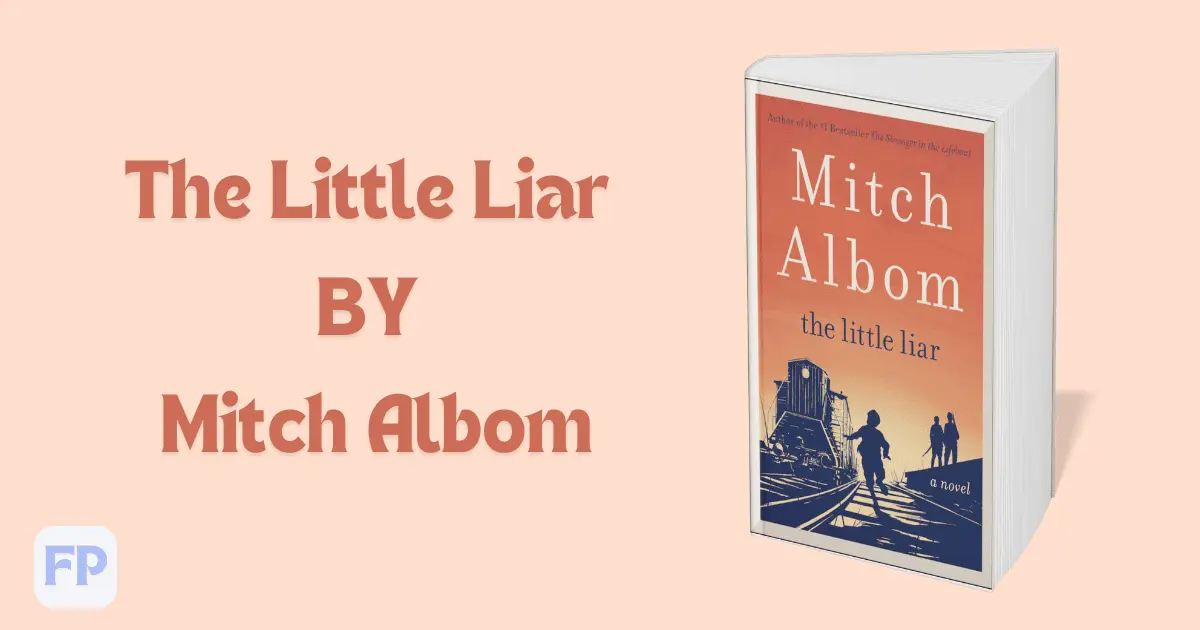
"The Little Liar" by Mitch Albom is a poignant narrative set against the backdrop of a world where truth and lies intermingle to shape destinies. This story intertwines themes of innocence, the complex interplay of truth, and the moral implications surrounding deception. Albom, known for his storytelling prowess, crafts a tale that resonates with readers, inviting them to reflect on the nature of honesty and the consequences of deceit.
Main Themes
The Complexity of Truth and Lies
The book adeptly explores the grey areas between truth and lies, delving into how individuals navigate complex moral landscapes. Characters in the novel frequently encounter situations where they must weigh the perceived safety of lies against the potential harm of truth. This theme probes into the human condition, examining how lies, no matter their intent, have a way of reshaping lives and altering the course of events.
Innocence and Growth
Through the journey of the protagonist, Albom examines the fragility and resilience of innocence. As the central character confronts various life challenges, their growth from innocence to experience is depicted with a nuanced understanding of human nature. This theme emphasizes that while innocence is often endangered, it remains a potent force that inspires hope and redemption.
The Moral Consequences of Deception
A significant thread in the narrative is the moral weight that accompanies deception. Characters find themselves ensnared by the lies they tell, showing that while falsehoods might offer immediate relief, they often lead to complex and unforeseen outcomes. Albom uses these dynamics to prompt readers to consider the ethical dimensions of lying and truth-telling.
Key Points
The Storyline and Characters
The protagonist, a young child known for telling lies, finds their life irrevocably changed as the story unfolds. Through encounters with various characters—each with their moral dilemmas and personal histories—the protagonist learns invaluable lessons about honesty and deception.
-
Protagonist's Journey: The young liar's path from a naive child to a reflective individual serves as the crux of the story. The child's ability to lie becomes both a tool for survival and a source of inner conflict.
-
Supporting Characters: Albom masterfully sketches secondary characters who play crucial roles in challenging the protagonist's worldview and fostering their emotional growth.
Narrative Techniques
Albom employs a blend of narrative styles to enhance the tale's emotional depth and complexity. Through shifts in perspective and time, the story unveils its layers, making it a rich tapestry of experiences and emotions.
-
Multi-angled Perspectives: By presenting events from multiple viewpoints, the author amplifies the emotional and philosophical undertones, allowing readers to engage more profoundly with the moral questions raised.
-
Imagery and Symbolism: Albom uses powerful imagery and symbols to underscore the central themes. The juxtaposition of light and darkness, for instance, provides a metaphor for truth and deception, illustrating their inherent duality.
Emotional and Philosophical Resonance
The book strikes a chord with readers by blending emotional intensity with philosophical inquiry. As the protagonist grapples with their understanding of truth and lies, Albom poses profound questions about human nature, morality, and the essential quest for authenticity.
Conclusion
Mitch Albom's "The Little Liar" is a captivating exploration of the interplay between truth and deception, anchoring its narrative in the universal themes of innocence, growth, and moral consequence. Through nuanced storytelling, Albom invites readers into a world where the boundaries of right and wrong are continually tested, prompting introspection about the nature of honesty.
By the book's end, readers are left contemplating the enduring impact of lies and the redemptive power of truth—a testament to Albom's ability to weave a story that is both thought-provoking and emotionally compelling.