
The Lord of the Rings by J.R.R. Tolkien - Book Summary
Introduction
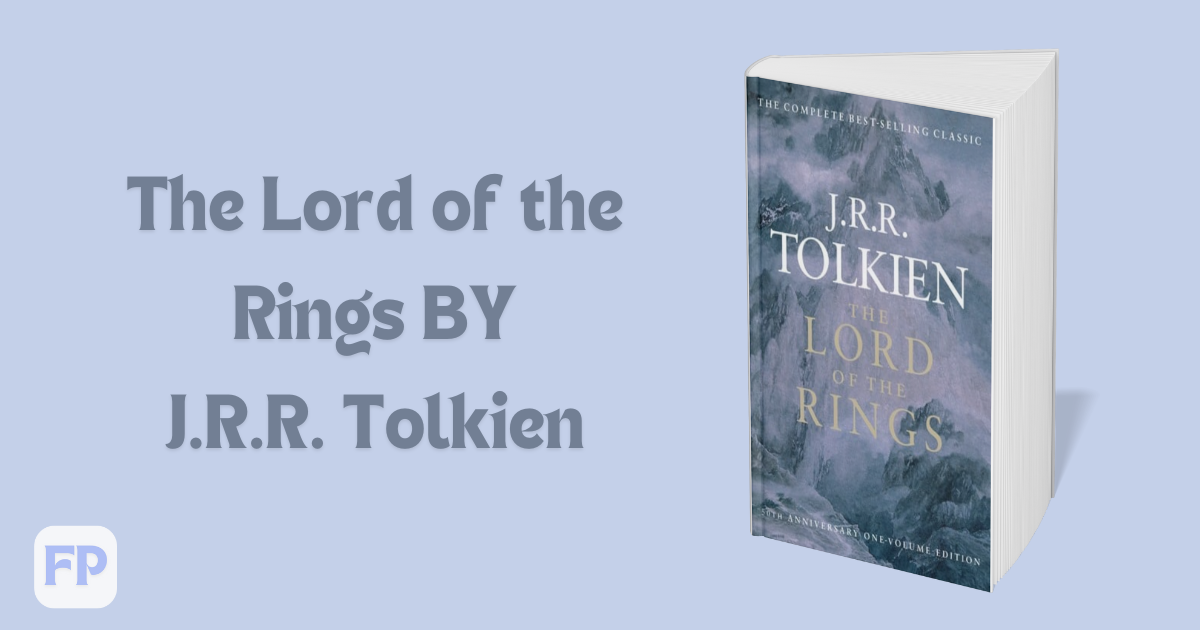
"The Lord of the Rings" by J.R.R. Tolkien is a seminal fantasy novel that has captured the imaginations of readers for decades. Originally published in three volumes—"The Fellowship of the Ring," "The Two Towers," and "The Return of the King"—this epic tale continues to be a cornerstone of fantasy literature. Set in the richly detailed world of Middle-earth, the story revolves around the quest to destroy the One Ring, a powerful artifact created by the Dark Lord Sauron. Its narrative weaves a complex tapestry of friendship, power, sacrifice, and the fight between good and evil.
Plot Overview
The Fellowship of the Ring
A Quiet Beginning
The novel begins in the Shire, a peaceful region inhabited by Hobbits. Frodo Baggins, a young Hobbit, inherits the One Ring from his uncle, Bilbo Baggins. Upon realizing the Ring's dark power, thanks to the guidance of the wizard Gandalf, Frodo embarks on a journey to the land of Rivendell.
The Fellowship Forms
At Rivendell, a council is held to decide the fate of the Ring. It is here that the Fellowship is formed: Frodo is joined by Samwise Gamgee, Peregrin Took (Pippin), Meriadoc Brandybuck (Merry), Aragorn, the prince of Men, Legolas the elf, Gimli the dwarf, and Boromir, a man of Gondor. Their mission is to take the Ring to Mount Doom in Mordor, the only place it can be destroyed.
The Two Towers
Splintered Paths
After tragedy and betrayal at the end of the first volume, the Fellowship is divided. Frodo and Sam continue alone toward Mordor, accompanied by the creature Gollum, who seeks the Ring for himself. Aragorn, Legolas, and Gimli pursue Merry and Pippin, who have been captured by evil Orcs.
Battles and Kingdoms
The narrative splits to cover different storylines. Frodo and Sam’s journey into Mordor is marked by their trust and suspicion of Gollum. Meanwhile, Aragorn and his group are embroiled in the wars enveloping the lands, witnessing Rohan's battles against Sauron’s forces. Key battles such as Helm’s Deep highlight themes of resistance against overwhelming darkness.
The Return of the King
The Final Battles
The narrative crescendos with the desperate defenses of Minas Tirith, the capital of Gondor, facing an assault by Sauron’s massive armies. Aragorn must step into his fated role as the rightful king. As the battles rage, Frodo and Sam reach the heart of Mordor.
The Ring's Fate
In an intense climax, Frodo reaches Mount Doom. In a moment of weakness, he claims the Ring for himself but is unwittingly saved by Gollum, whose obsession leads to his own downfall and the Ring's destruction. Sauron's power collapses, ending his dominion.
Main Themes
Good vs. Evil
At its core, "The Lord of the Rings" explores the timeless battle between good and evil. Through dark forces led by Sauron and the valiant resistance of the Free Peoples of Middle-earth, Tolkien examines how light can illuminate darkness.
Power and Corruption
The One Ring symbolizes the corruptive allure of power. Frodo’s struggle with the Ring illustrates how power can dominate and destroy even the most pure-hearted.
Friendship and Fellowship
Throughout the journey, the foundation of trust and camaraderie among the Fellowship members highlights the importance of loyalty and friendship as sources of strength in adversity.
Sacrifice
Characters frequently face choices that require great personal sacrifice. The journey's success is built on acts of selflessness, such as Frodo’s willingness to bear the Ring and Aragorn's acceptance of his destiny.
Key Points
Detailed World-building
Tolkien’s expansive world-building creates a believable and immersive setting. From the lush landscape of Middle-earth to the different cultures encountered, every detail is infused with history, language, and lore.
Character Development
The novel’s characters undergo significant development. Frodo’s transformation from a simple Hobbit to a hero outlines a quest for personal growth and the burden of responsibility. Similarly, Aragorn embraces his lineage, epitomizing the reluctant hero archetype.
Moral Complexity
The story features morally complex characters, such as Gollum, who embodies both villain and victim. The nuanced portrayal of good and bad challenges the idea of black-and-white morality.
Conclusion
"The Lord of the Rings" remains a monumental work in fantasy literature, with its intricate plot and rich themes continuing to engage readers. Its exploration of heroism, friendship, and the enduring struggle between light and dark resonates with timeless significance. Tolkien’s masterful storytelling invites readers into a world of imagination, where characters endure trials and triumph in a narrative as profound today as when it was first penned. The story teaches that even the smallest person can change the course of history, a testament to the power of hope and resilience in the face of great odds.
In the end, Tolkien’s epic is more than just a fantasy tale—it is a reflection on the power of courage, the value of unity, and the endless potential for good to overcome evil. Through carefully crafted narratives and unforgettable characters, "The Lord of the Rings" continues to inspire and captivate, a beacon of storytelling genius and moral insight.