
The Picture of Dorian Gray by Oscar Wilde - Book Summary
Introduction
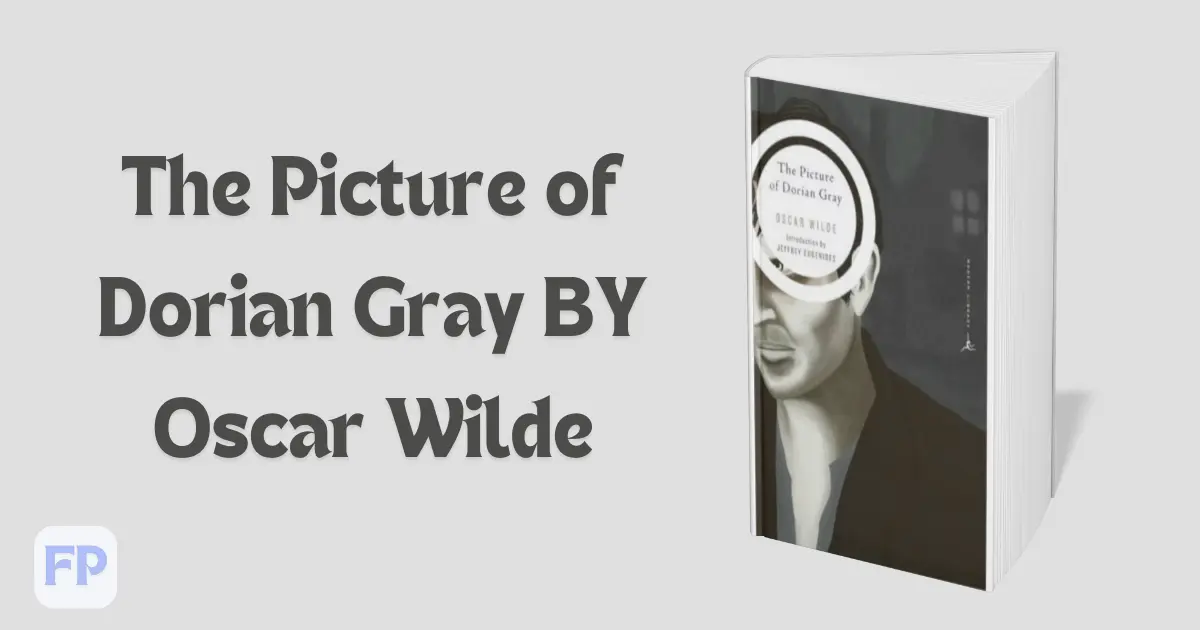
"The Picture of Dorian Gray" is the only novel written by Oscar Wilde, published in 1890. It tells the story of a beautiful young man named Dorian Gray, who becomes the subject of a full-length portrait by artist Basil Hallward. Under the influence of the hedonist Lord Henry Wotton, Dorian embraces a life of selfishness and sin, wishing that his portrait would bear the marks of age and vice so that he can remain eternally youthful.
Main Themes
Beauty and Art
At the heart of the novel is the exploration of beauty and art. Wilde raises questions about the nature of beauty, the role of art in society, and the relationship between life and art. Dorian Gray's eternal youth juxtaposes his life with his ever-aging portrait, which symbolizes the decay hidden beneath an unchanging facade.
Influence and Corruption
The theme of influence is personified in the character of Lord Henry, whose philosophies greatly impact Dorian's worldview and behavior. Dorian's transformation and moral decline underscore the destructive potential of external influences and the loss of innocence.
The Duality of Human Nature
Dorian Gray embodies the duality of the human soul—the constant struggle between outward appearance and inner reality. The portrait represents Dorian's inner corruption, hidden behind his eternal beauty. This duality raises questions about identity, the facets of personality, and the deceit inherent in societal appearances.
Consequences of Immorality
The novel serves as a cautionary tale about the consequences of living a life devoid of moral restraint. Dorian's actions lead to severe repercussions for himself and those around him, illustrating Wilde's critique of hedonism and moral decadence.
Key Points
The Creation of the Portrait
The novel begins with a conversation between Basil Hallward and Lord Henry Wotton in Basil's studio. Admiring Dorian's beauty, Basil confesses that Dorian has greatly influenced his art. When Dorian arrives, he becomes enchanted by Lord Henry’s thoughts on beauty and youth.
Key Scene: During Basil's portrait session, Lord Henry plants the seeds of hedonism and corrupts Dorian with ideas of pleasure as the highest pursuit. Dorian wishes that the painting will age instead of him, a wish that mysteriously comes true.
Dorian's Transformation
Under Lord Henry’s tutelage, Dorian spirals into a life of indulgence and hedonism, neglecting moral consequences. He becomes detached and selfish, causing the demise of those entangled in his life, like the innocent actress Sibyl Vane.
Key Scene: Dorian's cruel reaction to Sibyl's poor performance leads to her suicide, marking the beginning of his downward spiral. The portrait shows his first sign of cruelty.
The Portrait's Secret
As years pass, Dorian remains youthful, while his portrait grotesquely changes, reflecting his sins and moral decay. The contrast between his appearance and the painting heightens his paranoia and guilt.
Key Scene: Dorian hides the portrait in an old schoolroom and refrains from looking at it. It becomes a "visible symbol of conscience," a haunting reminder of his corruption.
The Climactic Unveiling
Basil confronts Dorian, questioning rumors of his debauchery. Cornered by Basil's morality, Dorian shows him the corrupted portrait. In a fit of rage and desperation, Dorian murders Basil. This act seals Dorian's fate, drawing him deeper into guilt and paranoia.
Key Scene: The murder exemplifies the ultimate corruption of Dorian’s soul, escalated by years of unchecked influence and desire.
Dorian's Downfall
Haunted by his crimes and the portrait's ever-increasing grotesqueness, Dorian seeks redemption but struggles with sincerity in his repentance. His paranoia grows as individuals connected to his sins meet tragic ends.
Key Scene: Dorian’s encounter with Sibyl’s brother, James Vane, who seeks revenge for his sister's death, symbolizes the reemergence of his past sins as inevitable consequences he can no longer escape.
The Inevitable End
The novel crescendos as Dorian attempts to destroy the portrait, ultimately succumbing to his own corrupted soul. In a symbolic gesture, he stabs the painting, resulting in his death—found aged and hideous, with the portrait restored to its original beauty.
Key Scene: Dorian's lifeless body is discovered beside the pure, unmarred portrait, underscoring the transformation and highlighting his inability to escape the consequences of his actions.
Conclusion
Oscar Wilde's "The Picture of Dorian Gray" combines elements of Gothic fiction with philosophical undertones, exploring themes of vanity, moral disintegration, and the dual nature of humanity. The novel provocatively challenges Victorian social norms and remains a compelling examination of the consequences of unchecked desires and the superficial pursuit of beauty. Through its vivid characters and incisive commentary, it continues to captivate readers with its cautionary tale about the perils of overindulgence and moral neglect.
Overall, "The Picture of Dorian Gray" serves not only as a reflection of Wilde's wit and literary prowess but also as an enduring narrative on the complex tensions between outward appearances and inner truths, resonating across ages with timeless relevance.