
Then We Came to the End by Joshua Ferris - Book Summary
Introduction
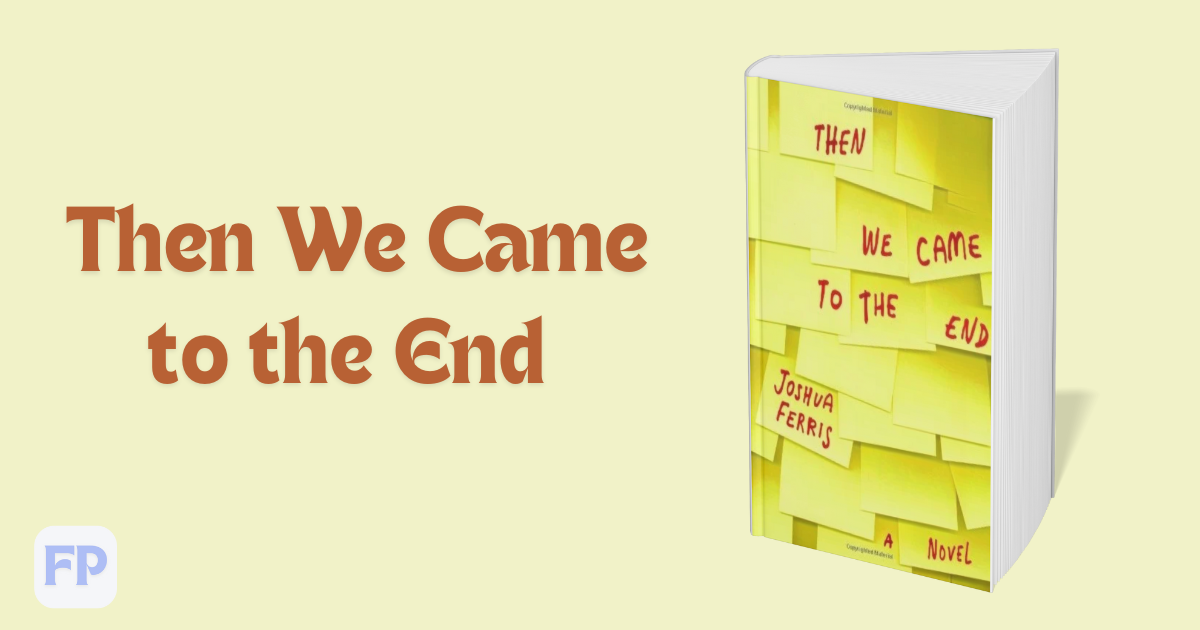
"Then We Came to the End" by Joshua Ferris offers readers a satirical dive into the world of a Chicago advertising agency experiencing a dramatic downturn. The novel, published in 2007, captures the nuances of modern workplace culture, highlighting both the humor and melancholy associated with corporate life. The narrative unfolds through the collective viewpoint of the office employees as they navigate upheaval, job insecurity, and their interpersonal relationships.
Main Themes
Corporate Culture
The novel paints a vivid picture of office dynamics and the peculiarities of workplace behavior. From the idiosyncrasies of employees to the all-too-common experience of office gossip, Ferris captures the microcosm of corporate life with wry humor and keen observation.
Identity and Purpose
Ferris delves into the theme of identity, exploring how our jobs often define our sense of self. The characters wrestle with their identities beyond their professional roles, especially as layoffs loom. This theme prompts readers to ponder the existential question: who are we without our jobs?
Resilience and Adaptability
In the face of adversity, the characters exhibit varying degrees of resilience and adaptability. The story underscores the human capacity to find humor and a sense of community even in the direst circumstances, suggesting a collective strength in shared hardships.
Plot Overview
Setting the Stage
The story is set in a Chicago advertising agency at the dawn of the 21st century, just as the dot-com bubble has burst. The atmosphere in the office is tense, with fear of layoffs pervading the air. Employees resort to humor and camaraderie as coping mechanisms, forming a tapestry of vivid characters and interactions.
Key Characters
- Tom Mota: Known for his fiery temper, Tom becomes increasingly unpredictable amid rumors of job cuts.
- Karen Woo: A detached and enigmatic character whose personal battle with breast cancer adds depth and emotional weight to the narrative.
- Lynn Mason: The emotionally detached boss, struggling with maintaining order and her battle with illness.
- Benny Shassburger: The heart of the team, Benny is known for his wit and wisdom, offering comfort in trying times.
Narrative Structure
The novel's unique narrative voice is one of its defining features. Told in the first-person plural, the narrative creates a sense of collective consciousness, immersing readers in the shared experiences of the office workers. This perspective effectively conveys the communal nature of the workplace experience and the universalities of corporate life.
Turning Points
- As the agency faces a series of layoffs, the narrative shifts to reveal the personal and professional turmoils of the employees.
- The hospitalization of Lynn Mason adds a poignant layer to the story, prompting introspection and reevaluation of priorities among the staff.
- Tom Mota's increasingly volatile behavior introduces tension and unpredictability, serving as a catalyst for change within the office.
Style and Literary Devices
Humor and Satire
Ferris employs humor and satire to explore the absurdities of corporate life. The novel brims with sharp wit, capturing the dichotomy between the trivial and the profound in the everyday lives of office workers.
First-Person Plural Narration
The use of first-person plural narration is a clever device that emphasizes the collective experiences of the characters. This narrative choice underscores the interconnectedness of the office staff and highlights the shared nature of their anxieties and triumphs.
Conclusion
"Then We Came to the End" is a compelling exploration of the intricacies of modern work life, resonating with anyone who has ever navigated office politics or faced the threat of unemployment. Joshua Ferris's deft use of humor and his insightful examination of human nature make the novel both entertaining and thought-provoking. By presenting a microcosm of corporate America, Ferris encourages readers to reflect on the larger questions of identity and purpose, leaving a lasting impact.
With its blend of humor, pathos, and astute observations about the workplace, "Then We Came to the End" remains a relevant and engaging read, offering insights that extend beyond its specific setting to capture the universal challenges and joys of the working world.