
Tolkien On Fairy-stories by J.R.R. Tolkien - Book Summary
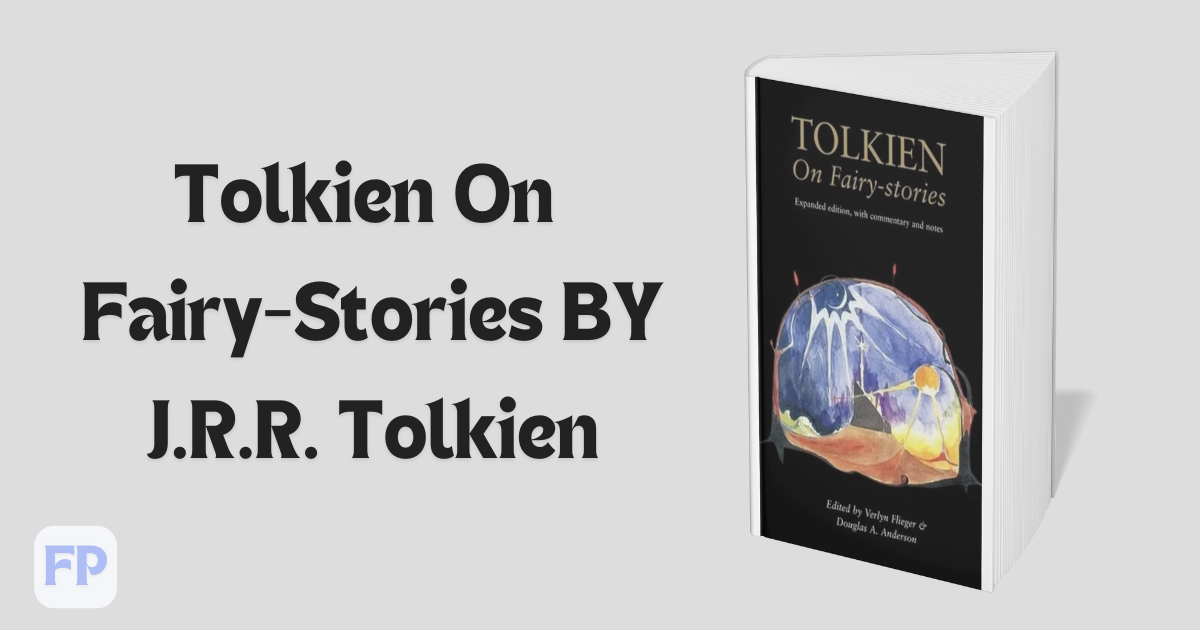
Introduction
J.R.R. Tolkien, the renowned author best known for his works "The Hobbit" and "The Lord of the Rings," delivered an influential essay titled "On Fairy-stories" which offers an insightful exploration into the realm of fairy tales and fantasy literature. Originally presented as a lecture in 1939 at the University of St. Andrews, this essay is a seminal piece that delves into the nature, origins, value, and functions of fairy stories, and it remains a significant work in understanding both Tolkien's own creative process and the broader literary landscape of fantasy.
Importance of Fairy Stories
Tolkien argues that fairy stories are not just mere entertainment for children, but they possess profound meaning and relevance for adults as well. He contends that these stories offer a "recovery"—giving adults the chance to rediscover a sense of wonder and appreciation for the world often forgotten in the monotony of daily life.
Main Themes
Definition and Nature of Fairy Stories
The essay begins by tackling the challenge of defining what exactly a fairy story is. Tolkien makes it clear that fairy stories should not be confused with tales about fairies. Rather, they encompass stories of Faërie—a realm full of enchantment, wonder, and magic. These stories often include interactions between humans and magical entities or worlds.
Origins and Development
Tolkien explores how fairy stories are deeply rooted in myth and legend, evolving over centuries. He dismisses the notion that these stories are merely "folk tales" for children, emphasizing their complex history and universal appeal. The essay underscores the cultural and oral traditions that have allowed fairy stories to flourish across different societies.
The Functions of Fairy Stories
Tolkien identifies four principal functions of fairy stories: Fantasy, Recovery, Escape, and Consolation.
-
Fantasy: This involves the creation of believable and consistent imaginary worlds, which Tolkien considers an essential quality of these tales. Fantasy allows for creative exploration beyond the confines of reality.
-
Recovery: According to Tolkien, fairy stories provide a fresh perspective, helping individuals see the mundane world with a renewed sense of clarity and wonder.
-
Escape: Contrary to the negative connotation of escapism, Tolkien defends the value of escape provided by fairy stories. They offer an escape from the harsh realities of life, allowing for moments of joy and freedom.
-
Consolation: One of the most important aspects is the eucatastrophe, a term coined by Tolkien to describe the sudden joyful turn in a story. This is the ultimate consolation, bringing hope even amid sorrow.
Key Points
Fantasy and Sub-creation
Tolkien delves into the concept of sub-creation, where authors of fairy stories act as "sub-creators" crafting secondary worlds. This process reflects humanity's innate desire to create and understand the world beyond what is perceived. For Tolkien, the art of crafting these worlds is an act of profound creativity and worth.
Importance of Language
Language plays a crucial role in building the worlds of fairy stories. Tolkien, a philologist by profession, argues that the power of the language used in these tales is vital to their success. It is through language that readers are transported to other worlds, and the sounds and meanings of words can evoke emotions and images that drive the narrative.
Critique of Modern Attitudes
In the essay, Tolkien critiques contemporary attitudes that dismiss fairy stories as lesser literature or mere children's stories. He challenges the perception that only realist literature has artistic merit, defending the imaginative richness and depth found in fairy tales as being equally valuable.
The Role of Myth
For Tolkien, fairy stories are intrinsically linked with myth. Myths often address fundamental truths about existence, morality, and the human condition. Tolkien argues that fairy stories, like myths, provide deeper truths and reflections on reality through their narrative and symbolic structure.
Conclusion
Though written many decades ago, "Tolkien On Fairy-stories" remains a powerful defense and exploration of the fantasy genre and its enduring appeal across ages. Tolkien brilliantly articulates the importance of imagination, wonder, and hope, arguing that fairy stories fulfill fundamental human needs. They are not merely a retreat from reality but rather offer profound insights into the human spirit, creativity, and the world itself.
Through his essay, Tolkien establishes himself not just as a master storyteller but also as a profound thinker who champions the timeless relevance and transformative power of fairy stories. His reflection on sub-creation and language intricacy persists as a guide for writers and readers alike, advocating for a deeper appreciation and understanding of fantasy literature.