
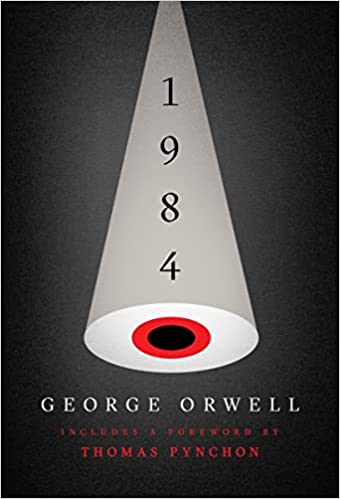
| Book name: | 1984 (2024) |
| Category: | Classics |
| Author: | George Orwell |
| Pages: | 368 pages |
| ISBN13: | 0452284236 |
| ISBN: | 0452284236 |
| Language: | English |
| Publication data: | July 1, 2022, 7 a.m. |
"1984" by George Orwell is a seminal piece of literature that stands as a dystopian masterpiece, resonating with readers throughout the decades since its publication in 1949. Set in a grim, totalitarian future where the world is divided into three perpetually warring states, the novel presents a chilling vision of a society stripped of freedom, truth, and individuality.
The story unfolds in Oceania, where the omnipresent Party, led by the mysterious Big Brother, exerts total control over every aspect of its citizens' lives. This control permeates all social, political, and personal dimensions, creating a pervasive atmosphere of surveillance and oppression. The protagonist, Winston Smith, works at the Ministry of Truth, where his job is to alter historical records to fit the Party's ever-changing narrative. Despite the Party’s constant watch, Winston begins to question the regime, harboring thoughts of rebellion and yearning for the truth.
The main themes of "1984" include the manipulation of truth and the nature of reality, the loss of individuality, and the mechanisms of totalitarian control. Orwell's exploration of these themes is profound and haunting, as he delves into the ways language can be a tool for social manipulation, evident in the novel's concept of Newspeak, a deliberately restrictive language created to eliminate personal thought.
Orwell used "1984" to warn against the dangers of oppressive political regimes and to explore ideas of power, identity, and freedom. The book underscores the terrifying potential of technology as a means of control, foreseeing an era of constant surveillance where thoughts themselves are policed. The concept of Doublethink—the ability to hold two contradictory beliefs simultaneously—is introduced as a cornerstone of maintaining the Party's power, highlighting the distortion of reality.
As readers follow Winston’s journey of rebellion against the Party’s oppressive power structure, "1984" invites contemplation on the value of independent thought and the dire consequences of losing personal autonomy. His relationship with Julia, a fellow Party member, signifies a glimmer of hope as they seek solace with each other while defying the Party's ban on individual relationships and personal allegiances.
The novel remains deeply impactful today, widely regarded for its profound insights into the workings of power and control within society. Its lexicon and ideas have pervaded popular culture, with terms such as “Big Brother,” “Orwellian,” and “thought police” becoming ingrained into the public's consciousness when discussing dystopian futures or government overreach. The book's cautionary tale continues to resonate, as readers are compelled to examine the parallels between the book's fictional world and contemporary political climates.
"1984" stands as a powerful reminder of the importance of vigilance against the encroachment of totalitarian ideologies and the imperative need to safeguard personal freedoms. Orwell’s narrative not only entertains but educates, serving as a prophetic reminder of the value of truth in the face of tyranny. The enduring relevance of "1984" solidifies its position as a cornerstone of modern literature, urging each generation to remain aware of the forces that shape society.