
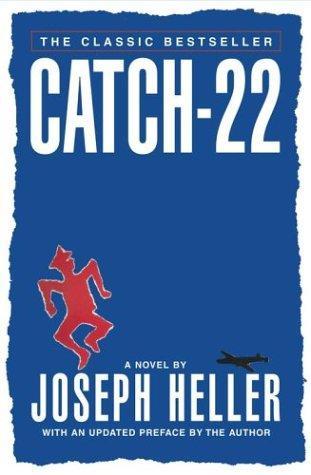
| Book name: | Catch-22 (2024) |
| Category: | Classics |
| Author: | Joseph Heller |
| Pages: | 453 pages |
| ISBN13: | 0684833395 |
| ISBN: | 0684833395 |
| Language: | English |
| Publication data: | Sept. 4, 2004, 7 a.m. |
Catch-22, a groundbreaking novel by Joseph Heller, is celebrated for its profound impact on 20th-century literature. The book is a masterful blend of dark humor and biting satire, critiquing the absurdity of war and highlighting the helplessness of individuals within vast bureaucracies. Set during World War II, the story primarily follows Captain John Yossarian, a U.S. Army Air Corps B-25 bombardier stationed on the Mediterranean island of Pianosa. The novel's title 'Catch-22' refers to a military regulation that exemplifies an illogical and paradoxical no-win situation, encapsulating the novel’s central theme of absurdity and futility.
The introduction of the novel immediately immerses readers into the chaotic and paradoxical world of Yossarian. The plot unfolds through a non-linear narrative structure, which effectively mirrors the confusion and disorientation of war. Yossarian's desperate attempts to maintain his sanity while fulfilling his required number of missions serve as the backbone of the story. His primary goal throughout the novel is to survive the war, an endeavor complicated by the infamous catch: a bureaucratic rule stating that airmen who are insane are not obliged to fly missions, but if they apply for a discharge on the grounds of insanity, their application demonstrates that they are sane and thus must continue flying. This circular logic is the essence of Catch-22, and it highlights Heller's criticism of the military and bureaucratic systems.
One of the main themes in Catch-22 is the absurdity of war. Through Heller's vivid and often exaggerated depictions of military life, he exposes the irrationality of war and the extreme measures individuals must take to survive. The novel’s sharp wit and dark humor underscore the senseless loss and existential dread experienced by soldiers. Yossarian's numerous attempts to preserve his own life, such as feigning illness, are both comical and tragic in the face of an indifferent military structure that views him as expendable.
The theme of bureaucratic incompetence and its dehumanizing effects is also prevalent. Heller paints a vivid picture of an operating system laden with contradictions, inefficiency, and red tape, where those in command are often absurdly detached from reality. Characters such as Colonel Cathcart, who is more concerned with his career advancement than the lives of his men, epitomize the hypocrisy and illogic inherent in military hierarchies. This institutional critique resonates with readers, stirring a deep reflection on the power dynamics that dictate our lives, making Catch-22 compelling and timeless.
Joseph Heller's Catch-22 is not simply a war novel; it is a profound commentary on the human condition. By focusing on the individual’s struggle against oppressive systems, Heller invites the reader to empathize with Yossarian's plight and reflect on the absurdities we face in our own lives. The novel's enduring relevance lies in its capacity to capture the frustrations and absurdities of modern existence, offering both laughter and critical insight into the challenges of maintaining one's humanity in a dehumanizing world. Heller's genius in crafting a narrative that is both satirical and poignant ensures that Catch-22 remains an essential read for anyone pondering the cost of war and the inescapable dilemmas of human life.