
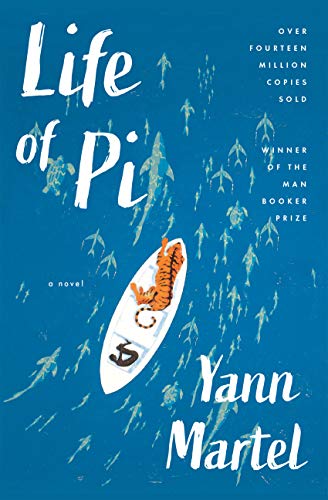
| Book name: | Life of Pi (2024) |
| Category: | Fiction |
| Author: | Yann Martel |
| Pages: | 460 pages |
| ISBN13: | 0770430074 |
| ISBN: | 0770430074 |
| Language: | English |
| Publication data: | Aug. 29, 2006, 7 a.m. |
Life of Pi by Yann Martel is a spellbinding tale that explores themes of survival, spirituality, and the power of storytelling. It is an extraordinary novel that transcends boundaries with its thought-provoking narrative and captivating imagery. The book intricately weaves together threads of adventure, philosophy, and existential inquiry, making it a profound piece of modern literature.
The story begins in Pondicherry, India, where we meet the protagonist, Piscine Molitor Patel, affectionately known as Pi. From a young age, Pi is fascinated by the diverse beliefs that surround him, adopting practices from Hinduism, Christianity, and Islam. This spiritual curiosity sets the stage for the profound introspective journey that forms the backbone of the novel. Through Pi’s eyes, Martel delves into deep spiritual questions, raising inquiries about the nature of faith and what it means to believe in something greater than oneself.
The novel takes a dramatic turn when Pi’s family decides to emigrate to Canada, selling their zoo in India. Tragedy strikes during the journey as their ship sinks in a violent storm, leaving Pi as the sole human survivor. Stranded in the vast Pacific Ocean, Pi finds himself on a lifeboat accompanied by a Bengal tiger named Richard Parker. This unlikely companionship lies at the heart of the narrative, transforming the survival tale into an exploration of the human-animal bond and the instinctual drive to survive against all odds.
The open sea becomes both ally and adversary, as Pi is pushed to the limits of his endurance. Over the course of his 227 days adrift, he faces innumerable challenges - from securing food and water to coexisting with a potentially deadly predator. Through each trial, Pi demonstrates resilience and resourcefulness, underscoring Martel's exploration of human perseverance and adaptability. The lifeboat, a microcosm of the world, becomes a stage where the best and worst of human nature play out, highlighting themes of survival, fear, hope, and the thirst for life.
Martel’s masterful use of language paints vivid scenes that resonate with both beauty and terror. His portrayal of the ocean is simultaneously a symbol of tranquility and chaos, reflecting the dualities that exist within life itself. The novel invites readers to contemplate the boundaries between reality and fiction, challenging them to question the narratives they construct in their own lives.
One of the key elements that make Life of Pi so compelling is its exploration of storytelling as a means of making sense of the world. Pi’s retelling of his survival story to officials, offering two versions with differing levels of fantastical elements, prompts readers to ponder the nature of truth. This narrative ambiguity allows the novel to transcend the traditional adventure story genre, becoming an allegorical exploration of faith, reality, and the importance of storytelling in shaping human experience.
At its core, Life of Pi is a celebration of the human spirit, a reminder of the tenacity and compassion that define humanity. It examines how belief and the power of narrative help individuals face life's unpredictability, offering a sense of structure and meaning amidst chaos. The novel invites readers on a journey of reflection, challenging them to consider their own beliefs and the stories they choose to tell about their lives.
In conclusion, Life of Pi by Yann Martel is a profoundly moving and intricately woven tapestry of adventure, belief, and existential musings. It captures the essence of what it means to be human, inviting readers to journey with Pi through physical and spiritual realms. Emphasizing themes of survival, faith, and storytelling, this remarkable novel continues to resonate deeply, leaving a lasting impact on those who embark on its pages.