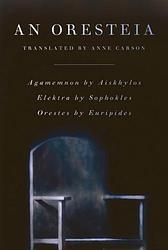
The play centers around Orestes, who, after obeying the god Apollo's command to avenge his father Agamemnon's murder by killing his mother Clytemnestra and her lover Aegisthus, is tormented by the Furies and rejected by his community. Facing execution, Orestes, along with his sister Electra and friend Pylades, concocts a desperate plan for survival that includes the potential murder of Helen, the wife of his absent brother Menelaus, and the taking of her daughter Hermione as a hostage. The play explores themes of justice, revenge, and the complexities of familial loyalty, culminating in a divine intervention that offers a resolution to Orestes' plight.
The 10781st greatest book of all time
Euripides (Greek: Ευριπίδης) (ca. 480 BC–406 BC) was a tragedian of classical Athens. Along with Aeschylus and Sophocles, he is one of the three ancient Greek tragedians for whom any plays have survived in full. Some ancient scholars attributed ninety-five plays to him, but the Suda says it was ninety-two at most. Of these, eighteen or nineteen have survived more or less complete (Rhesus is suspect). There are many fragments (some substantial) of most of his other plays. More of his plays ha…
Read more