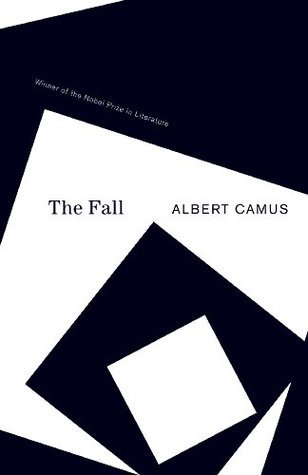
Jean-Baptiste Clamence is a soul in turmoil. Over several drunken nights in an Amsterdam bar, he regales a chance acquaintance with his story. From this successful former lawyer and seemingly model citizen a compelling, self-loathing catalogue of guilt, hypocrisy and alienation pours forth.
The Fall (French: La Chute) is a philosophical novel by Albert Camus. First published in 1956, it is his last complete work of fiction. The Fall explores themes of innocence, imprisonment, non-existence, and truth. In a eulogy to Albert Camus, existentialist philosopher Jean-Paul Sartre described the novel as "perhaps the most beautiful and the least understood" of Camus' books.
Works, such as the novels The Stranger (1942) and The Plague (1947), of Algerian-born French writer and philosopher Albert Camus concern the absurdity of the human condition; he won the Nobel Prize of 1957 for literature.
Origin and his experiences of this representative of non-metropolitan literature in the 1930s dominated influences in his thought and work.