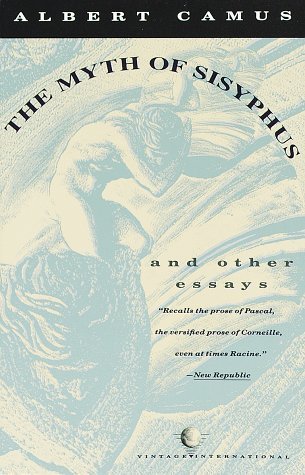
One of the most influential works of this century, this is a crucial exposition of existentialist thought. Influenced by works such as Don Juan, and the novels of Kafka, these essays begin with a meditation on suicide: the question of living or not living in an absurd universe devoid of order or meaning. With lyric eloquence, Camus posits a way out of despair, reaffirming the value of personal existence, and the possibility of life lived with dignity and authenticity.
Works, such as the novels The Stranger (1942) and The Plague (1947), of Algerian-born French writer and philosopher Albert Camus concern the absurdity of the human condition; he won the Nobel Prize of 1957 for literature.
Origin and his experiences of this representative of non-metropolitan literature in the 1930s dominated influences in his thought and work.