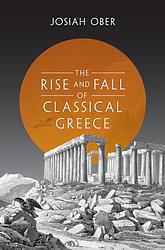
The book explores the remarkable development and eventual decline of Classical Greece, focusing on the period from the 5th to the 4th century BCE. It examines how a collection of small, competitive city-states managed to achieve unprecedented levels of economic prosperity, cultural achievement, and political innovation. The author attributes this success to a combination of factors, including the Greeks' emphasis on citizen participation, open markets, and the sharing of knowledge. The narrative also delves into the reasons behind the eventual fall of these city-states, highlighting internal conflicts and external pressures that led to their decline. Through a detailed analysis of historical, economic, and archaeological evidence, the book provides a comprehensive understanding of the dynamics that shaped Classical Greece's rise and fall.