
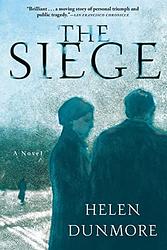
| Book name: | The Siege (2024) |
| Category: | Cold |
| Author: | Helen Dunmore |
| Language: | English |
| Publication data: | Jan. 1, 2001, midnight |
"The Siege" by Helen Dunmore is a gripping historical novel set against the harrowing backdrop of the World War II Siege of Leningrad. This compelling tale weaves together human resilience, survival, and the profound connection between individuals during one of history’s most challenging periods. With her characteristic depth and sensitivity, Helen Dunmore explores the intricate details of daily life under siege, reflecting the indomitable spirit of those who lived through it.
At the heart of the novel is the family story of Anna, a young woman who must navigate the overwhelming challenges posed by the harsh winter and blockaded city alongside her father and younger brother. As the conflict intensifies, so does Anna's responsibility to protect her loved ones, with food and warmth dwindling and death ever-present. Dunmore's evocative prose captures the palpable anxiety and fear running through the hearts of the residents, yet she simultaneously portrays moments of tenderness and hope that shine through the darkness.
A key theme within "The Siege" is the struggle for survival, both physical and emotional. Dunmore delves into the human capacity to endure extreme conditions, portraying the reality of starvation, the cold, and the constant threat of bombings. As resources become scarcer, the community illustrates how adversity unites people and evokes acts of heroism and sacrifice.
Throughout the novel, Dunmore masterfully highlights the impact of war on personal relationships. The complexity of these bonds is brought to life through the relationship between Anna and her father, as well as the care she provides for her brother. The fragility and preciousness of human connection under pressure serve as a reminder of the fundamental need for empathy and compassion during times of crisis.
The narrative is underscored by the harsh environment and the vivid depiction of nature’s unforgivingness, juxtaposed with human fragility. Winter in Leningrad is portrayed almost as a character itself, with its icy grip challenging Anna and her family at every turn. Dunmore’s use of descriptive language invites readers to feel the biting cold and experience the deprivation faced by the city’s inhabitants.
"The Siege" is not only a story of hardship and endurance but also an exploration of hope amid devastation. Dunmore's ability to craft such an authentic atmosphere, with a meticulous eye for historical accuracy, provides readers with an immersive experience into 1940s Leningrad. The book presents a poignant reflection on the cost of war, highlighting both the losses and the small victories of humanity.
The novel has garnered critical acclaim for its delicate portrayal of life under siege, capturing the complexity of human emotions under duress. Dunmore’s intricate character development brings a profound depth to the narrative, offering a multifaceted look at what it means to be human in the face of overwhelming adversity.
In summary, "The Siege" is a richly textured novel that offers a remarkable insight into the resilience of the human spirit. This poignant story stays with the reader, illustrating through its vivid storytelling and attention to detail the enduring lessons of courage, love, and perseverance during one of the most challenging moments in history. Helen Dunmore's work is a testament to the profound struggles and quiet victories of ordinary lives caught in the whirlwind of war.