
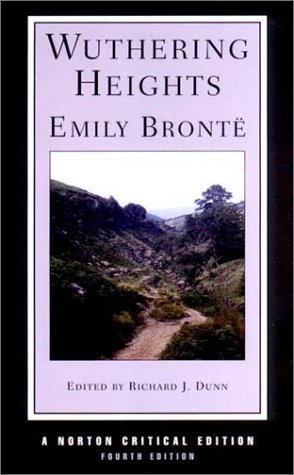
| Book name: | Wuthering Heights (2024) |
| Category: | Classics |
| Author: | Emily Brontë |
| Pages: | 464 pages |
| Language: | English |
| Publication data: | Jan. 1, 2002, 8 a.m. |
Wuthering Heights is a timeless classic novel written by the renowned English author Emily Brontë. First published in 1847, this masterpiece has captivated audiences with its complex characters, dark themes, and a unique narrative structure that continues to intrigue and resonate with readers worldwide.
The novel primarily revolves around the intense and tumultuous relationship between Heathcliff and Catherine Earnshaw, whose passionate love for one another defies social norms and transcends even the boundaries of life and death. Set against the backdrop of the bleak and brooding Yorkshire moors, the story unfolds through the eyes of multiple narrators, which adds layers of depth and mystery to the tale.
At its core, Wuthering Heights explores themes of love and revenge. Heathcliff, an orphan brought to Wuthering Heights by Mr. Earnshaw, grows up in a hostile environment, shaping him into a man consumed by vengeance and obsession. His love for Catherine, intense yet destructive, leads to a series of tragic events that affect both families residing at Wuthering Heights and Thrushcross Grange. The novel delves deeply into the nature of obsessive love and the repercussions of allowing hatred to guide one's actions.
An intriguing aspect of the book is its examination of the social class and hierarchy of Victorian England. Brontë deftly portrays the rigid class divides and prejudices that dictate the characters' lives. This is reflected in key moments where characters are torn between their desires and their societal obligations, showcasing the struggle between personal freedom and the restrictions imposed by external expectations.
Another powerful theme in Wuthering Heights is the influence of the natural environment on the characters and plot. The wild, untamed moors serve as a fitting metaphor for the equally wild emotions and moral dilemmas faced by the characters. Brontë's vivid descriptions paint a dense atmospheric picture, mirroring the internal chaos faced by Heathcliff and Catherine. The setting becomes a character in its own right, shaping and influencing the destinies of all who inhabit the region.
The novel's distinctive narrative technique is another compelling feature. It employs a frame narrative, where Mr. Lockwood, a tenant at Thrushcross Grange, learns the intricate history of Wuthering Heights from Nelly Dean, a housekeeper who has witnessed the unfolding drama firsthand. This nested storytelling approach adds complexity and allows readers to piece together the events and motivations behind the characters' actions from various perspectives.
Brontë's writing style in Wuthering Heights remains both poetic and intense, drawing readers into a world where emotions run deep, and the boundaries between love and hate blur. Her complex characterization of individuals like Heathcliff and Catherine, who are neither entirely heroic nor villainous, makes them relatable in their flaws and tangled motivations. Their love, marred by pride and prejudice, raises questions about the essence of true love and its power to destroy or redeem.
As a work of remarkable emotional depth and with its exploration of the human condition, Wuthering Heights stands as a profound literary achievement. It challenges readers to contemplate the nature of love, the impact of unresolved grief, and the possibility of redemption through forgiveness. Its legacy endures, influencing countless adaptations and inspiring further discussions about the thin line between passion and obsession.
In conclusion, Emily Brontë's Wuthering Heights remains a compelling read, not only for its richly woven narrative and unforgettable characters but also for its enduring examination of profound themes that explore both the best and worst of human nature. Its mesmerizing blend of romance, mystery, and the supernatural ensures that it continues to be a book that is cherished across generations. Whether you're reading it for the first time or revisiting its pages, the novel promises to leave a lasting impact, much like the haunting echoes of the moors where its tragic tale unfolds.