Menu

Last collection of books

1809, Ugo Foscolo
"On Sepulchres" is a seminal essay that delves into the cultural and emotional significance of tombs and the act of remembering the dead. The author passionately argues for the preservation of sepulchres as a means to honor and remember the contributions of illustrious individuals to their society a
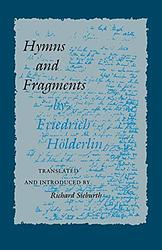
1984, Freidrich Hölderlin
This book is a collection of lyric poetry that delves into the profound depths of human experience, intertwining the personal with the mythic and the natural world. The poems reflect a deep engagement with the philosophical and aesthetic ideas of the time, exploring themes of beauty, transcendence,
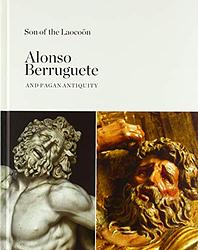
1766, Gotthold Ephraim Lessing
The book in question is a seminal work in the field of aesthetics and art criticism that explores the differences between painting and poetry. Through a detailed examination of the ancient sculpture of Laocoön and the related texts, the author argues that visual arts and literature operate under dif
1795, Friedrich Schiller
This philosophical treatise explores the dual nature of artistic creation, distinguishing between two types of poets: the 'naïve,' who are characterized by natural simplicity and an unconscious alignment with the harmony of the natural world, and the 'sentimental,' who are reflective, self-aware, an
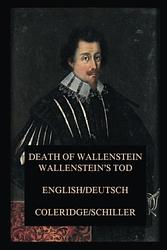
1799, Friedrich Schiller
The book is a dramatic trilogy that delves into the complex life and times of a prominent figure during the Thirty Years' War, a European conflict that spanned from 1618 to 1648. It explores the rise and fall of the titular character, a powerful and ambitious general who commands the Imperial forces
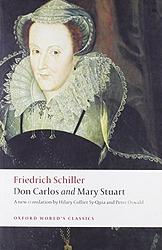
1800, Friedrich Schiller
The play delves into the tragic life of the titular character, a former queen who finds herself imprisoned and facing execution at the hands of her cousin, the reigning monarch of England. It explores themes of power, betrayal, and the struggle for sovereignty, as the protagonist confronts her impen
1781, Friedrich Schiller
"The Robbers" is a dramatic tale of conflict between two aristocratic brothers, Karl and Franz Moor. Karl, the elder, is deeply idealistic but becomes an outlaw after being falsely led to believe he has lost his father's love and his inheritance due to his brother's machinations. Meanwhile, Franz, t
1819, Johann Wolfgang von Goethe
The book in question is a collection of lyrical poems that reflects the author's fascination with Persian culture, inspired by the works of the Persian poet Hafez. It serves as a poetic dialogue that bridges Western and Eastern cultural traditions, exploring themes of love, wine, and the nuanced int
1790, Johann Wolfgang von Goethe
"Venetian Epigrams" is a collection of short, incisive poems that reflect the author's observations and experiences during a stay in Venice. Written with a blend of wit, irony, and lyrical beauty, the epigrams delve into themes such as love, sexuality, art, and the nature of society. The author's sh

1795, Johann Wolfgang von Goethe
"Roman Elegies" is a collection of twenty-four poems that celebrate the classical heritage of ancient Rome while reflecting on contemporary European society. The poems are notable for their eroticism and the personal nature of their content, as they delve into the author's own experiences and emotio
1797, Johann Wolfgang von Goethe
This classic narrative poem tells the story of two young people, Hermann and Dorothea, who find love amidst the turmoil of war. Set against the backdrop of the French Revolution's impact on Germany, the poem explores themes of duty, community, and the personal transformations that arise from politic
1800, Johann Wolfgang von Goethe
The book is a collection of dramatic works written in verse by the renowned German literary figure. These plays showcase the author's versatility and mastery in blending classical and romantic elements within the theatrical form. The content ranges from explorations of mythological themes to humanis
1816, Johann Wolfgang von Goethe
The book is a classic travel memoir that chronicles the author's journey through Italy from 1786 to 1788. During his travels, he explores the rich cultural heritage, art, and history of the country, seeking to understand the influence of classical antiquity and the Renaissance on contemporary Europe
1789, Johann Wolfgang von Goethe
This collection encapsulates the lyrical genius of one of Germany's most revered literary figures, offering a diverse selection of poetry that spans themes of love, nature, and the human condition. The poems reflect the author's profound insight into the complexities of the soul and the beauty of th
1788, Johann Wolfgang von Goethe
"Egmont" is a tragic play set in the 16th-century Spanish-occupied Netherlands, focusing on the life of a nobleman who becomes a hero among the Dutch people for his resistance against the oppressive Spanish rule. The protagonist's political and romantic involvements lead him into conflict with the S
1811, Johann Wolfgang von Goethe
This autobiographical work offers a rich and introspective account of the author's early life, intellectual development, and the cultural milieu of the late 18th and early 19th centuries. It delves into his formative experiences, relationships, and the evolution of his thoughts and literary career.
1969, Sébastien-Roch Nicolas de Chamfort
"Products of the Perfected Civilization" is a collection of aphorisms, maxims, and reflections that delve into the ironies and contradictions of society, morality, and human behavior. The work offers a critical and often cynical look at the nature of man, the flaws of aristocratic society, and the p
1734, Voltaire
The book is a series of essays written in the form of letters that offer a critical examination of various aspects of English society, including its politics, religion, and culture, during the early 18th century. The author, a prominent Enlightenment thinker, contrasts the relative freedom and toler
1583, Robert Garnier
"Juives" is a tragic play set in ancient Babylon that explores themes of power, faith, and suffering. The narrative centers around the plight of the Jewish people under the tyrannical rule of Nebuchadnezzar, who has destroyed Jerusalem and taken the Jews captive. The play focuses on the characters o
1524, Philippe de Commynes
"Mémoires" is a seminal work of French literature, providing a detailed account of late medieval European politics from the perspective of a diplomat and historian who served various masters, including the Dukes of Burgundy and the French king Louis XI. The author offers a rich narrative of the powe
1711, Joseph Addison
"The Spectator" is a collection of daily publications from the early 18th century that offers a rich commentary on the social, political, and cultural life of England during that period. Through a series of essays and fictional correspondences, the work provides a platform for discussing various top
1748, Tobias Smollett
This novel follows the tumultuous life of its eponymous protagonist, a young man of mixed fortune who embarks on a series of adventures across the seas and through various countries. Born to a gentlewoman and a disinherited gentleman, he faces the harsh realities of poverty and social injustice from
1753, Samuel Richardson
The novel revolves around the character of Sir Charles Grandison, an ideal English gentleman who navigates the complexities of social expectations and personal virtue. He is admired for his integrity, benevolence, and sense of honor, qualities that make him the object of affection for several women.
1722, Daniel Defoe
This book provides a detailed account of one man's experiences during the year 1665, when the bubonic plague ravaged London. Written in the form of a journal, it blends fiction with historical fact, offering a vivid portrayal of the city's atmosphere as the disease took hold. The narrative captures
1807, George Crabbe
The book is a collection of poetry by an 18th-century English poet known for his realistic portrayal of rural life and the hardships of the working class. The poems, often written in heroic couplets, delve into the stark realities of poverty, social injustice, and moral dilemmas. The poet's keen obs
1782, William Cowper
This collection showcases the lyrical and emotive poetry of a prominent 18th-century English poet, known for his influence on the Romantic poetry movement and his candid treatment of themes such as nature, spirituality, and mental anguish. The poet's work reflects his personal struggles with depress
1777, Richard Brinsley Sheridan
The play is a satirical depiction of the gossip and hypocrisy found in the high society of 18th century London. It centers around two brothers with contrasting personalities, one appearing to be a model of virtue and the other a dissolute rake, and the schemes of a circle of wealthy, idle gossipmong
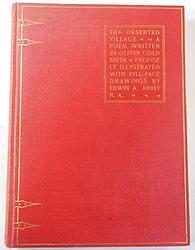
1770, Oliver Goldsmith
The poem laments the decline of rural life and the depopulation of the countryside, focusing on a fictional village that has fallen victim to the enclosures and social changes of the time. It nostalgically recalls the once-thriving community, with its school, its church, and its happy inhabitants, c
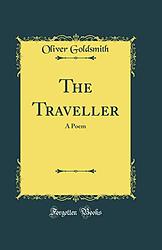
1764, Oliver Goldsmith
"The Traveller" is a poem that explores the observations and reflections of a speaker who journeys across various European landscapes, comparing the virtues and vices of different nations. Throughout his travels, the speaker examines the social and political characteristics of each country, ponderin
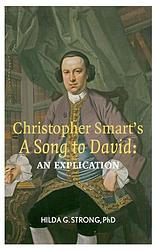
1763, Christopher Smart
"A Song to David" is a lyrical ode that celebrates the biblical King David, drawing parallels between his life and the poet's own experiences. The work is rich with religious fervor and vivid imagery, as it delves into themes of praise, devotion, and the spiritual connection between the divine and t
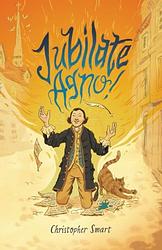
1939, Christopher Smart
"Jubilate Agno" is a long, idiosyncratic poem written in the form of a hymn. Composed during the author's confinement in an asylum, the work is a celebration of God's creation, blending the mundane with the divine. It is best known for its section dedicated to the author's cat, Jeoffry, which has be
1676, William Wycherley
"The Plain Dealer" is a Restoration comedy that revolves around the character of Manly, a sea captain and misanthrope who despises the hypocrisy and duplicity of society. After returning from sea, he finds himself entangled in a web of romantic and financial intrigues. Manly is in love with Olivia,
1675, William Wycherley
The play is a Restoration comedy from the 17th century that satirizes the sexual and marital mores of the time. It revolves around the exploits of Horner, a rakish gentleman who spreads a false rumor about his own impotence in order to seduce married women without arousing their husbands' suspicions
1706, George Farquhar
The play is a comedic look at the social and sexual rivalries in a small English town during wartime. It follows the charming Captain Plume and the scheming Sergeant Kite as they attempt to recruit soldiers for the British army while navigating the affections of the local women. The story unfolds wi
1707, George Farquhar
The play is a comedic tale that follows the escapades of two charming, dissolute young gentlemen, Aimwell and Archer, who travel through the English countryside engaging in various schemes to restore their fortunes. With their funds running low, they concoct a plan to marry wealthy ladies, but their
1746, William Collins
This collection showcases the lyrical and emotive poetry of an 18th-century English poet renowned for his odes and elegies. The poems reflect a wide range of themes, from the pastoral and picturesque to the sublime and melancholic, often characterized by a rich use of imagery and classical reference
1777, Maurice Morgann
This book presents a critical analysis of one of Shakespeare's most iconic characters, Sir John Falstaff, arguing against the prevailing view of Falstaff as a mere comic buffoon. Instead, the author posits that Falstaff embodies a complex mix of wit, intelligence, and strategic cowardice, making him
1757, Edmund Burke
This 18th-century treatise explores the nature and causes of two distinct aesthetic concepts: the sublime and the beautiful. The author argues that the sublime is rooted in experiences of awe, terror, and vastness, which can overwhelm the senses and provoke a feeling of the greatness beyond human co
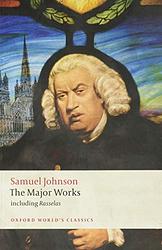
1787, Samuel Johnson
This comprehensive collection encapsulates the intellectual and literary prowess of a prominent 18th-century English writer, critic, and lexicographer. It brings together a diverse array of his essays, poems, sermons, and biographical sketches, including his most celebrated works such as his moralis
1791, James Boswell
The book is a detailed and candid collection of personal diaries, offering an intimate glimpse into the life and times of the 18th-century Scottish writer. It chronicles his experiences, observations, and reflections, ranging from his ambitious legal career and lively social life to his travels and
1728, John Gay
"The Beggar's Opera" is a satirical ballad opera that critiques the corruption of society through the lens of a criminal underworld in 18th-century London. The story revolves around the charming but deceitful highwayman, Macheath, who marries Polly Peachum, much to the dismay of her parents, who are
1711, Alexander Pope
This collection brings together the lyrical and satirical works of a prominent 18th-century English poet known for his brilliant use of heroic couplets and mastery of verse. The poems delve into themes of society, politics, and human nature, showcasing the poet's wit, moral insight, and technical pr
1676, George Etherege
The play is a Restoration comedy that satirizes the manners and affectations of a social class, particularly the courtiers and town gallants. Set in Restoration London, the plot revolves around the rakish protagonist, who is a notorious womanizer and his schemes to woo multiple women, including a vi
1701, Jonathan Swift
This collection brings together the poetic works of a renowned 18th-century satirist and essayist, known for his sharp wit and keen social commentary. The poems range from humorous and light-hearted verses to biting satires that critique the political and social issues of the author's time. The poet
1701, Jonathan Swift
This collection of writings by a prominent 18th-century satirist and essayist offers a diverse range of his non-poetic works, including political pamphlets, essays, and correspondence. The compilation showcases the author's sharp wit, profound disdain for contemporary society and politics, and his e
1704, Jonathan Swift
The book is a satirical work that critiques various aspects of religion, politics, and society through a narrative that ostensibly tells the story of three brothers, each representing a major branch of Christianity, who inherit coats from their father with instructions not to alter them. However, th
1695, William Congreve
"Love for Love" is a classic Restoration comedy that revolves around the chaotic love lives and financial schemes of its characters. The plot centers on Valentine, a financially strapped gentleman who feigns madness to avoid paying his debts and to secure his inheritance, and Angelica, a wealthy and
1700, William Congreve
"The Way of the World" is a Restoration comedy that explores the themes of love, marriage, and deceit in the high society of 18th century London. The plot centers around the complex relationship between Mirabell and Millamant, two lovers who must navigate a maze of social expectations and personal s
1682, Thomas Otway
"Venice Preserv'd" is a tragic play set in the politically tumultuous city of Venice, where conspiracy and betrayal intertwine with personal drama. The plot centers around Jaffeir, a noble Venetian who joins a group of conspirators aiming to overthrow the corrupt government after feeling betrayed by
1808, John Dryden
This compilation is a comprehensive collection of the literary output of a prominent 17th-century English poet, critic, and playwright. It encompasses a wide array of genres, including satirical verses, heroic couplets, and influential essays on dramatic theory. The author's work is notable for its
1663, Samuel Butler
The book in question is a satirical mock-heroic poem set during the English Civil War, which lampoons the Puritans and their attempts to impose strict religious practices on society. The narrative follows the titular character, a pompous, hypocritical knight who is more interested in appearing noble
1651, Jeremy Taylor
The book in question is a Christian devotional work that explores the theme of death and the proper attitudes and practices one should adopt in preparation for it. It serves as a guide for the dying and those attending to them, offering theological reflections, moral instruction, and prayers intende
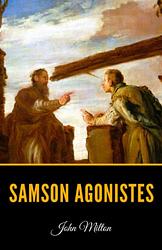
1671, John Milton
The work is a dramatic poem that follows the final days of Samson, a once-mighty biblical hero who has been captured and blinded by his enemies, the Philistines. In his state of physical and spiritual anguish, Samson grapples with his past actions, his relationship with God, and his desire for venge
1637, John Milton
This collection brings together some of the most notable early works of a seminal figure in English literature, showcasing his mastery of verse and profound engagement with themes of morality, virtue, and the human condition. "Lycidas" is an elegy that mourns the death of a friend while meditating o
1671, John Milton
This epic poem is a sequel to a much longer work and focuses on the biblical story of Jesus Christ's temptation by Satan in the wilderness. Over the course of four books, the narrative explores the intellectual and spiritual battle between the Son of God and the devil, who attempts to seduce him wit
1653, Izaak Walton
This classic piece of literature is a detailed guide to the art and philosophy of fishing, blending practical advice on angling with musings on the beauty of nature and the rhythm of the water. Written in a dialogue format, it presents an in-depth exploration of the techniques for catching and enjoy
1633, Philip Massinger
This play is a Jacobean era drama that centers on the themes of vengeance, social justice, and the corrupting power of greed. The story follows the downfall of a villainous usurer who exploits the debts of the nobility to gain power and wealth. The protagonist, a gentleman who has been wronged by th
1607, Cyril Tourneur
"The Revenger's Tragedy" is a dark and satirical Jacobean play that centers around a protagonist seeking vengeance for the death of his betrothed, who was poisoned by a corrupt and lascivious Duke. The protagonist, disguised and fueled by rage, navigates a court filled with depravity, plotting the d
1604, John Marston
"The Malcontent" is a Jacobean-era tragicomedy that delves into themes of political intrigue, revenge, and moral corruption within a court setting. The play centers around the character Malevole, the disguised and deposed Duke Altofronto, who maneuvers through a web of deceit as he seeks to expose t
1633, John Ford
The play is a tragic tale set in Parma, Italy, centered around the forbidden love between Giovanni and his sister Annabella. Despite societal taboos and the grave moral implications, the siblings embark on an incestuous relationship, which leads to Annabella's pregnancy. As the story unfolds, their