Menu

Last collection of books

1300, Iran
"The Tootinameh; Or, Tales of a Parrot" is a collection of traditional stories from India and Iran, told from the perspective of a parrot. The parrot tells tales to a young woman to keep her from straying while her husband is away, weaving narratives of love, honor, and morality. The book is a rich
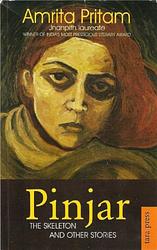
1950, Amrita Pritam
"The Skeleton" is a poignant tale of a woman named Chandi who, in her pursuit of love, ends up becoming a prostitute. The narrative explores her struggle to maintain her dignity and self-respect in a society that looks down upon her profession. The book delves into themes of love, betrayal, and soci
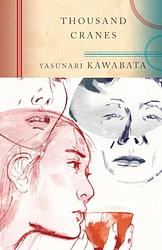
1952, Yasunari Kawabata
"Thousand Cranes" is a story set in post-war Japan, revolving around the life of a young man who is entangled in a complex relationship with three women. These women are linked to his deceased father and a shared tea ceremony set, symbolizing the cultural and generational tensions that exist. The na
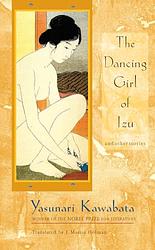
1926, Yasunari Kawabata
"The Dancing Girl of Izu and Other Stories" is a collection of short narratives that explore the intricacies of human relationships, set against the backdrop of Japan's cultural and natural landscapes. The titular story follows a young student who becomes infatuated with a traveling dancer he meets
1975, Xi Xi
"My City: A Hong Kong Story" is a compelling narrative that provides an intimate exploration of Hong Kong through the author's eyes. The author weaves a rich tapestry of the city's unique culture, history, and identity, drawing on personal experiences, observations, and a deep love for the city. The
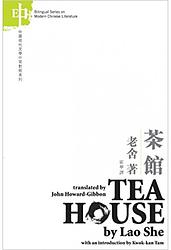
1957, Lao She
"Teahouse" is a historical drama that explores 50 years of Chinese history (1898-1948) through the microcosm of a Beijing teahouse. The narrative follows the lives of the teahouse owner and his customers, reflecting the social changes, political turmoil, and cultural shifts of the time. The story pr
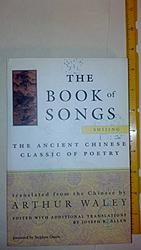
2024, China
"The Book of Songs" is a collection of ancient Chinese poetry, providing a rich cultural and historical insight into early Chinese society. The anthology includes various types of poems, such as folk songs, hymns, and courtly songs, reflecting the life, customs, and beliefs of different social class
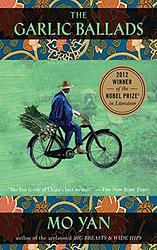
1988, Yan Mo
The novel is a harsh critique of the Chinese government's agricultural policy. Set in 1980s China, it tells the story of the farmers of Paradise County, who are encouraged by the government to plant garlic, only to find that the government can't or won't buy their crops, leading to violent protests.
1835, Elias Lönnrot
"The Kalevala" is an epic poem that compiles Finnish and Karelian folklore into a cohesive narrative. It is centered around the hero Väinämöinen, a shamanistic figure with magical powers, and his adventures with other characters such as the blacksmith Ilmarinen and the reckless Lemminkäinen. The boo
1951, Heinrich Böll
This novel is a collection of interconnected short stories set during World War II, providing a vivid portrayal of the human costs of war. The narrative follows various characters including soldiers, civilians, and victims of war, each offering different perspectives on the realities of war. It expl
1938, Johan Huizinga
"Homo Ludens: A Study of the Play-Element in Culture" is a comprehensive exploration of the significance of play in human culture. The author argues that play is not just a childhood activity but a crucial component of societal development and cultural evolution. He delves into various aspects of cu
1975, Vassily Aksyonov
"The Burn: A Novel in Three Books : (late Sixties--early Seventies)" is a historical novel that explores the cultural and political landscape of the Soviet Union during the late 1960s and early 1970s. The book follows a group of intellectuals, artists, and dissidents who are striving to preserve the
1964, Andrey Voznesensky
"Antiworlds" is a collection of poetry that provides a glimpse into the Soviet Union during the Cold War era. The poems are characterized by their avant-garde style, exploring themes of love, politics, and the human condition. The book includes the author's reflections on his travels around the worl
1971, Aleksandr Solzhenitsyn
"August 1914" is a historical novel set during the early days of World War I, focusing on the disastrous Battle of Tannenberg on the Eastern Front. The book provides a detailed portrayal of the Russian army's defeat, largely due to incompetent leadership and lack of communication. The narrative also
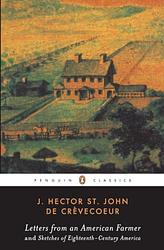
1782, J. Crevecoeur
"Letters from an American Farmer" is a series of twelve letters written by a fictional American farmer in Pennsylvania to a gentleman in England. The letters depict life in the newly formed, rapidly evolving America from the perspective of an average farmer, discussing topics such as the natural lan
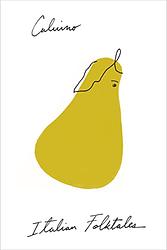
1956, Italo Calvino
This book is a comprehensive collection of 200 traditional Italian folktales, meticulously gathered from different regions of Italy. The stories range from humor to horror, from fairy tales to moral lessons, from whimsical to deeply symbolic, showcasing the rich cultural heritage of Italy. These tal
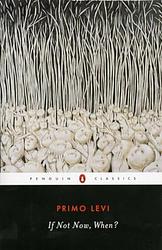
1982, Primo Levi
This novel follows a band of Jewish partisans behind German lines during World War II. They are a diverse group from different countries and social backgrounds, all brought together by the common goal of sabotaging the Nazi war effort and surviving the Holocaust. The narrative explores their various
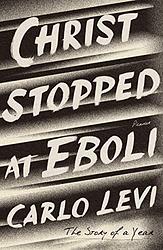
1945, Carlo Levi
The book is a memoir about the author's year of exile in a remote region of southern Italy during the fascist regime. It depicts the harsh living conditions, poverty, and backwardness of the area, where the peasants' lives are ruled by superstition and tradition. Despite the difficulties, the author
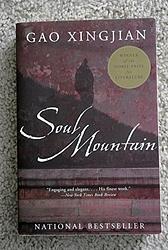
1990, Xingjian Gao
The novel follows a protagonist who embarks on a journey to the remote mountains of Southwest China after being misdiagnosed with lung cancer. Along the way, he encounters a variety of characters and experiences that lead him to self-discovery and a reconnection with nature. The narrative is filled
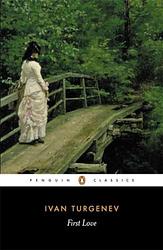
1860, Ivan Turgenev
This classic Russian novel explores the intense and passionate first love of a 16-year-old boy named Vladimir. While staying at his family's country estate, he becomes infatuated with a 21-year-old princess named Zinaida. Despite her engagement to another man, Vladimir's youthful ardor and naivety l
1972, Gonzalo Torrente Ballester
"La Saga/ Fuga de J. B./ The Saga/ Escape of J.B." is a complex narrative that explores the themes of reality and fiction, and their intersection. The story revolves around a mysterious character, J.B., who escapes from a novel into the real world. As he navigates this new realm, the boundaries betw
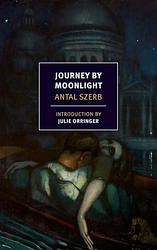
1937, Antal Szerb
"Journey by Moonlight" tells the story of a newlywed Hungarian couple, Mihály and Erzsi, who honeymoon in Italy. Mihály, however, is haunted by his past and becomes increasingly obsessed with his adolescent years, his old friends, and a mysterious brother and sister. This results in him abandoning E
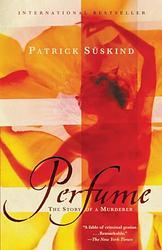
1985, Patrick Süskind
Set in 18th-century France, this novel tells the story of Jean-Baptiste Grenouille, a man born with an extraordinary sense of smell but no personal scent of his own. He becomes an apprentice to a prominent perfumer and learns to create the world's most intoxicating perfumes. However, his obsession w
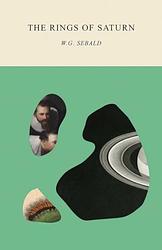
1995, W. G. Sebald
"The Rings of Saturn" is a richly detailed travelogue that follows the narrator's journey along the coast of Suffolk, England. The narrative weaves together history, literature, and personal anecdotes, exploring topics as diverse as the decline of the herring industry, the horrors of colonialism in
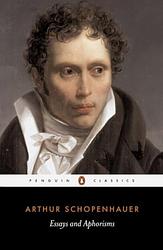
1851, Arthur Schopenhauer
This book is a collection of philosophical essays and aphorisms that delve into an array of topics including morality, religion, and philosophy. The author presents a pessimistic worldview, arguing that suffering is an inherent part of human existence. He discusses the nature of freedom, the importa
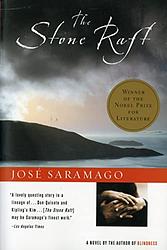
1986, José Saramago
In this surreal exploration, the Iberian Peninsula breaks off from the rest of Europe and begins to drift across the Atlantic Ocean. As the governments and international community scramble to understand and respond to the phenomenon, five disparate individuals find themselves drawn together on a jou
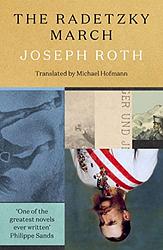
1932, Joseph Roth
"The Radetzky March" is a historical novel that explores the decline and fall of the Austro-Hungarian Empire through the experiences of the Trotta family, across three generations. The narrative begins with Lieutenant Trotta, who saves the life of the Emperor during the Battle of Solferino, and foll
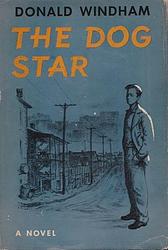
2023, Agneta Pleijel
"The Dog Star" is a haunting novel that explores the complexities of family relationships and the pain of growing up. Set in the mid-20th century, the story follows a young girl as she navigates through her difficult childhood in a dysfunctional family. As she grows older, she begins to question the
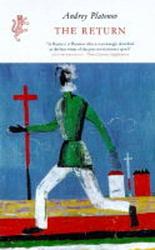
1946, Andrey Platonov
"The Return and Other Stories" is a collection of short narratives revolving around the theme of human struggle and resilience in the face of oppressive political regimes and harsh living conditions. The stories, set against the backdrop of Soviet Russia, explore the complexities of human nature, th
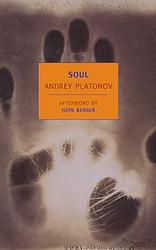
1999, Andrey Platonov
"Soul and Other Stories" is a collection of short stories that delve into the human condition and the struggle for identity in a world filled with political and social upheaval. The stories are set in a variety of contexts, from the harsh landscapes of Central Asia to the chaos of the Russian Revolu
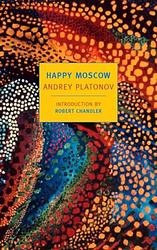
1991, Andrey Platonov
"Happy Moscow" is a satirical novel set in the Soviet Union during the height of Stalinist rule, following the life of a young woman, Moscow Chestnova, who is named after the capital city. Despite the harsh realities of life under an authoritarian regime, she maintains a positive and optimistic outl
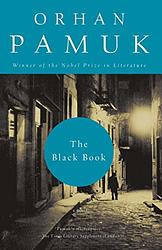
1990, Orhan Pamuk
The novel focuses on a man searching for his wife in Istanbul, who disappeared without a trace. In his search, he discovers a secret, surreal world in the city and starts to understand his wife's involvement in political activism. The narrative is interwoven with stories from a column written by his
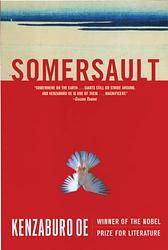
1999, Kenzaburō Ōe
The novel explores the aftermath of a failed doomsday cult in Japan, led by two men who had prophesied an apocalypse that never occurred. After their prophecy fails, they attempt to disband the cult but struggle as their followers resist and violence ensues. The leaders try to rebuild their lives am
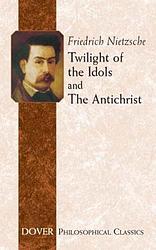
1888, Friedrich Nietzsche
"The Twilight of the Idols and The Antichrist" is a philosophical work that critiques the moral and religious values of Western society. The author argues that these values, particularly those of Christianity, are not only false but harmful to society, as they suppress human instincts and hinder hum
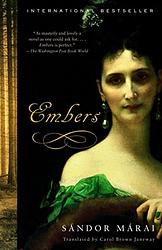
1942, Sandor Marai
"Embers" is a novel about two old friends who reunite after being apart for 41 years. The story takes place in a secluded castle in the Carpathian Mountains, where the two men confront each other about a long-kept secret that has kept them apart. The narrative delves into themes of friendship, love,
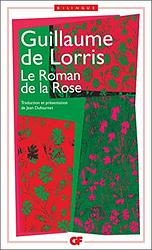
1230, Guillaume (de Lorris)
"Le Roman de la Rose" is a medieval French poem styled as an allegorical dream vision. The narrative focuses on a courtier who dreams of a beautiful rose within a walled garden, representing his romantic pursuit of a lady. The poem explores themes of love, desire, and courtly manners, and is imbued
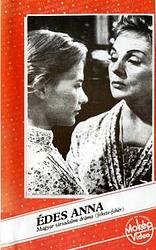
1926, Dezső Kosztolányi
"Édes Anna" is a novel that revolves around the life of a young servant girl, Anna, who works for a bourgeois family in early 20th century Hungary. The narrative explores Anna's experiences of exploitation, abuse, and societal oppression. As she navigates her way through life, her innocence and naiv
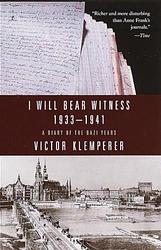
1995, Victor Klemperer
"I Will Bear Witness" is a chilling personal account of life in Nazi Germany from 1933-1941. The author, a Jewish professor, meticulously details the daily life under Hitler's regime, capturing the fear, oppression, and constant threat that Jews faced. The diary serves as a powerful testament to the
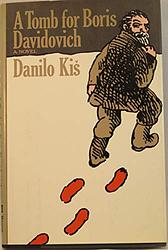
1976, Danilo Kiš
"A Tomb for Boris Davidovich" is a collection of seven short stories exploring the nature of political and personal identity, primarily in Eastern Europe during the 20th century. The stories are interconnected, each focusing on a different character who is caught up in the political turmoil of the t
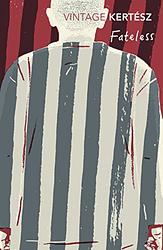
1975, Imre Kertész
"Fateless" is a harrowing account of a Hungarian Jewish boy's experiences in Nazi concentration camps during World War II. The protagonist is sent to Auschwitz, then Buchenwald, and finally to a factory in Zeitz, enduring brutal conditions and witnessing unimaginable horrors. Despite his experiences
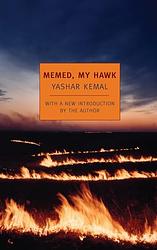
1955, Yashar Kemal
"Memed, My Hawk" is a novel set in the harsh and lawless rural Turkey of the 1920s. It follows the story of a young boy, Memed, who becomes an outlaw and a local hero after standing up to the corrupt authorities and feudal landlords who oppress his village. The novel explores themes of love, revenge
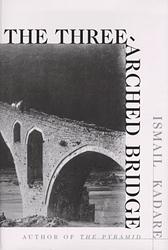
1978, Ismail Kadare
In this novel, set in the 14th century, a small Albanian village is disrupted by the construction of a stone bridge across a river. The bridge is said to be cursed, with local legend claiming that the first to cross it will be claimed by the devil. The narrator, a local monk, chronicles the bridge's
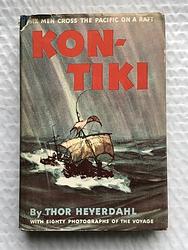
1948, Thor Heyerdahl
The book is a thrilling account of a daring and adventurous expedition across the Pacific Ocean on a balsa wood raft named Kon-Tiki. The journey, led by a Norwegian explorer, is an attempt to prove that South Americans could have settled Polynesia in pre-Columbian times. The narrative is filled with
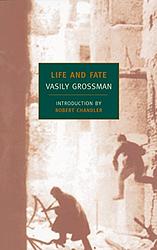
1980, Vasily Grossman
"Life and Fate" is a sweeping epic that explores the human condition during the Siege of Stalingrad in World War II. The novel delves into the lives of a wide range of characters, from soldiers and scientists to children and victims of the Holocaust, providing a stark and unflinching portrayal of th
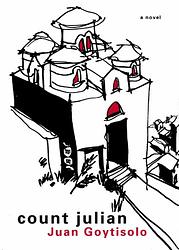
1970, Juan Goytisolo
"Count Julian" is a novel that explores the themes of betrayal, revenge, and cultural identity. The protagonist, an exiled Spaniard, reflects on the history of his homeland, Spain, and its past conquests and losses. He identifies with Count Julian, a historical figure who invited the Moors to invade
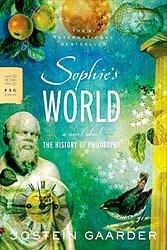
1991, Jostein Gaarder
"Sophie's World" is a unique and intriguing novel that intertwines the narrative of a young girl named Sophie with a comprehensive history of Western philosophy. Sophie begins receiving mysterious letters from an unknown philosopher and gradually becomes engrossed in the world of philosophy. The boo
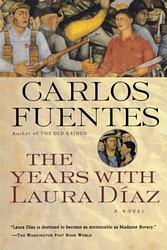
1999, Carlos Fuentes
"The Years with Laura Diaz" is a historical novel that centers around the life of a woman named Laura Diaz, a member of the Mexican upper class. The book explores the political and social changes in Mexico throughout the 20th century, as seen through Laura's eyes. Her journey includes a loveless mar
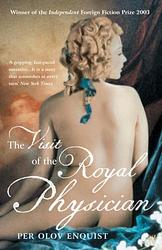
1999, Per Olov Enquist
The novel follows Johann Friedrich Struensee, a German doctor who becomes the personal physician to the mentally ill King of Denmark in the 18th century. Struensee uses his influence to enact Enlightenment-era reforms, but his affair with the Queen and his growing political power lead to his downfal
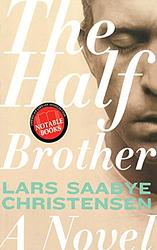
2001, Lars Saabye Christensen
"The Half Brother" is a compelling narrative that follows the life of a young man named Barnum Nilsen. Born into a Norwegian family with a mysterious past, Barnum navigates through life with a half-brother, Fred, who is both his best friend and his rival. As Barnum grows older, he becomes a successf
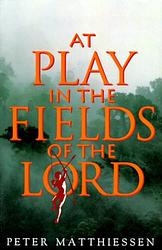
1965, Peter Matthiessen
This novel is a deep exploration of clashes between cultures, religions and personal desires, set in the South American jungle. The story focuses on two North American adventurers who are hired to bomb a remote missionary outpost, a zealous evangelical minister trying to convert a tribe of Amazonian
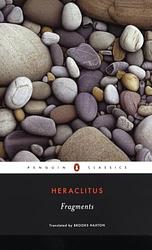
2024, Heraclitus
"Fragments" is a collection of philosophical musings and theories from an ancient Greek philosopher. The book explores a wide array of topics, including the nature of the universe, the human mind, and the relationship between the two. Often cryptic and paradoxical, the author's thoughts challenge tr
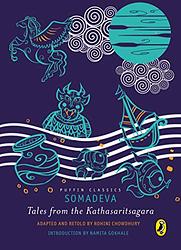
1070, Somadeva
"Tales from the Kathasaritsagara" is a collection of ancient Indian stories written in Sanskrit. The book is a compilation of legends, folktales, and myths, including tales of gods, goddesses, kings, queens, and commoners, as well as animals and supernatural beings. The stories are filled with wit,

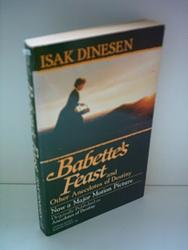
1958, Isak Dinesen
"Anecdotes of Destiny" is a collection of five short stories, each with a unique exploration of human nature, destiny, and the complexities of life. The tales range from a woman who must choose between three suitors, to a young man who gambles his fortune on a single pearl, to a couple who make a pa
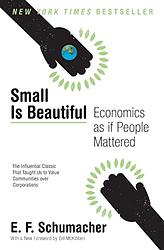
1973, E. F. Schumacher
This book is a collection of essays that challenge the established economic paradigm, arguing for a shift towards smaller, more sustainable systems. The author criticizes conventional capitalism for its focus on profit and growth, suggesting instead that economies should prioritize human well-being
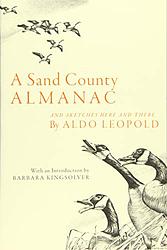
1949, Aldo Leopold
This book is a compilation of nature-related essays that highlight the author's experiences and observations as a conservationist. The author provides a thoughtful and eloquent reflection on the relationship between land and people, emphasizing the importance of conservation and sustainability. Thro
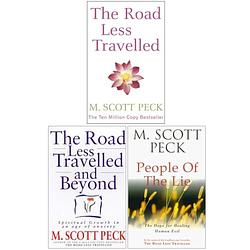
1978, M. Scott Peck
This self-help book explores the concept that life is difficult and filled with problems, but we can overcome these issues through discipline, love, and spiritual growth. It encourages readers to confront their personal problems head-on, rather than avoiding them, and to accept responsibility for th
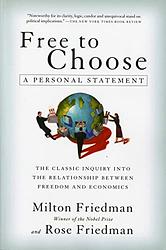
1980, Rose Friedman
This book is an influential work promoting the principles of economic and political freedom. The authors argue that individual freedom is directly linked to economic freedom, and they advocate for less government intervention in the economy. They explore topics like inflation, education, and consume
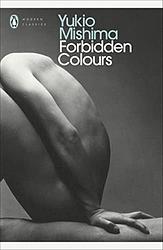
1951, Yukio Mishima
"Forbidden Colours" is a deeply introspective novel that explores themes of beauty, youth, old age, love, and betrayal, set against the backdrop of post-war Japan. The story follows a young, beautiful man who is manipulated by an elderly writer to seek revenge on women. The young man's beauty become
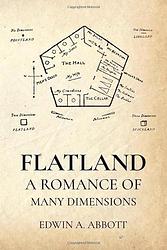
1884, Edwin A. Abbott
This novel is a satirical critique of Victorian society told through a two-dimensional world known as Flatland, inhabited by geometric figures. The protagonist, a square, guides the reader through his society, explaining its rigid class structure, before being visited by a three-dimensional sphere.
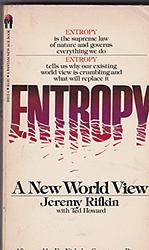
1980, Ted Howard
"Entropy" is a thought-provoking exploration of the second law of thermodynamics, also known as entropy, and its implications for society, economy, and the environment. The authors argue that our current economic systems and society are unsustainable due to the continuous consumption of energy, lead