Menu

Last collection of books

1928, Esther Forbes
Set in 17th century New England, this historical novel tells the story of a young girl who, after surviving a shipwreck that killed her parents, is adopted by a wealthy couple. However, the girl is soon accused of witchcraft due to her strange behaviors and the mysterious events that seem to follow
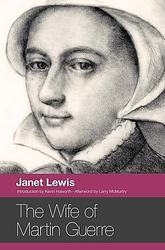
1941, Janet Lewis
Set in 16th century France, the book tells the story of Bertrande who is married to Martin Guerre, a young man who leaves his family and property behind to avoid his father's wrath. After eight years, a man returns claiming to be Martin, but Bertrande begins to doubt his identity. Despite the commun
1991, Roddy Doyle
The Van is a humorous and touching tale of two friends in Dublin, Ireland, who decide to start a fish and chips van business during the 1990 World Cup. The book explores their trials and tribulations as they navigate the unpredictable world of small business, all against the backdrop of Ireland's fo
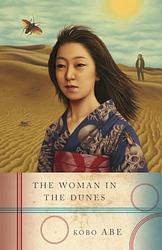
1962, Kobo Abé
This novel tells the story of a schoolteacher and amateur entomologist who travels to a remote seaside village to collect insects. He is tricked into staying the night in a house at the bottom of a sand pit with a mysterious woman, who spends her days shoveling back the ever-encroaching sand. As the
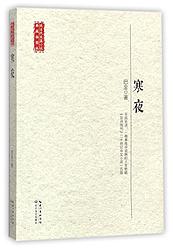
1947, Ba Jin
"Cold Nights" is a poignant love story set in the backdrop of China's turbulent political climate during the 1940s. The narrative follows the protagonist, Wan Da, as he navigates through the hardships of life, love, illness, and death. As his wife, Zhenzhen, falls ill with tuberculosis, Wan Da's str
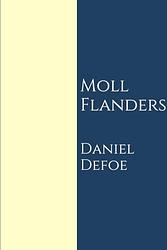
1722, Daniel Defoe
"Moll Flanders" is a novel about the life of a woman in the 17th century who is born in Newgate Prison to a mother who is a convict. Moll is raised by gypsies until she is old enough to take care of herself. She becomes a servant, marries multiple times, becomes a thief, and eventually ends up in Ne
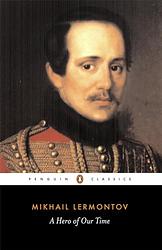
1840, Mikhail Lermontov
"A Hero of Our Time" is a novel that follows the life of a young, charismatic, yet cynical and emotionally detached Russian officer, who serves in the Caucasus region. The story is told through a series of narratives, including the officer's own journal entries, revealing his manipulative and self-d
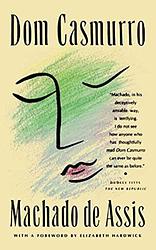
1899, Machado de Assis
The novel is a darkly comic, yet tragic exploration of love, betrayal, and jealousy, told through the unreliable narration of the protagonist, a middle-aged man who believes his wife has cheated on him with his best friend. The narrative is filled with ambiguity and uncertainty, forcing readers to q
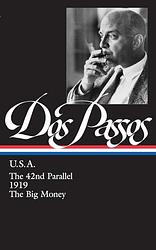
1936, John Dos Passos
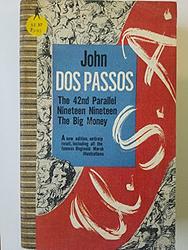
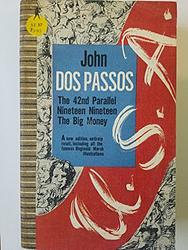
"The Big Money" is the final installment in a trilogy that explores the social and political landscape of the United States during the first three decades of the 20th century. The narrative is a blend of fictional characters and real historical figures, presenting a critical view of capitalism and i
1932, John Dos Passos
"Nineteen Nineteen" is the second novel in a trilogy that explores the social and political changes in the United States during the early 20th century. It uses a unique narrative style that blends traditional storytelling with newspaper clippings, song lyrics, and biographies of historical figures.
1930, John Dos Passos
"The 42nd Parallel" is a novel that explores the lives of several characters in the early 20th century United States. The narrative intertwines the stories of five protagonists as they navigate through various historical events and social changes such as labor strikes, World War I, and the Mexican R
1901, Luis Cernuda
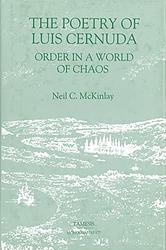
This book is a collection of the poetic works of a renowned Spanish poet, exploring themes such as love, solitude, and the pursuit of ideal beauty. The poems are marked by the author's personal experiences, his deep longing for freedom, and his feelings of being an outsider. The author's style is ch
1962, Giorgio Bassani
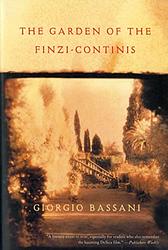
Set in Ferrara, Italy during the late 1930s, the book tells the story of the Finzi-Continis, a wealthy, aristocratic Jewish family who live in a secluded mansion with a beautiful, walled garden. The narrator, a young middle-class Jew, becomes infatuated with the family's daughter, Micoleta. As the F
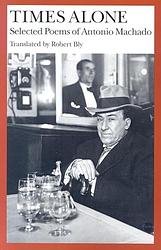
1907, Antonio Machado
This book is a collection of poems by a renowned Spanish poet, reflecting his profound thoughts on life, love, death, and nature. The poet's work is deeply philosophical and introspective, often drawing on his personal experiences and observations of the world around him. His poetry is known for its
1987, Julián Olivares
"Sonnets" is a collection of beautifully crafted poems that explore a range of themes including love, loss, and the human experience. The author's profound understanding of language and the intricacies of emotions is evident in each sonnet, making the collection a deeply moving and thought-provoking
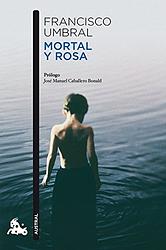
1975, Francisco Umbral
"Mortal y Rosa" is a heartbreaking and poignant narrative about a father's grieving process after the loss of his young son. The novel is a profound exploration of death, love, and loss, with the author using beautiful, poetic language to express his deep sorrow and pain. It is not just a lamentatio
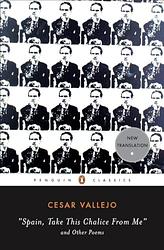
1939, César Vallejo
"Spain, Take This Chalice from Me" is a poignant collection of poetry that reflects on the Spanish Civil War's brutal impact. The author, deeply moved by the conflict, uses powerful imagery and emotive language to express the heartbreak, despair, and hope experienced by the Spanish people. The poems
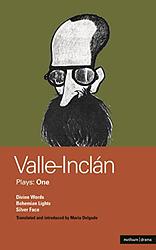
1920, Ramón del Valle-Inclán
"Bohemian Lights" is a novel set in early 20th century Madrid, Spain, featuring a group of bohemian artists and intellectuals as they navigate poverty, passion, and the pursuit of their crafts. The narrative captures their struggles and triumphs, the vibrant and decadent world they inhabit, and thei
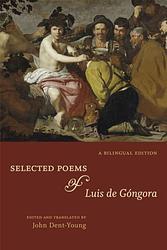
1601, Luis de Góngora
"Poems of Góngora" is a collection of poems by a renowned Spanish Baroque poet. The book is a compilation of his most celebrated works, showcasing his unique style of complex and innovative metaphors, intricate syntax, and the use of Latinisms. His poems capture a wide range of themes such as love,
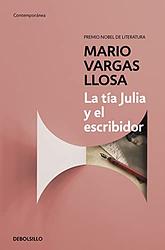
1977, Mario Vargas Llosa
The novel is a semi-autobiographical tale of a young man in Peru who falls in love with his divorced aunt, Julia, while working at a radio station. Their scandalous romance unfolds amidst the backdrop of a chaotic radio station run by a brilliant but unstable Bolivian scriptwriter who churns out dai
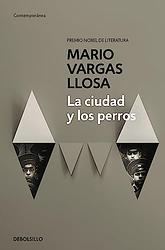
1963, Mario Vargas Llosa
"The Time of the Hero" is a novel set in a military academy in Lima, Peru, where a group of cadets try to maintain their individuality and resist the dehumanizing military routine. The story revolves around a stolen exam paper, the ensuing investigation, and the brutal fallout. The novel explores th
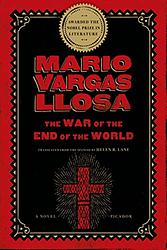
1981, Mario Vargas Llosa
The book is a historical novel that recounts the War of Canudos, a conflict in late 19th-century Brazil over religious fanaticism, political instability, and social inequality. The story is centered around an apocalyptic movement led by a charismatic, messianic figure who convinces the poor and down
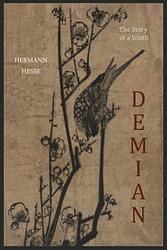
1919, Hermann Hesse
The novel follows the life of a young man, Emil Sinclair, from childhood to adulthood, as he navigates the duality of his nature and the societal expectations of his time. He is influenced by a charismatic and intellectual peer, Max Demian, who introduces him to the concept of the world not as a dic
1917, Joseph Conrad
A young man takes command of his first ship, navigating the challenges of leadership, isolation, and responsibility. As they journey from Bangkok to Singapore, the ship is becalmed and the crew falls ill, leading to a tense and eerie atmosphere. The protagonist is forced to confront his own fears an
1853, Herman Melville
"Bartleby the Scrivener" is a story set in Wall Street, revolving around a law firm clerk named Bartleby who, after initially proving himself a diligent employee, begins to refuse his boss's orders with the phrase "I would prefer not to." Despite being fired and even imprisoned, Bartleby continues h
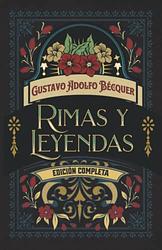
1871, Gustavo Adolfo Bécquer
"Rimas" is a collection of post-romantic poetry that explores themes of love, despair, and the ephemeral nature of beauty. The poems are known for their musicality, emotion, and simplicity, and they often reflect the poet's personal experiences and feelings. The work is considered a cornerstone of S
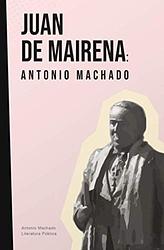
1936, Antonio Machado
"Juan de Mairena" is a collection of philosophical musings, aphorisms, and reflections on a range of topics such as politics, art, religion, and education. The work is presented as the thoughts of an imaginary character, Juan de Mairena, a teacher and amateur philosopher. Through this character, the
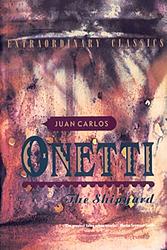
1961, Juan Carlos Onetti
"The Shipyard" is a novel set in a decaying Uruguayan port town, where the protagonist, a middle-aged man recently released from jail and suffering from tuberculosis, decides to take on the impossible task of reviving a defunct shipyard. The book explores themes of existentialism, disillusionment, a
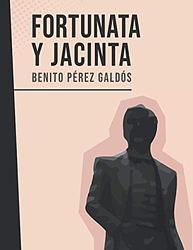
1887, Benito Pérez Galdós
"Fortunata and Jacinta" is a novel set in 19th century Spain, that explores the lives of two women - Fortunata, a poor but beautiful woman, and Jacinta, a wealthy and well-bred lady. Both women are in love with the same man, a wealthy and idle individual who leads a life of debauchery. The novel off
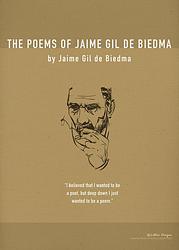
1960, Jaime Gil de Biedma
This book is a collection of poems by a renowned Spanish poet, reflecting his personal experiences, emotions, and observations of society. The poet's work is characterized by his profound exploration of themes such as love, death, time, and memory. His poems are known for their rich imagery, lyrical
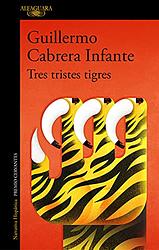
1965, Guillermo Cabrera Infante
Three Trapped Tigers is a novel that explores the nightlife, culture, and history of Havana, Cuba, during the 1950s. The narrative is fragmented and experimental, employing a range of styles and techniques, including stream-of-consciousness, wordplay, and parody. The book presents a vivid and humoro

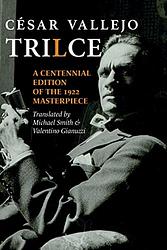
1922, César Vallejo
"Trilce" is a groundbreaking collection of 77 avant-garde poems that explore the complexities of human existence and emotions. The work is known for its innovative use of language and form, challenging traditional poetic norms. It delves into themes of love, death, and existential angst, while also
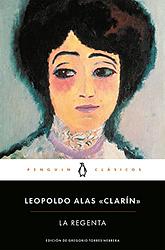
1884, Clarín
"La Regenta" is a classic of Spanish literature that takes place in a small provincial town and centers around the character of Ana Ozores, a married woman who becomes the object of desire for two very different men: the town's liberal Casanova and a conservative, ambitious priest. The narrative exp
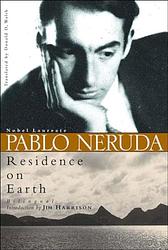
1933, Pablo Neruda
"Residence on Earth" is a collection of poems that delve into the human condition, exploring themes of love, despair, loneliness, and the search for identity and meaning. The poems are characterized by their deep introspection, vivid imagery, and profound emotional resonance. The author's unique sty
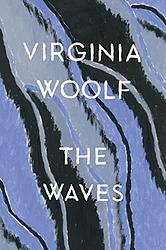
1931, Virginia Woolf
"The Waves" is a novel that follows the lives of six friends from childhood to old age, using an innovative narrative style that intertwines their individual voices into a collective stream of consciousness. The novel explores themes of individual identity, the passage of time, and the human conditi
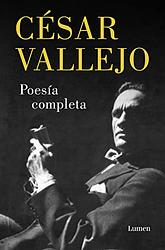
1968, César Vallejo
This comprehensive collection showcases the unique and profound poetry of a renowned Peruvian writer, encompassing his entire body of work. The poet's themes often revolve around love, death, and the human condition, reflecting his deeply held political beliefs and personal experiences. His innovati
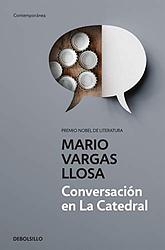
1969, Mario Vargas Llosa
Set in mid-20th century Peru, "Conversation in the Cathedral" is a complex narrative that explores the corruption, decay, and turmoil of the society under the dictatorial rule of Manuel A. Odria. The story mainly revolves around two characters - a wealthy newspaper owner's son and his family's forme
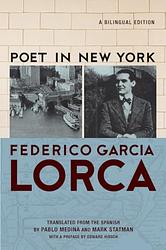
1940, Federico García Lorca
This book is a collection of poems by a renowned Spanish poet during his stay in New York City in the 1920s. The poems are a commentary on the urban landscape, highlighting the stark contrast between nature and industrialization. The poet's deep sense of alienation and despair in the face of social
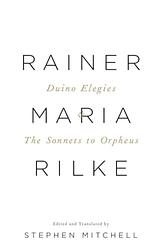
1923, Rainer Maria Rilke
"The Duino Elegies" is a collection of ten elegies that delve into the complexities of human existence, exploring themes of love, death, time, God, and the nature of reality. The author uses vivid and often unsettling imagery to convey a sense of the profound beauty and pain inherent in the human ex
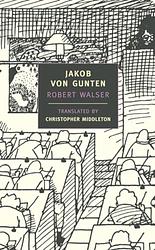
1909, Robert Walser
This novel is a first-person account of a young man who leaves his privileged life to enroll at a school for servants in Berlin. The protagonist's observations and experiences in the school, his interactions with the headmaster and other students, and his internal struggles and reflections form the
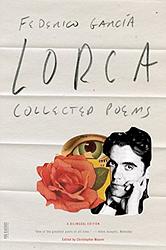
1921, Federico García Lorca
This collection is an anthology of poems by a renowned Spanish poet, which are characterized by their passionate lyricism, vivid imagery, and exploration of love, death, and the Andalusian landscape. The poet's works often incorporate elements of surrealism and are deeply influenced by traditional S
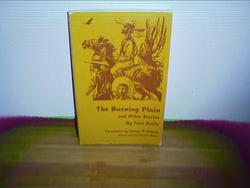
1953, Juan Rulfo
"The Burning Plain and Other Stories" is a collection of short narratives set in the harsh rural areas of Mexico, depicting the brutal realities of peasant life. The stories are filled with characters who are haunted by their past, living in extreme poverty, and often meeting violent ends. The book
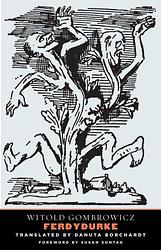
1937, Witold Gombrowicz
"Ferdydurke" is a satirical novel that explores the themes of maturity, identity, and societal norms. The protagonist, a thirty-year-old writer, is forcibly regressed by two professors back to his adolescence and placed in a school setting. The narrative critiques the artificiality of adulthood and
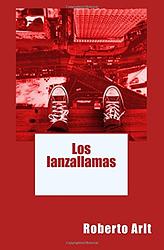
1931, Roberto Arlt
"Los lanzallamas" is a novel set in Buenos Aires in the 1920s, revolving around the lives of a group of characters who are marginalized by society. The protagonist, a failed inventor turned anarchist, is manipulated into participating in a plot to overthrow the government and establish a new social
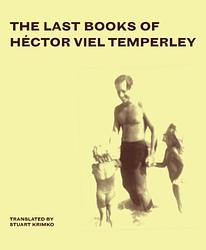
2011, Hector Viel Temperley
"The Last Books of Hector Viel Temperley" is a compilation of the Argentine author's final three books of poetry, displaying his unique style that combines spiritual and erotic themes. The author's deeply personal and emotional poems are often centered around religious mysticism and sensual love, wi
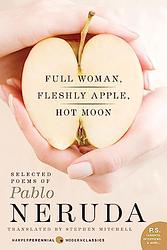
1970, Pablo Neruda
This book is a collection of poetry by a renowned Chilean poet who is known for his passionate, intense, and deeply emotional verses. The poems touch on a variety of themes, including love, nature, politics, and the human condition. The poet's unique style, which combines vivid imagery, profound emo
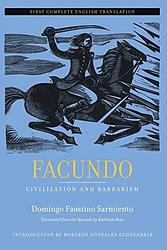
1845, Domingo Faustino Sarmiento
"Facundo" is a socio-political critique and historical account of Argentina during the first half of the 19th century. The book examines the life of the gaucho, Facundo Quiroga, who becomes a powerful and ruthless warlord, illustrating the destructive effects of caudillismo (military dictatorship) o
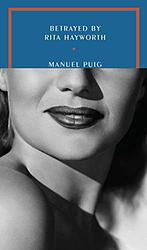
1968, Manuel Puig
The novel explores the life of a young boy growing up in a small town in Argentina during the 1930s and 1940s. It is a coming-of-age story that uses a unique narrative structure, incorporating a mix of dialogues, inner thoughts, and film scripts to depict the protagonist's life. The boy's obsession
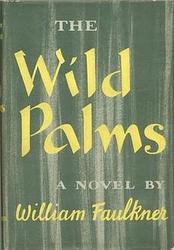
1939, William Faulkner
The novel is a collection of four related stories, each focusing on a different protagonist. The stories are set in the Southern United States and explore themes of love, loss, and the struggle to survive in harsh circumstances. The characters are often isolated and alienated, struggling with their
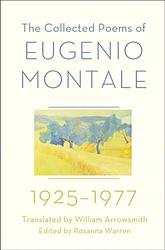
1925, Eugenio Montale
The book is a collection of poems by an acclaimed Italian poet. It explores themes of love, nature, time, and mortality, characterized by a unique blend of vivid imagery and philosophical insight. Through his words, the poet offers a deeply personal and introspective look at the human condition, all
1929, Roberto Arlt
"Los Siete Locos" is a complex and dark novel set in the 1920s in Buenos Aires. The story revolves around a man who, disillusioned with his mundane life and the corruption he sees around him, becomes involved with a group of anarchists who plan to overthrow the government. The protagonist is drawn i
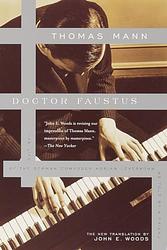
1947, Thomas Mann
The novel is a reimagining of the Faust legend set in the context of the first half of the 20th century and the turmoil of Germany in that period. It tells the story of a composer who makes a pact with the devil, exchanging his soul for unlimited creative genius. The protagonist's life and work refl
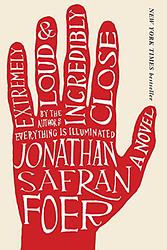
2005, Jonathan Safran Foer
A nine-year-old boy named Oskar Schell embarks on a quest to solve the mystery behind a key he discovered in his deceased father's closet. His father died in the 9/11 attacks, and Oskar believes the key is a clue to a message his father left behind. As he explores all five boroughs of New York City,
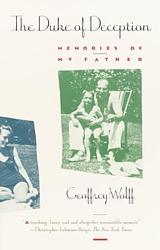
1979, Geoffrey Wolff
"Duke of Deception" is a memoir that provides a vivid account of a son's relationship with his eccentric, deceitful father. The father, a con man who lived a life of fabricated grandeur and prestige, constantly moved his family around the country to escape debts and legal troubles. Despite his fathe
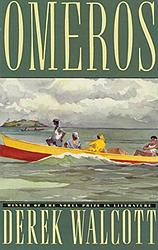
1990, Derek Walcott
"Omeros" is an epic poem that explores the lives of a small community in the Caribbean. The narrative intertwines the lives of characters such as fishermen, a housemaid, and a disabled veteran, all of whom embody various aspects of Caribbean history and culture. Drawing inspiration from Homer's Ilia
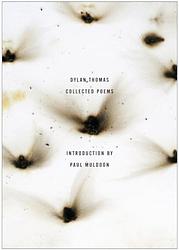
1952, Dylan Thomas
This collection presents a comprehensive compilation of works by a renowned 20th-century poet, known for his powerful, rhythmic and visionary verse. The book includes all of his poems, from his early, surrealistic pieces to his later, more personal and introspective works, reflecting the poet's prof
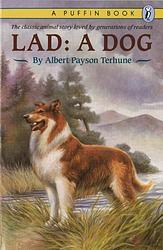
Lad
1919, Albert Payson Terhune
"Lad: a Dog" is a collection of twelve short stories centered around a rough collie named Lad, who lives with his owners, referred to as the Master and Mistress, at a place called the Place. The stories depict Lad's adventures, his loyalty and courage, and his interactions with other animals and hum
1934, Rex Stout
The book is a detective novel featuring Nero Wolfe, a private investigator who is eccentric yet brilliant. Wolfe, who is extremely overweight and rarely leaves his home, solves crimes from the comfort of his New York City brownstone with the help of his assistant, Archie Goodwin. The story is known
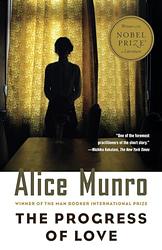
1986, Alice Munro
"The Progress of Love" is a collection of short stories that explore the complexities of human relationships, particularly focusing on love. Set in various locations, from small-town Ontario to post-war Italy, the narratives delve into the lives of different characters as they navigate the intricaci
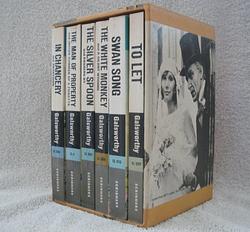
1921, John Galsworthy
"To Let" is the final novel in a trilogy that explores the lives of the Forsyte family, a wealthy and influential clan in London. In this installment, the focus shifts to the next generation, specifically the love story between Fleur Forsyte and Jon Forsyte. Their relationship is complicated by thei