Menu

Last collection of books

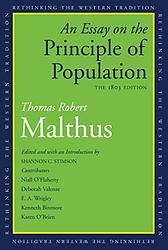
1798, Thomas Robert Malthus
This influential work explores the theory that population growth will always tend to outrun the food supply and that betterment of humankind is impossible without strict limits on reproduction. The author argues that poverty, disease, and starvation are all necessary to keep societies from moving be
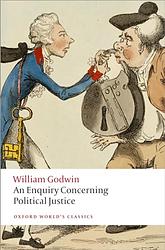
1793, William Godwin
This book is a philosophical work that explores the concept of political justice, arguing against the established political institutions and proposing a society based on reason and justice, where individuals are not coerced by laws but guided by their own sense of morality. The author criticizes ins
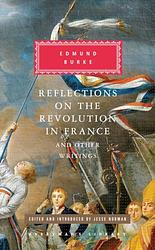
1790, Edmund Burke
This book is a political pamphlet written in the 18th century, where the author criticizes the French Revolution, arguing that it has gone too far in its quest for radical change. He asserts that the revolutionaries, in their rejection of tradition and their embrace of abstract notions of liberty an
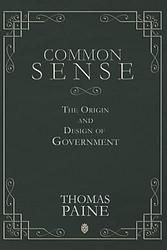
1776, Thomas Paine
This influential pamphlet, published in 1776, played a crucial role in persuading the colonists of the Thirteen Colonies to declare independence from Britain. It argues for the democratic system of government, criticizes monarchy and hereditary succession, and advocates for the inherent rights and f
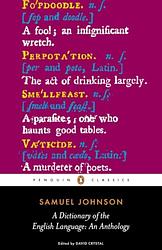
1755, Samuel Johnson
This comprehensive work is an extensive dictionary of the English language, providing detailed definitions, etymology, and usage examples for a wide range of words. It was one of the earliest dictionaries to approach language in this systematic and scholarly way, and it played a significant role in
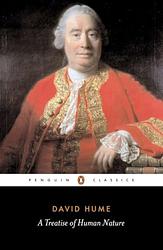
1739, David Hume
This philosophical work delves into the understanding of human nature, focusing on the mind, emotions, and morality. The author argues that all of our thoughts and ideas are derived from our senses and experiences, rejecting the idea of innate ideas. He also debates the nature of causality, the exis
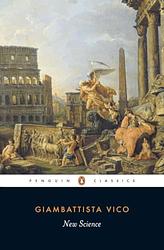
1725, Giambattista Vico
"The New Science" is a groundbreaking philosophical work that proposes a new approach to the study of society, history, and the nature of human behavior. The author argues that human beings are the creators of their own history, culture, and society, and that they can therefore understand these phen
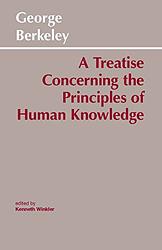
1710, George Berkeley
This philosophical work challenges the idea of materialism, arguing that objects only exist as a perception of the mind. The author asserts that we can only directly know sensations and ideas of objects, not the objects themselves. He also discusses the role of God, suggesting that our perceptions a
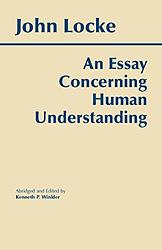
1689, John Locke
This philosophical work explores the concept of human understanding, proposing that all knowledge is derived from experience. The author argues against innate ideas, suggesting instead that the mind is a blank slate at birth, filled over time through sensory and reflective experiences. The book cove
1677, Baruch de Spinoza
"Ethics" is a philosophical work that explores complex ideas about God, the universe, human emotions, and the path to enlightenment. The book outlines a metaphysical, epistemological, and ethical system in which God and the universe are one and the same, rejecting traditional notions of a personal d
1700, Gottfried Wilhelm Leibniz
This book is a comprehensive collection of the philosophical, scientific, and mathematical works of a renowned 17th-century polymath. It includes his groundbreaking ideas in the fields of calculus, metaphysics, logic, and theology, as well as his correspondence with other notable intellectuals of hi

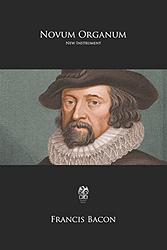
1620, Francis Bacon
This book is a philosophical work that presents a new method of acquiring knowledge and understanding the natural world, rejecting the traditional methods of the time. The author argues that human understanding is hindered by certain 'idols' or false notions, and proposes an inductive, experimental
1619, Johannes Kepler
"The Harmony of the Worlds" is a scientific text that presents the author's innovative and groundbreaking theories on planetary motion. The author proposes that the movements of the planets in our solar system are not random, but rather follow precise mathematical relationships, likening these celes
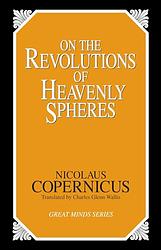
1543, Nicolaus Copernicus
This book presents the revolutionary astronomical model that places the sun, rather than the earth, at the center of the universe. The author challenges the geocentric model of the cosmos, which had been widely accepted since the time of Aristotle, and instead proposes a heliocentric system, where t
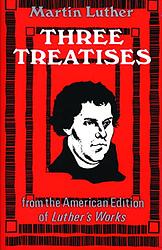
1520, Martin Luther
"Three Treatises" is a collection of seminal works by a prominent religious reformer, focusing on the need for religious reformation and critiquing the Roman Catholic Church's practices. The first treatise discusses the Christian's spiritual nobility and priesthood, arguing that faith alone, not chu
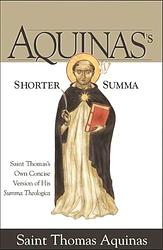
1274, Thomas Aquinas
This comprehensive text is a seminal work in the field of theology, written by a prominent medieval philosopher and theologian. The book is structured in a question-and-answer format, tackling complex philosophical and theological issues such as the existence of God, the nature of man, the purpose o
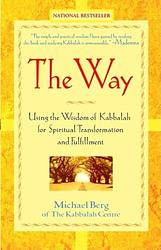
1300, Unknown
This book provides an in-depth exploration of Kabbalah, a mystical Jewish tradition. It delves into its historical origins, core philosophies, and spiritual practices, giving readers a comprehensive understanding of its principles and teachings. The book also discusses the Kabbalah's influence on va
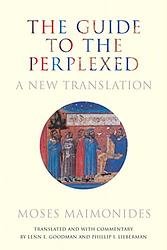
1190, Moses Maimonides
This philosophical work serves as a guide for people who are perplexed by apparent contradictions between the teachings of religion and the discoveries of science. It seeks to reconcile the philosophy of Aristotle with the teachings of Judaism, arguing that the two are not in conflict but rather com
2024, Plotinus
"Enneads" is a collection of 54 philosophical treatises by Plotinus, a prominent philosopher of the ancient world. The work is a cornerstone of Neoplatonism, a school of Hellenistic philosophy that sought to reconcile Greek philosophy with religious mysticism. The book covers a wide range of topics,
2024, Sextus Empiricus
"Outlines of Pyrrhonism" is a philosophical text that delves into the teachings of Pyrrho, a Greek philosopher known for his skepticism. The book explores the concept of skepticism as a pathway to "ataraxia" (tranquility), arguing that suspending judgment leads to a state of mental peace. It present
1960, Herbert Feis
This book provides a detailed account of the Potsdam Conference, a crucial event in world history that took place in the summer of 1945. It explores the interactions and negotiations between the three most powerful men of that time - Winston Churchill, Harry Truman, and Joseph Stalin - who were task
1959, Margaret Leech
"In the Days of McKinley" is a comprehensive biography of the 25th President of the United States, William McKinley. The book provides a detailed account of McKinley's personal life, his political career, and the significant events during his presidency, including the Spanish-American War and the an
1958, Jean Schneider
"The Republican Era: 1869-1901" provides a comprehensive examination of the political, social, and economic events that unfolded in the United States during the period of Republican dominance post-Civil War. The authors delve into the policies and ideologies that shaped this era, including the rise
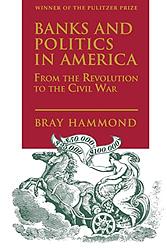
1957, Bray Hammond
"Banks and Politics in America" is a comprehensive historical analysis of the relationship between banking systems and politics in the United States. The book explores how the evolution of banking has shaped the nation's political and economic development from the colonial period through the Civil W
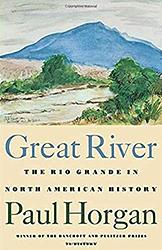
1954, Paul Horgan
This book provides an in-depth historical account of the Rio Grande, one of North America's significant rivers. The narrative is divided into four parts, each representing a different era in the river's history. The author meticulously explores the indigenous cultures that first inhabited its banks,
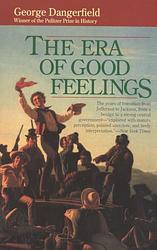
1952, George Dangerfield
"The Era of Good Feelings" is a historical examination of the United States during the period of 1815-1828, also known as the Era of Good Feelings. This period, marked by a sense of national purpose and a desire for unity among Americans in the aftermath of the War of 1812, is analyzed in detail. Th
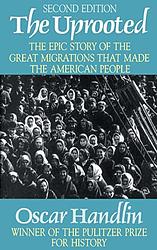
1951, Oscar Handlin
"The Uprooted" is a historical study focusing on the experiences of immigrants who came to the United States from the 17th to the 20th centuries. The book emphasizes the hardships and struggles they faced, including the disorientation and displacement resulting from leaving their homelands, the diff
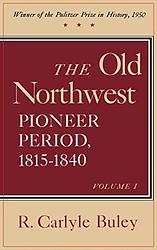
1950, R. Carlyle Buley
This book offers a comprehensive historical account of the pioneering period in the Old Northwest region of the United States from 1815 to 1840. It delves into the social, economic, and political developments of the era, shedding light on the lives of the pioneers, their struggles, achievements, and
1949, Oliver W. Larkin
"Art and Life in America" provides an in-depth exploration of the evolution of American art, from the colonial period to the mid-20th century. The book delves into the relationship between American society and its art, examining how cultural, social, and political changes influenced artistic trends.
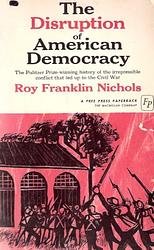
1948, Roy Franklin Nichols
"The Disruption of American Democracy" is a comprehensive historical analysis of the period leading up to the American Civil War, focusing on the political, social, and economic factors that led to the conflict. The book explores the deep-seated divisions between the North and South, the role of sla
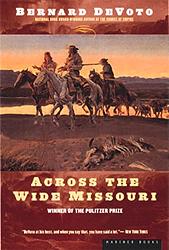
1947, Bernard A. DeVoto
"Across the Wide Missouri" is a historical narrative that explores the American fur trade in the 1830s, focusing on the Rocky Mountain fur trade. The book provides a detailed account of the lives of trappers, traders, Native Americans, and the rich ecosystem they inhabited. The narrative is filled w
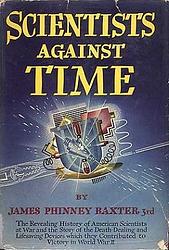
1946, James Phinney Baxter III
"Scientists Against Time" is a comprehensive account of the scientific and technological advancements during World War II. The book details how scientists, engineers, and industrialists collaborated to develop new weapons and equipment to aid the war effort. It highlights the creation of radar, the
1944, Stephen Bonsal
"Unfinished Business" is a historical account of the author's experiences and observations as a diplomat and journalist in the early 20th century. It provides an in-depth look at the political climate during that time, including the Spanish-American War, the Russo-Japanese War, and World War I. The
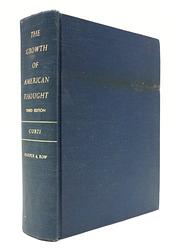
1943, Merle Curti
"The Growth of American Thought" is a comprehensive historical analysis of the development of intellectual and social ideologies in the United States, from colonial times to the mid-20th century. The book explores how various factors, including political, economic, and social changes, influenced the
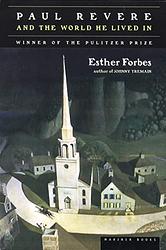
1942, Esther Forbes
"Paul Revere and the World He Lived In" is a comprehensive biography that explores the life and times of Paul Revere, a key figure in the American Revolutionary War. The book delves into his career as a silversmith, his role as a courier and patriot, and his participation in the infamous midnight ri
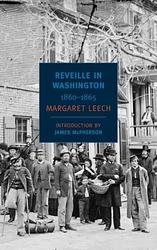
1941, Margaret Leech
"Reveille in Washington" is a vivid portrayal of Washington D.C. during the American Civil War. The book offers a detailed account of the city's transformation from a sleepy Southern town to a bustling hub of war activity, filled with soldiers, spies, bureaucrats, and freed slaves. The narrative als
1940, Marcus Lee Hansen
"The Atlantic Migration" is a comprehensive study of European migration to America from 1607 to 1860. The book explores the reasons behind the mass migration, the experiences of the migrants, and the impact of this movement on both the old and new world. It provides a detailed analysis of the social
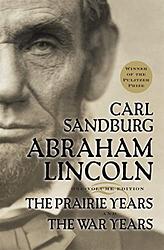
1939, Carl Sandburg
This book is a comprehensive biography of Abraham Lincoln, focusing particularly on his leadership during the Civil War. It delves into Lincoln's political strategies, his role in emancipation, and his military leadership, providing a detailed and nuanced portrayal of his presidency. The book also e
1930, Frank Luther Mott
This comprehensive book provides an in-depth look at the history of American magazines from their inception in the 18th century to the 20th century. It explores the evolution of magazines, their influence on society, and the role they played in shaping and reflecting public opinion. The book also de
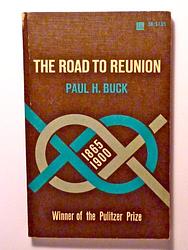
1937, Paul Herman Buck
"The Road to Reunion" is a historical examination of the period from 1865 to 1900 in the United States, focusing on the complex process of reunification following the Civil War. The author analyzes the political, social, and economic factors that influenced the reconciliation between the North and t
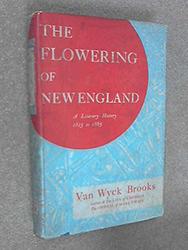
1936, Van Wyck Brooks
"The Flowering of New England" is a historical narrative that explores the cultural and intellectual development of New England from 1815 to 1865. It delves into the lives and works of prominent figures of the period, their influences, relationships, and the social and political contexts that shaped
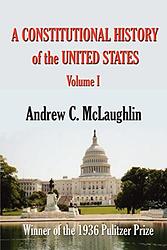
1935, Andrew C. McLaughlin
This book provides a comprehensive analysis of the United States Constitution, tracing its history and evolution from its inception to the present day. The author delves into the philosophical underpinnings and political controversies that have shaped the Constitution, examining key amendments, cour
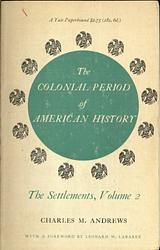
1934, Charles McLean Andrews
"The Colonial Period of American History" is a comprehensive study of the early years of America, from the initial colonization by European powers to the establishment of the 13 colonies. The book delves into the social, economic, and political aspects of this era, including the relationships betwee
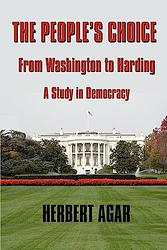
1933, Herbert Agar
"The People's Choice" is a historical and political analysis that delves into the American democratic system. The book critically examines the flaws and strengths of democracy, exploring how it has evolved from the time of the Founding Fathers. The author proposes that democracy in its current form
1932, Frederick J. Turner
This book explores the significance of geographic sections and their influence on American history. The author argues that the unique characteristics of each geographic area, including its natural resources, climate, and topography, have shaped its social, economic, and political development. These
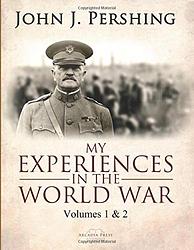
1931, John J. Pershing
This book is a first-hand account of a high-ranking military officer's experiences during World War I. It provides an in-depth look at the planning, strategy, and execution of military operations, while also offering personal reflections on the war's impact. The author details his interactions with
1930, Bernadotte E. Schmitt
"The Coming of the War, 1914" is a comprehensive historical analysis of the factors and events that led to the outbreak of World War I. The author meticulously details the geopolitical tensions, alliances, and conflicts among the European powers in the early 20th century. The book also delves into t
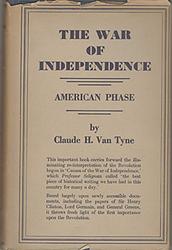
1929, Claude H. Van Tyne
"The War of Independence" is a comprehensive analysis of the American Revolution, providing a detailed account of the events leading up to, during, and following the war. The book covers the political, economic, and social factors that contributed to the uprising, the major battles and strategies, t
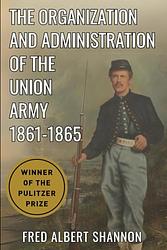
1928, Fred Albert Shannon
This book provides an in-depth historical analysis of the organization and administration of the Union Army during the American Civil War. It explores the logistical challenges, bureaucratic structures, recruitment and training processes, and the strategies implemented by the Union leadership. The b
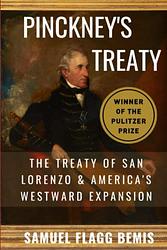
1926, Samuel Flagg Bemis
"Pinckney's Treaty" is an in-depth historical analysis of the 1795 agreement between the United States and Spain, also known as the Treaty of San Lorenzo. The book delves into the geopolitical implications of the agreement, which defined the boundaries between Spanish colonies and the U.S., provided
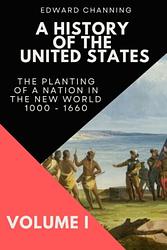
1905, Edward Channing
This book provides a comprehensive and detailed history of the United States, from its early colonial period through to the modern era. It explores key events, significant figures, and important social, economic, and political changes. The author's scholarly approach offers an in-depth understanding
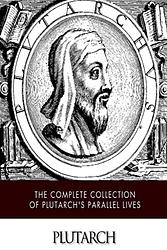
2024, Plutarch
"Parallel Lives" is a collection of biographies of famous Greek and Roman figures, written in pairs to draw comparisons between their lives. The work explores the influence of character on the lives and destinies of these historical figures. The biographies are not only a record of the lives of thes
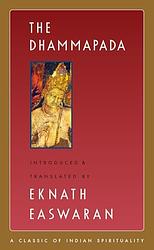
2024, Unknown
The Dhammapada is a revered text in Theravada Buddhism, containing 423 verses divided into 26 chapters. It provides a comprehensive guide to the Buddha's teachings, focusing on ethics, meditation, wisdom, and the path to nirvana. The verses are intended to be practical and applicable to everyday lif
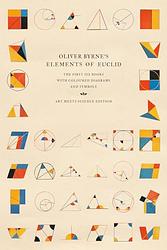
2024, Euclid
This book is a comprehensive collection of definitions, postulates, propositions, and mathematical proofs written by an ancient Greek mathematician. It is considered one of the most influential works in the history of mathematics, serving as the main textbook for teaching mathematics, especially geo
2024, Aristotle
The "Corpus Aristotelicum" is a collection of texts by an ancient Greek philosopher, providing an extensive exploration of numerous fields of knowledge, such as metaphysics, ethics, logic, politics, biology, and poetry. These works have been instrumental in shaping Western philosophy and have had a
2024, Hippocrates
The "Hippocratic Corpus" is a collection of around 70 early medical works from ancient Greece, written in Ionic Greek. The texts are of varying content and length, covering a wide range of medical topics, including clinical descriptions of disease, surgical procedures, medical ethics, and philosophi
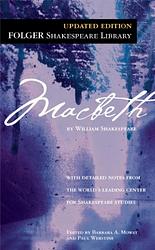
1606, William Shakespeare
This classic play follows the tragic tale of Macbeth, a Scottish general whose ambition is sparked by a prophecy from three witches that he will one day become King of Scotland. Consumed by ambition and spurred on by his wife, Macbeth murders King Duncan and takes the throne. However, guilt and para
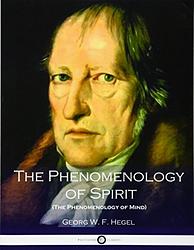
1807, G. W. F. Hegel
This profound philosophical work delves into the evolution of consciousness, examining the stages it goes through from simple sensory awareness to the complexities of ethical life and self-awareness. The author argues that the mind does not exist in isolation, but rather develops through interperson
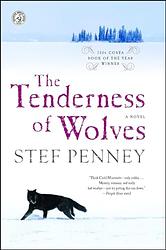
2006, Stef Penney
Set in the 1860s, the novel tells the story of a small Canadian town rocked by the brutal murder of a French trapper. When a local woman's adopted son becomes the prime suspect, she embarks on a perilous journey through the wilderness to clear his name. Along the way, she uncovers a complex web of d
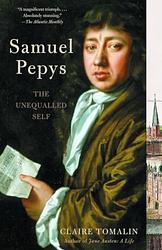
2002, Claire Tomalin
This biography provides a thorough and engaging look into the life of Samuel Pepys, a 17th-century English naval administrator and Member of Parliament, who is most famous for the diary he kept for a decade. The book explores his personal and professional life, his relationships, his work in the nav