Menu

Last collection of books

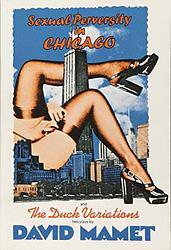
1974, David Mamet
"Sexual Perversity in Chicago" is a play that explores the relationships and sexual dynamics of two young couples in 1970s Chicago. The narrative dissects the complex nature of sexual relationships, highlighting the characters' struggles with intimacy, communication, and emotional honesty. The play
1975, Hugh Kenner
"A Homemade World" is a critical analysis of modern American literature, focusing on the works of authors such as William Carlos Williams, Gertrude Stein, and Ezra Pound. The book explores how these authors broke away from traditional European literary forms to create a distinctly American literatur
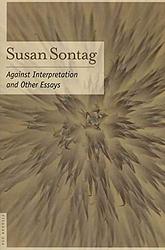
1966, Susan Sontag
This book is a collection of essays that challenge the traditional methods of interpretation and criticism of art and culture. The author argues that in our attempt to interpret and find deeper meaning, we often overlook the sensory experience of the work itself. The book encourages readers to exper
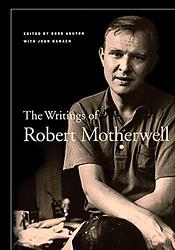
1944, Robert Motherwell
"Documents of Modern Art" is a comprehensive collection of writings that provides an intellectual and historical context to the development of modern art. The book features a wide range of essays, manifestos, letters, and other writings by influential artists, critics, and scholars from the late 19t
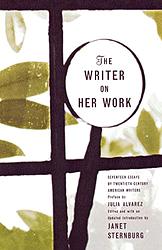
1980, Janet Sternburg
"The Writer on Her Work" is a collection of essays by various female authors who discuss their experiences, challenges, and perspectives on writing. The book explores the complexities of being a woman in the literary world, shedding light on topics such as gender bias, the struggle for recognition,
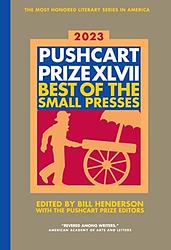
1976, Pushcart Prize
The "Pushcart Prize Anthology" is a collection of works from various authors, all of whom have been recognized for their outstanding contributions to literature. The anthology includes a diverse range of writing styles and genres, from poetry and essays to short stories and novellas, all of which ha
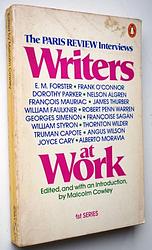
2006, Paris Review
The book is a collection of in-depth, personal interviews with some of the greatest literary minds of the 20th century. It provides a unique insight into their creative processes, inspirations, and struggles. The discussions delve into their thoughts on the craft of writing, their individual approac
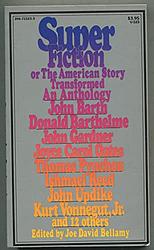
1975, Joe David Bellamy
"Superfiction" is a collection of essays that explores the concept of "superfiction," a term coined by the author to describe a new kind of writing that blends traditional storytelling with contemporary literary techniques. The book examines how this new form of fiction can be used to create more co
1973, Rust Hills
"How We Live" is a collection of essays that explore the various aspects of human life. The author delves into topics such as love, death, work, and leisure, offering insightful and often humorous commentary. Through his reflections, the author attempts to answer the fundamental question of what it
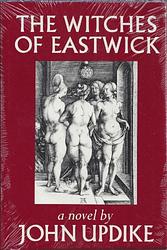
1978, John Updike
"The Coup" is a satirical novel that tells the story of Colonel Hakim Félix Ellelou, the ruler of a small, fictional, underdeveloped African nation. The narrative, delivered through Ellelou's first-person perspective, explores his anti-Western sentiments, his struggles with modernity and development
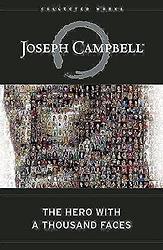
1949, Joseph Campbell
This book explores the theory that important myths from around the world which have survived for thousands of years all share a fundamental structure, which the author calls the "monomyth." It outlines the stages of this monomyth, which include a hero's call to adventure, a descent into the underwor
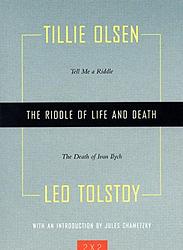
1961, Tillie Olsen
"Tell Me a Riddle" is a collection of four short stories that explore the lives of working-class Americans. The narrative primarily focuses on a married couple who are struggling with their relationship and their identities in the twilight of their lives. As the wife is diagnosed with a terminal ill
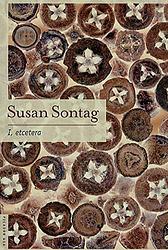
1978, Susan Sontag
"I, etcetera" is a collection of eight short stories that delve into the complexities of human nature and relationships. The stories are diverse in their themes, exploring topics such as war, love, identity, and illness. The narratives are deeply introspective, often employing experimental forms of
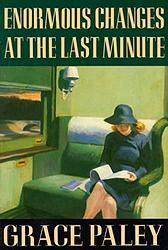
1974, Grace Paley
"Enormous Changes at the Last Minute" is a collection of 17 short stories that delve into the lives of various individuals living in New York City. The narratives explore themes of love, loss, and the complexities of life, often from the perspective of women. The stories are characterized by their d
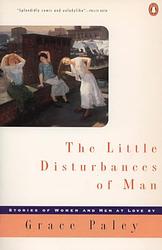
1959, Grace Paley
"Little Disturbances" is a collection of short stories that explore the daily lives and struggles of women, primarily Jewish New Yorkers. The stories are centered around themes of love, loss, and the complexities of life, with a particular focus on the female experience. The author's distinctive voi
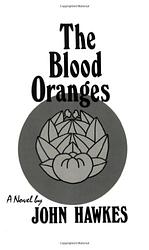
1971, John Hawkes
"Blood Oranges" is a dark, surreal narrative that follows the journey of an unnamed narrator, a failed poet turned farmer, as he navigates through a landscape ravaged by a mysterious plague. The narrative is filled with bizarre and grotesque imagery, highlighting the narrator's descent into madness
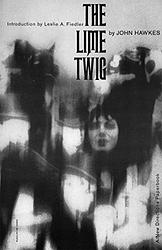
1961, John Hawkes
In this novel, a couple living in post-war England become entangled in a dangerous scheme involving horse racing and theft. The husband is persuaded by a criminal group to steal a racehorse, leading to a series of tragic and violent events. The narrative is filled with surreal and nightmarish imager
V
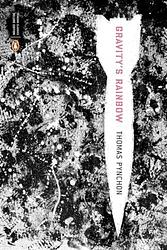
1963, Thomas Pynchon
"V" is a complex novel that intertwines two parallel narratives. One follows Benny Profane, a discharged U.S. Navy sailor involved in a group of bohemian artists and hooligans called the Whole Sick Crew, while the other narrative is a series of historical accounts researched by Herbert Stencil, who
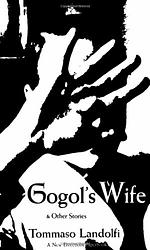
1953, Tommaso Landolfi
"Gogol's Wife" is a collection of short stories that are known for their unique blend of fantasy, history, and reality. The stories revolve around a variety of themes, from a man's bizarre relationship with his inflatable wife to a writer's struggle with a demanding publisher. The book is characteri
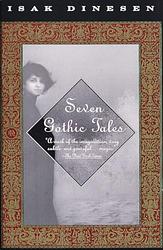
1934, Isak Dinesen
"Seven Gothic Tales" is a collection of short stories set in the 19th century, each with a unique blend of humor, horror, and romanticism. The tales, steeped in supernatural elements and psychological depth, explore themes of love, betrayal, and identity. The stories are populated by a variety of ch
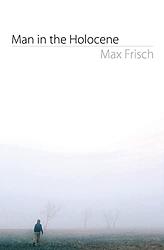
1979, Max Frisch
The book is a narrative about an elderly man who, isolated in his home during a rainstorm in the Swiss Alps, reflects on his life, mortality, and the human condition. The protagonist spends his time reading encyclopedic entries and clipping them to his wall, creating a mosaic of human knowledge and
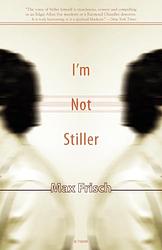
1954, Max Frisch
The book is a profound exploration of identity and the human condition, revolving around a man who is arrested upon his return to his home country, Switzerland, after spending time in America. Although he insists he is not the man, Stiller, that everyone believes him to be, his protests are ignored.
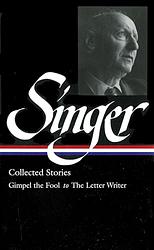
1953, Isaac Bashevis Singer
"Gimpel the Fool" is a collection of short stories that portray the life of Gimpel, a simple baker who is often deceived by the people in his town. Despite the continuous deceit, Gimpel maintains his faith in humanity and never seeks revenge. Throughout the stories, the protagonist's innocence and n
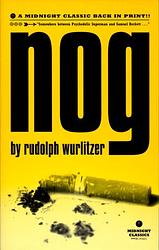
Nog
1969, Rudy Wurlitzer
"Nog" is a surreal and psychedelic tale of a man's journey through a chaotic and disorienting world. The protagonist, Nog, embarks on an existential adventure across America, encountering a series of bizarre characters and situations along the way. The narrative is often nonlinear and disjointed, re
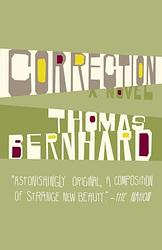
1975, Thomas Bernhard
"Correction" is a complex narrative revolving around the life of a man named Roithamer, a genius obsessed with constructing an architectural masterpiece, the Cone, in the center of the Kobernausser forest. The story is told through the perspective of his friend who is reading Roithamer's notes after
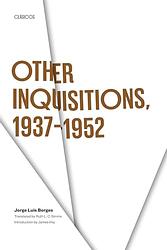
1952, Jorge Luis Borges
"Other Inquisitions" is a collection of essays that explore a wide range of topics including literature, philosophy, and metaphysics. The author uses his profound knowledge of world literature and history to delve into complex subjects such as time, identity, and infinity. He also provides insightfu
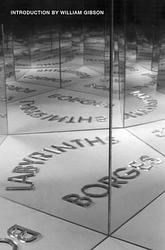
1962, Jorge Luis Borges
"Labyrinths" is a collection of short stories and essays that explore complex themes of infinity, parallel universes, and the blurred lines between reality and illusion. The narratives often feature protagonists who are scholars or librarians, trapped in surreal, metaphysical landscapes. The author'
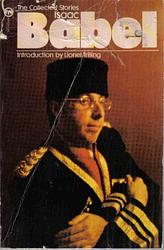
1934, Isaac Babel
This collection of short stories presents a rich tapestry of narratives exploring the harsh realities of war, the complexities of Jewish life in early 20th century Russia, and the human condition. Written by a renowned Russian author, the stories are known for their vivid imagery, poignant themes, a
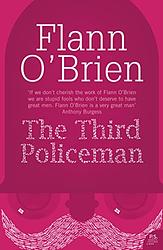
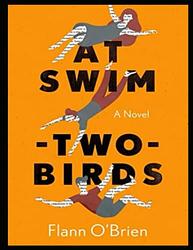
1967, Flann O'Brien
"The Third Policeman" is a darkly comedic and surreal novel about a nameless narrator who, after committing a murder to raise funds for his scholarly obsession with a bizarre pseudo-scientific theory, finds himself wandering in an eerie, nightmarish landscape. He encounters strange characters, inclu
1939, Flann O'Brien
This novel is a complex, metafictional work that weaves together three separate narratives. The first is about a lazy, hard-drinking college student living with his uncle, the second is about a devilish Pooka and a loquacious old man, and the third is about a fictional character named Finn who seeks
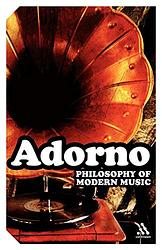
1949, Theodor Adorno
This book offers a comprehensive analysis and critique of modern music, focusing on the works of two prominent 20th-century composers. The author explores the relationship between society and music, arguing that the evolution of music reflects changing social and political landscapes. The text sugge
1907, Alfred Adler
The book explores the concept of organ inferiority, where physical weaknesses or deficiencies in the body can influence an individual's psychological development and behavior. It delves into how people compensate for these perceived or actual physical shortcomings through various psychological mecha
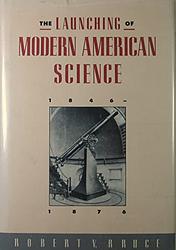
1987, Robert V. Bruce
This book explores the birth and development of modern American science between 1846 and 1876. It details how the United States transformed from a scientifically backward nation into a world leader in scientific research and development. The author delves into the lives and contributions of key figu
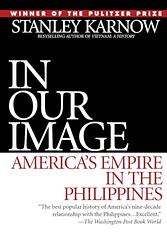
1989, Stanley Karnow
This book provides a comprehensive historical account of the relationship between the United States and the Philippines, from the time of Spanish colonial rule, through American occupation and its aftermath. It explores the motivations, actions and impacts of American imperialism in the Philippines,
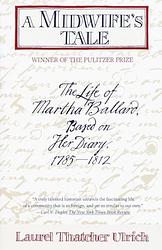
1990, Laurel Thatcher Ulrich
"A Midwife's Tale" is a historical account of a midwife's life in the late 18th and early 19th centuries, based on her detailed diary entries. The book offers a unique perspective on the daily life, medical practices, and social and economic conditions of the time, while highlighting the significant
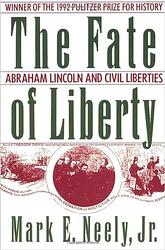
1991, Mark E. Neely, Jr
This book explores Abraham Lincoln's approach to civil liberties during the American Civil War. It examines the decisions he made that affected individual rights, such as his choice to suspend habeas corpus, allowing the government to arrest and detain individuals without a trial. The author delves
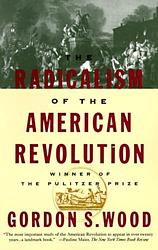
1992, Gordon S. Wood
This book explores the American Revolution, not just as a war of independence, but as a radical shift in society and culture that transformed the American people from a monarchy-dependent society to a republic of self-governing citizens. It delves into the deep social changes that occurred, challeng
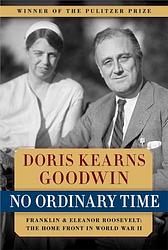
1994, Doris Kearns Goodwin
"No Ordinary Time" is a historical narrative focusing on the presidency of Franklin D. Roosevelt during World War II and the significant role his wife, Eleanor, played during his time in office. The book provides a detailed account of the political, social, and personal dynamics of the Roosevelt Whi
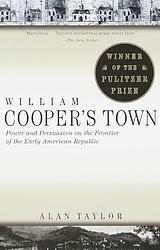
1995, Alan Taylor
"William Cooper's Town" is a historical narrative that explores the life of William Cooper, a self-made man who became a judge and congressman in early America. The book delves into the economic, political, and social transformation of America during the late 18th and early 19th centuries, using Coo
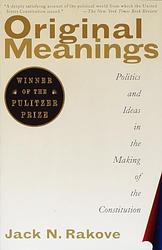
1996, Jack N. Rakove
This book delves into the political history of the United States, examining the original intent of the Founding Fathers when drafting the Constitution. The author scrutinizes the debates, disagreements, and compromises that shaped the formation of the Constitution, aiming to dispel the notion of a u
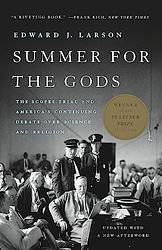
1997, Edward Larson
"Summer for the Gods" is a historical account of the 1925 Scopes Trial, also known as the "Monkey Trial," which was a legal case in Tennessee that debated the teaching of evolution in public schools. The book delves into the cultural, political, and intellectual clashes between religious fundamental
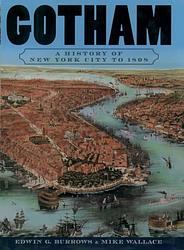
1998, Edwin G. Burrows
"Gotham: A History of New York City" is an extensive historical account of New York City from its early establishment as a small Dutch trading post to its evolution into a bustling, world-renowned metropolis. The book explores the city's social, political, and economic transformation throughout the
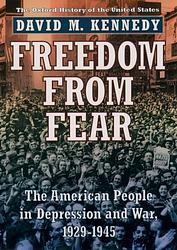
1999, David M. Kennedy
"Freedom From Fear: The American People" is a comprehensive historical analysis of the United States from 1929 to 1945. The book explores the Great Depression, the New Deal, and World War II, delving into the social, political, economic, and cultural impacts of these events. It provides a detailed a
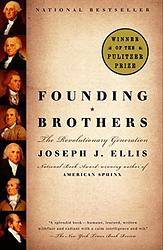
2000, Joseph Ellis
The book provides an in-depth exploration of the American Revolution's aftermath, focusing on the lives of the founding fathers and the complex relationships between them. It delves into six key moments in early American history, including the duel between Aaron Burr and Alexander Hamilton, the secr
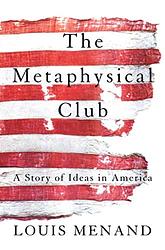
2001, Louis Menand
"The Metaphysical Club: A Story of Ideas" is a historical account of the development of pragmatism, one of America's most significant philosophical movements. The book explores the lives and intellectual journeys of four influential thinkers - Oliver Wendell Holmes Jr., William James, Charles Sander
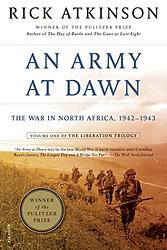
2002, Rick Atkinson
"An Army at Dawn" is a detailed account of the North African campaign during World War II, from the invasion of Morocco and Algeria in November 1942 to the expulsion of Axis powers from Tunisia in May 1943. The book provides an in-depth look at the struggles, victories, and growth of the American an
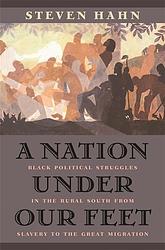
2003, Steven Hahn
"A Nation Under Our Feet" is a comprehensive study of African American political history during the 19th century, particularly from the Civil War to World War I. The book explores the struggle of African Americans to gain and sustain political power within the American democracy. It highlights their
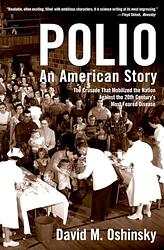
2005, David M. Oshinsky
This book provides a comprehensive history of the polio epidemic in America, highlighting the nationwide fear and panic it caused, and the subsequent race to find a cure. It chronicles the journey of scientific discovery, from the early days of the disease, through the development of the Salk and Sa
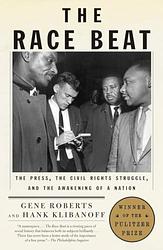
2006, Hank Klibanoff
"The Race Beat" is a historical exploration of the crucial role that the press played in the civil rights movement in the United States. The book delves into the challenges faced by journalists, both white and black, as they covered the struggle for racial equality in the South during the 1950s and
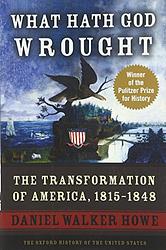
2007, Daniel Walker Howe
This book provides a comprehensive historical account of the United States from 1815 to 1848, a transformative period marked by the significant political, economic, and technological changes that shaped the country's future. The author explores key events such as the War of 1812, the rise of industr
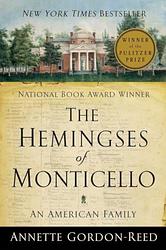
2008, Annette Gordon-Reed
This book explores the complex and controversial history of Thomas Jefferson's relationship with his slave, Sally Hemings, and her family. It provides a detailed account of the Hemings family's life at Monticello, their interactions with Jefferson, and their experiences during and after his presiden
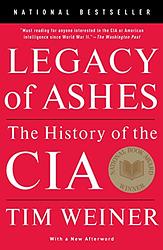
2007, Tim Weiner
This book is a comprehensive history of the Central Intelligence Agency from its inception in 1947 to 2007. It provides an in-depth look at the agency's triumphs and failures, revealing a pattern of poor intelligence analysis, covert operations gone awry, and bureaucratic mismanagement. The author u
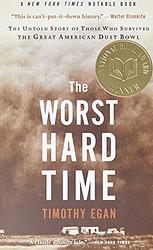
2006, Timothy Egan
The book is a historical account of the Dust Bowl in the 1930s, focusing on the lives of several families and individuals who chose to remain in the Great Plains despite the devastating dust storms and economic hardship. It provides an in-depth look at the environmental and human factors that led to
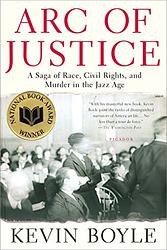
2004, Kevin Boyle
"Arc of Justice" is a riveting and complex story that unfolds in the racially tense backdrop of 1920s Detroit. The narrative follows an African American physician who moves his family into a predominantly white neighborhood, resulting in a chain of violent events. The doctor stands trial for murder,
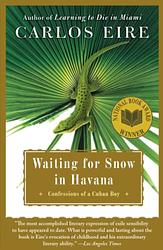
2003, Carlos Eire
The book is a memoir of a young boy's life in Havana, Cuba, during the 1950s, just before and during the Cuban Revolution. It vividly depicts the boy's privileged, idyllic childhood filled with joy and adventure, which is abruptly disrupted by the political upheaval that leads to his exile to the Un
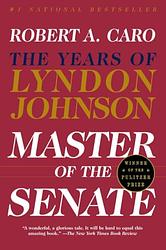
2002, Robert Caro
This book is the third volume in a series that details the life and career of a prominent American politician. It focuses on his time in the U.S. Senate, detailing how he used his skills in persuasion and manipulation to gain power and influence. The book explores his major legislative achievements,
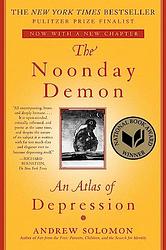
2001, Andrew Solomon
"The Noonday Demon" is a comprehensive exploration of depression, drawing on the author's own struggle with the illness and interviews with fellow sufferers, doctors, and scientists, drug designers, and philosophers. It examines depression in personal, cultural, and scientific terms, covering aspect
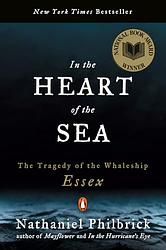
2000, Nathaniel Philbrick
This historical narrative tells the true story of the 19th-century whaleship Essex, which was rammed and sunk by a sperm whale in the South Pacific. Stranded thousands of miles from land, the crew of the Essex was pushed to their limits and forced to do the unthinkable to stay alive. The tale explor
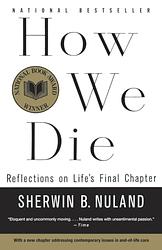
1994, Sherwin B. Nuland
This book is a contemplative exploration of death from a medical perspective, aiming to demystify the process of dying. It delves into the most common causes of death, including old age, cancer, heart disease, AIDS, accidents, and more, providing detailed descriptions of what happens to the body. Th

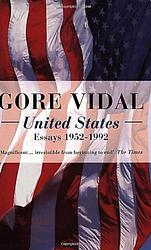
1993, Gore Vidal
This book is a collection of essays written over a 40-year period, providing an insightful commentary on the political, historical, and cultural landscape of the United States. The author's sharp wit and incisive analysis are evident as he discusses a wide range of topics, from literature and the ar