Menu

Last collection of books

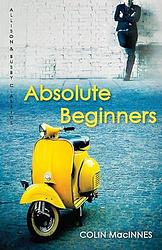
1959, Colin MacInnes
"Absolute Beginners" is a story set in the late 1950s in London, focusing on a young, unnamed freelance photographer. The protagonist navigates through the changing landscape of the city, dealing with issues of racism, the emerging youth culture, and the beginnings of a more liberal society. The nov
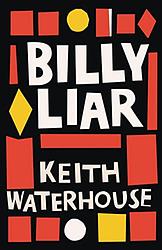
1959, Keith Waterhouse
"Billy Liar" is a comedic novel that revolves around the life of a young man, Billy Fisher, who is stuck in a dull job and a boring town. Billy, a habitual liar, escapes his mundane life by retreating into his own fictional world, "Ambrosia." However, his lies begin to catch up with him, causing con
1959, Es'kia Mphahlele
"Down Second Avenue" is a semi-autobiographical account of a black man's life under apartheid in South Africa. The narrative chronicles the protagonist's journey from childhood to adulthood, detailing his experiences with poverty, discrimination, and the struggle for education. Despite the harsh rea
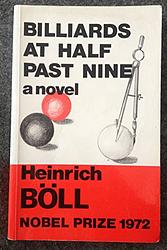
1959, Heinrich Böll
The novel follows the story of the Faehmel family, spanning three generations, in post-war Germany, focusing on the impact of war and the struggle with the country's Nazi past. The narrative centers around Robert Faehmel, an architect who refuses to build anything after World War II, his father, a W
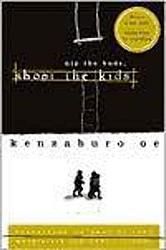
1958, Kenzaburō Ōe
This novel tells the story of a group of reformatory school boys evacuated to a remote mountain village in wartime. The boys are treated harshly by the villagers, who view them as little more than animals. When a plague breaks out, the villagers flee, leaving the boys behind to fend for themselves.
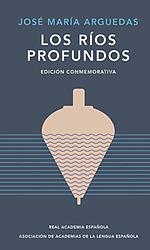
1958, José María Arguedas
"Deep Rivers" is a novel that follows the life of a young boy who is caught between the Spanish and indigenous cultures of Peru. The protagonist is sent to a Catholic boarding school, where he experiences the harsh realities of social and racial divisions within the country. As he navigates these ch
1958, R. K. Narayan
"The Guide" follows the life of Raju, a corrupt tour guide who, through a series of events, ends up in prison, and later becomes a spiritual guide. After his release from prison, Raju is mistaken for a holy man by villagers and gets involved in resolving a drought problem by fasting. The novel explo
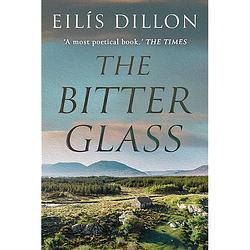
1958, Eilís Dillon
"The Bitter Glass" is a historical novel set in Ireland during the 1920s, a time of political upheaval and civil war. The story follows the life of a young man who becomes embroiled in the conflict, despite his initial reluctance. As he navigates through the complexities of love, loyalty, and patrio
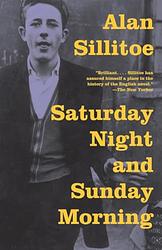
1958, Alan Sillitoe
The novel provides a gritty, realistic portrayal of working-class life in post-war British society, as seen through the eyes of a rebellious young factory worker in Nottingham. The protagonist, a hard-drinking, womanizing anti-hero, navigates life's challenges and societal expectations, while seekin
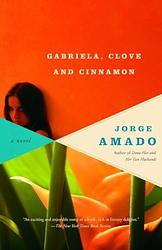
1958, Jorge Amado
Set in the 1920s in the Brazilian town of Ilhéus, the novel tells the story of a beautiful and charismatic migrant worker, Gabriela, who becomes a cook in the home of a wealthy bar owner. As the town, historically dominated by a few wealthy cacao planters, undergoes economic and social changes, Gabr
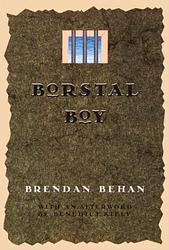
1958, Brendan Behan
"Borstal Boy" is a semi-autobiographical novel that depicts the author's experiences in a British juvenile detention center, or borstal, during World War II. The young protagonist is arrested in Liverpool for his involvement with the Irish Republican Army and is sent to borstal where he spends his f
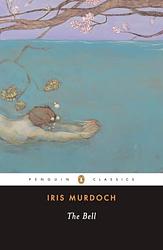
1958, Iris Murdoch
"The Bell" is a novel that explores the dynamics of a lay religious community living next to an enclosed order of nuns in the English countryside. The story is centered around the arrival of a new bell for the abbey, the discovery of an old bell in the lake, and the interplay between the community's
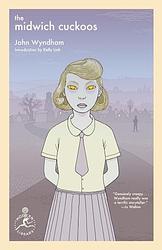
1957, John Wyndham
In a small English village, an inexplicable event causes everyone within its boundaries to fall unconscious for an entire day. When they awaken, it's discovered that all women of childbearing age are pregnant, and the children born from these pregnancies are eerily identical with golden eyes and tel
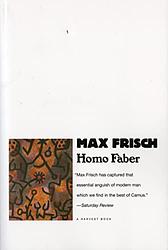
1957, Max Frisch
"Homo Faber" is a novel about a man named Walter Faber, a highly rational and logical Swiss engineer who believes strongly in technology and progress. His life is turned upside down when he survives a plane crash in the Mexican desert, falls in love with a young woman who turns out to be his daughte
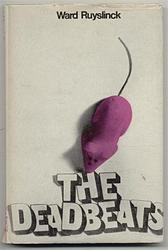
1957, Ward Ruyslinck
"The Deadbeats" is a gripping novel that follows the story of a man who, after losing his wife and job, descends into alcoholism and homelessness. The narrative delves into the harsh realities of life on the streets, exploring themes of despair, survival, and the human capacity for resilience. Despi
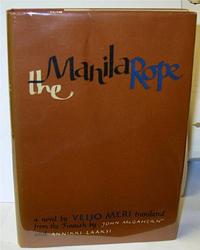
1957, Veijo Meri
"The Manila Rope" is a novel that explores the experiences of a group of Finnish soldiers during World War II. The narrative follows the soldiers as they are tasked with transporting a massive, cumbersome coil of rope across challenging terrains, a task that becomes increasingly absurd and futile as
1957, Vladimir Nabokov
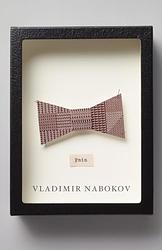
The novel is about a Russian émigré, Timofey Pnin, who is a professor at an American college. Pnin struggles with the complexities of life, language, and American culture, while dealing with the traumas of his past in Russia. The book is a series of loosely connected episodes, filled with humor, pat
1957, Ernst Jünger
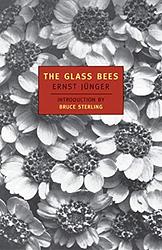
"The Glass Bees" is a novel set in a future dystopian society, where technology has advanced to the point where robotic bees are being used for honey production. The story follows a former cavalryman who, desperate for employment, accepts a job from a powerful technocrat to test out these mechanical
1957, Lawrence Durrell
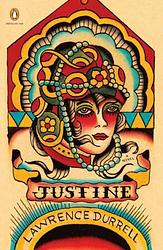
"Justine" is a novel set in pre-World War II Alexandria, Egypt, and is the first in a quartet of books. The story is told from the perspective of an Irish teacher living in Alexandria, who becomes entangled in a complex love triangle with a beautiful Jewish woman named Justine and her husband, a wea
1956, John Barth
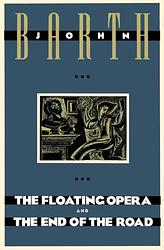
The novel is a first-person narrative told by an aging man who contemplates suicide on his birthday. He recounts the events of his life, including his love affairs, his law career, and his relationships with his friends and neighbors in a small Maryland town. As he reflects on the absurdity of life,
1956, Sam Selvon
"The Lonely Londoners" is a novel that explores the lives of a group of West Indian immigrants living in London during the 1950s. The narrative follows the characters as they navigate the challenges of racism, poverty, and isolation in a new and unfamiliar environment. Despite their hardships, the c
1955, Nikos Kazantzakis
This novel presents an alternative interpretation of the life of Jesus Christ, who is depicted as a conflicted, all-too-human figure who struggles with his divine destiny. The book explores his journey through life, his friendships, his fears, and his ultimate temptation to avoid crucifixion and liv
1955, Patrick White
This novel tells the story of Stan Parker, an ordinary and hardworking man living in the Australian outback. The narrative chronicles his life, including his marriage to Amy, the birth of their two children, and the various struggles they face such as financial hardship, natural disasters, and the c
1954, Yukio Mishima
The novel is a classic tale of first love between a young fisherman and a pearl diver in a remote Japanese coastal village. The story is set in the post-war era and it explores themes of love, tradition, and the power of nature. The fisherman's love for the pearl diver is tested by the village's gos
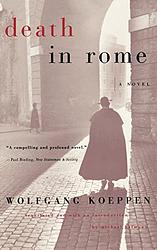
1954, Wolfgang Koeppen
"Death in Rome" is a post-World War II novel that explores the lives of a German family, their friends, and associates during a reunion in Rome. Each character is representative of a different aspect of German society, and their interactions and experiences in the city serve as a commentary on the n
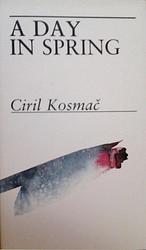
1953, Ciril Kosmač
"A Day in Spring" is a poignant narrative set in a small Slovenian village during World War II. The story follows a young boy who, after losing his parents, is taken in by a kind-hearted, yet poor, elderly couple. As the war rages on, the village is caught in the crossfire and the boy is forced to c
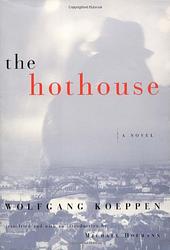
1953, Wolfgang Koeppen
"The Hothouse" is a post-World War II novel that provides a critique of German society through the eyes of a disillusioned civil servant. The protagonist, struggling with the moral and political complexities of the newly formed Federal Republic of Germany, is caught in a web of bureaucracy, corrupti
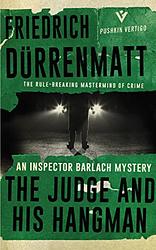
1950, Friedrich Dürrenmatt
This book is a crime novel set in Switzerland, where a police lieutenant is tasked with solving the murder of his former colleague. The narrative explores themes of justice, revenge, and the blurred lines between good and evil. The lieutenant, despite being terminally ill, is determined to solve the
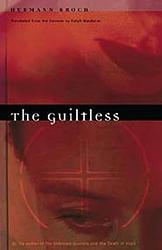
1950, Hermann Broch
"The Guiltless" is a novel that explores the disintegration of values and the rise of fascism in Germany between the two World Wars. It follows the lives of several characters, including a businessman, a musician, and a murderer, whose stories intertwine to paint a picture of a society in moral and
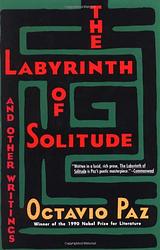
1950, Octavio Paz
This book is a profound and vivid exploration of Mexico's character, culture, and identity. The author delves into Mexico's history, politics, and psyche, examining the country's deep solitude and its impact on the national character. The book provides a comprehensive analysis of Mexican society, it
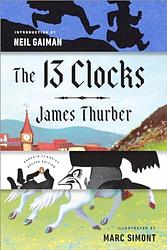
1950, James Thurber
The book tells the story of a cold-hearted Duke who has frozen time, stopping the 13 clocks in his castle, and his beautiful niece, the Princess Saralinda. The Duke sets impossible tasks to her suitors, turning them into stone when they fail. However, a mysterious prince, disguised as a minstrel and
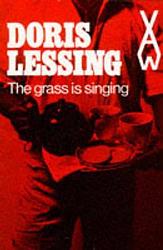
1950, Doris May Lessing
Set in 1940s Southern Rhodesia (now Zimbabwe), this novel explores the life of a white woman, Mary, who marries a poor farmer, Dick Turner, and moves to the African veld. The story delves into their failing farm, their troubled marriage, and the racial tension surrounding their life. The isolation a
1950, Simon Vestdijk
This novel explores the life of a young boy named Nol Rieske, who falls in love with the daughter of a bandmaster in a small Dutch town. As he grows older, he becomes a successful musician, but his obsession with the bandmaster's daughter, who is mentally ill, continues to dominate his life. The sto
1949, Alejo Carpentier
"The Kingdom of This World" is a historical novel that explores the tumultuous period of the Haitian Revolution and its aftermath through the eyes of a slave named Ti Noël. The narrative weaves together elements of magical realism and historical fact, highlighting the brutalities of slavery, the str
1947, Tadeusz Borowski
This book is a collection of short stories based on the author's experiences as a prisoner in Auschwitz during the Holocaust. Each story provides a harrowing, yet matter-of-fact, account of life in the concentration camp, from the brutal work details to the constant threat of death. The author's sta
1948, G. V. Desani
This novel is a unique blend of Eastern philosophy and Western literary technique, following the adventures of its protagonist, a British-educated Indian everyman, as he navigates the complexities of life. The narrative is filled with humor, satire, and linguistic playfulness, as the protagonist int
1948, Alberto Moravia
"Disobedience" is a novel about a young man, Luca, who refuses to serve in the Italian army during World War II. The narrative explores his experiences as he hides from the authorities, the moral dilemmas he faces, his sexual awakening, and his relationship with his mother. His refusal to obey the m
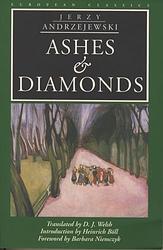
1948, Jerzy Andrzejewski
Set at the end of World War II, the book explores the chaotic and morally complex time in Poland as the country transitions from war to peace. The narrative focuses on a young Home Army soldier tasked with assassinating a communist leader. As he grapples with his mission, he falls in love, further c
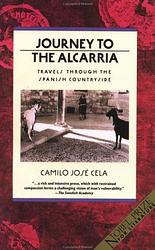
1948, Camilo José Cela
"Journey to the Alcarria" is a travel literature piece that takes the reader on a journey through the Alcarria region in Spain. The protagonist, a solitary traveler, explores the landscape, culture, and people of this region, offering detailed descriptions and observations. The narrative captures th
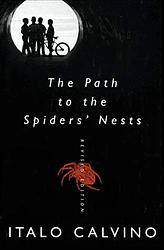
1947, Italo Calvino
The novel is set in Italy during World War II and follows the journey of a young boy who joins the Italian resistance against the Nazis. The story is a coming-of-age tale that explores the boy's struggle to find his identity amidst the chaos of war. Along the way, he encounters various characters, e
1946, Erskine Caldwell
This novel is set in the South and revolves around the life of a wealthy plantation owner, his neglected wife, and their dysfunctional family. The story explores themes of greed, lust, and power, showcasing the downfall of the family due to their moral corruption and the harsh realities of their pla
1946, Henry Green
"Back" is a novel about a British man who returns home after being a prisoner of war during World War II. He struggles to adjust to civilian life and is haunted by the loss of his lover, who died while he was away. As he tries to move on, he becomes entangled in a complicated relationship with his l
1945, Ivo Andrić
"Bosnian Chronicle" is a historical novel set in the Bosnian town of Travnik during the Napoleonic Wars. The narrative focuses on the experiences of various diplomats and their families living in Travnik, providing a detailed and vivid depiction of life in Bosnia under Ottoman rule. The story is fil
1945, Ivo Andrić
"The Bridge on the Drina" is a historical novel that spans four centuries, highlighting the lives and experiences of the inhabitants of a small town in Bosnia. The narrative revolves around a stone bridge, which serves as a symbol of unity and continuity. The book explores the impact of the Ottoman
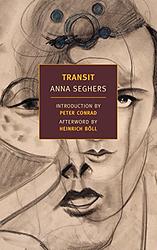
1944, Anna Seghers
A German man escapes from a Nazi concentration camp during World War II and finds himself stuck in Marseille, France, where he assumes the identity of a deceased author to secure a transit visa. As he navigates the bureaucratic maze of the immigration process, he becomes entangled in the lives of th
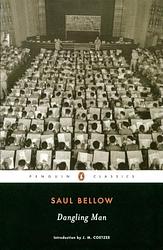
1944, Saul Bellow
Set in Chicago during World War II, the novel follows the life of a young man waiting to be drafted into the army. As he waits, he grapples with his feelings of isolation, frustration, and anxiety, which are exacerbated by his joblessness and the uncertainty of his future. His diary entries reveal h
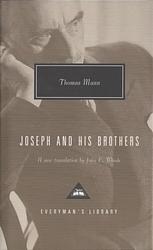
1933, Thomas Mann
This novel is a re-imagining of the biblical story of Joseph, known for his coat of many colors. The narrative delves deeply into the psychological aspects of each character, exploring their motivations, flaws, and virtues. The story covers Joseph's life from his early years in Canaan, through his b
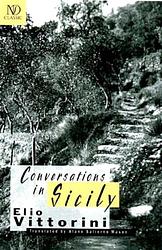
1941, Elio Vittorini
"Conversations in Sicily" is a semi-autobiographical novel that explores the journey of a man returning to his native Sicily after many years away. The protagonist's journey is both physical and emotional as he reconnects with his past, his culture, and his mother, while also confronting his disillu
1941, Cesare Pavese
"The Harvesters" is an evocative tale set in the rural landscapes of Italy in the early 20th century. The narrative follows a young man who, after a life of hardship and poverty, leaves his village to seek a better life in the city. However, he soon finds himself drawn back to his roots, yearning fo
1941, Patrick White
"The Living and the Dead" is a novel that explores the lives and relationships of the Standish family living in London. The story delves into the complexities of the human condition, as it portrays the characters' struggles with their identities, societal expectations, and the inherent loneliness of
1941, Ciro Alegría
"Broad and Alien is the World" is a novel that explores the harsh realities of life for indigenous people in the Peruvian Andes under the oppressive rule of landowners. The story follows the struggles and ultimate downfall of the Rucas family as they resist the exploitation and abuse from those in p
1938, Miroslav Krleža
"On the Edge of Reason" is a satirical novel that explores the life of a lawyer who, after publicly criticizing a corrupt official, finds himself ostracized from society. The protagonist's life unravels as he is alienated by his friends, colleagues, and the society he once held in high regard. This
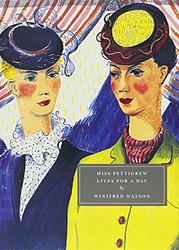
1938, Winifred Watson
"Miss Pettigrew Lives for a Day" is a Cinderella-like tale of a middle-aged, down-on-her-luck governess who mistakenly gets sent to the home of a glamorous nightclub singer. Over the course of 24 hours, her life is completely transformed as she gets swept up in a whirlwind of high-society parties, r
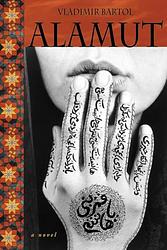
1938, Vladimir Bartol
The novel takes place in the 11th Century Middle East, where the charismatic leader of a radical Islamic sect, known as the Ismailis, manipulates and controls his followers through a combination of religious indoctrination, drugs, and the promise of paradise. The leader creates a literal paradise wi
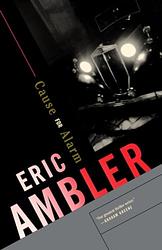
1938, Eric Ambler
"Cause for Alarm" is a thrilling novel set in the backdrop of pre-World War II Europe. The protagonist, a British engineer, gets entangled in a dangerous world of espionage and international politics when he is sent to Italy for work. He unknowingly becomes a pawn in the deadly game between British
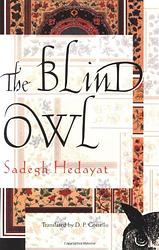
1937, Ṣādiq Hidāyat
"The Blind Owl" is a haunting narrative that delves into the psyche of a tormented artist who is grappling with love, loss, and existential dread. The protagonist is a reclusive painter of pen cases who is haunted by the image of a mysterious woman, leading him down a spiral of obsession and madness
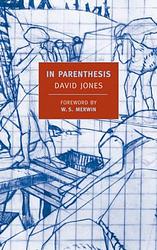
1937, David Jones
In Parenthesis is a semi-autobiographical novel set during World War I, focusing on the experiences of a British infantryman from his enlistment to his injury in the Battle of the Somme. The narrative combines prose and poetry to depict the harsh realities of war, including the camaraderie between s
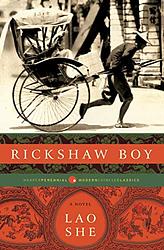
1936, Lao She
"Rickshaw Boy" is a novel about a young man living in Beijing in the 1920s who struggles to escape poverty and achieve personal independence. Despite his hard work and determination, he is continuously set back by societal and personal misfortunes, including failed business ventures, a disastrous ma
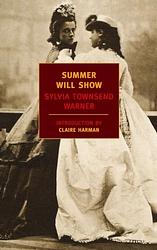
1936, Sylvia Townsend Warner
Set in the 19th century, the novel follows the life of a highborn Englishwoman who, after being betrayed by her husband, decides to live independently. However, she is drawn back into a relationship when her husband's mistress, a French actress, sends for her after he falls ill. The protagonist trav

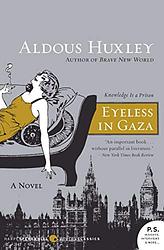
1936, Aldous Huxley
This novel follows the life of Anthony Beavis, a British intellectual, from his childhood to his mid-thirties in the 1930s. As he navigates through life, he deals with the death of his mother, the suicide of his best friend, and his own philosophical and spiritual explorations. The narrative jumps b