Menu

Last collection of books

1936, George Orwell
The novel is a social critique of 1930s London, focusing on a man who rebels against the money-dominated society by quitting his job as a copywriter to pursue poetry. He deliberately lives in poverty, rejecting the societal norms of success and material wealth. His rebellion is challenged when he fa
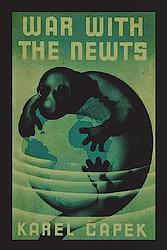
1936, Karel Čapek
The novel is a satirical science fiction tale that explores the discovery of a species of intelligent giant newts. When humans realise they can exploit these creatures for economic gain, they are enslaved and used for labor and military purposes. The newts ultimately rebel, leading to a global war.
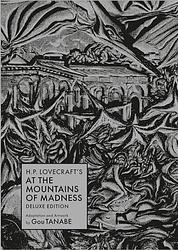
1936, H. P. Lovecraft
In this chilling tale, an Antarctic expedition led by Dr. William Dyer from Miskatonic University uncovers ancient, alien ruins and a dangerous secret that forces them to question their understanding of the universe and their own sanity. As they delve deeper into the mystery, they encounter remnants
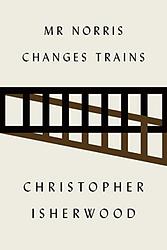
1935, Christopher Isherwood
This novel follows the story of a young Englishman living in Berlin during the early 1930s, who meets and befriends the charming yet mysterious Mr. Norris. As their friendship develops, the protagonist becomes entangled in Mr. Norris's world of political intrigue, espionage, and shady business deali
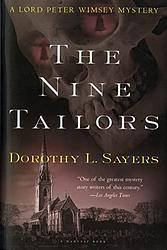
1934, Dorothy L. Sayers
In this mystery novel, a car accident strands a detective in a small English village during New Year's Eve. He is roped into participating in a nine-hour bell-ringing marathon at the local church. Weeks later, a disfigured body is discovered in a grave, leading to a complex investigation involving s
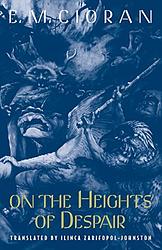
1934, Emil Cioran
"On the Heights of Despair" is a philosophical exploration of the human condition, particularly focusing on themes such as existentialism, despair, and nihilism. The author delves into the idea of life as suffering and the inevitability of death, offering a bleak yet thought-provoking perspective on
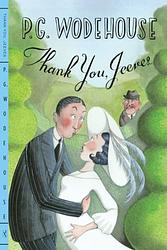
1934, P. G. Wodehouse
In this humorous story, a British aristocrat and his valet find themselves in a series of comedic situations. The aristocrat's banjo playing has led to his eviction from his apartment, forcing him to take refuge in the country, where he becomes embroiled in a scheme to steal a policeman's helmet for
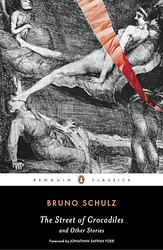
1934, Bruno Schulz
"The Street of Crocodiles" is a collection of short stories set in a small town in Poland, illustrating the author's unique perspective on reality. The book portrays the narrator's father's eccentricities and his vivid, often disturbing, imagination. The stories are filled with bizarre, dreamlike im
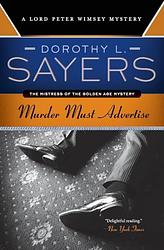
1933, Dorothy L. Sayers
When a copywriter at an advertising agency suspiciously dies in a fall, a private detective goes undercover to investigate the circumstances. He discovers a world of drugs, blackmail, and deceit hidden behind the agency's seemingly ordinary facade. As he delves deeper, he must unravel a web of secre
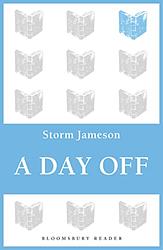
1933, Storm Jameson
"A Day Off" is a novel that depicts a day in the life of a middle-aged woman named Eleanor, who is struggling with the mundanity and hardships of her life. Eleanor, who is married to an unfaithful husband and has a strained relationship with her daughter, decides to take a day off from her routine.
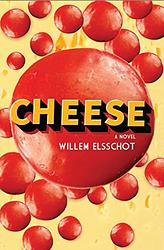
1933, Willem Elsschot
The novel revolves around a Dutchman living in Antwerp, Belgium, who is persuaded by his brother to enter the cheese business. He invests in 10,000 full-cream cheeses and sets up an office, but struggles to sell any of his stock. As he grapples with the nuances of the cheese trade, his personal life
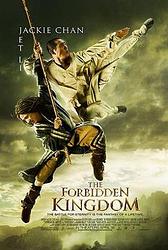
1932, Jan Jacob Slauerhoff
"The Forbidden Kingdom" is a historical fiction novel that intertwines the stories of two men, a 20th century sailor and 16th century Portuguese poet, Luis Camões. The narrative alternates between the two, exploring the sailor's obsession with the poet's life and the poet's experiences in the East,
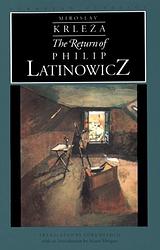
1932, Miroslav Krleža
"The Return of Philip Latinowicz" is a novel about a successful artist who, after living in the city for three decades, decides to return to his rural hometown in order to find inspiration for his next piece of work. As he reconnects with his past and the people from his childhood, he begins to ques
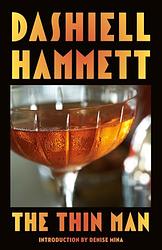
1934, Dashiell Hammett
This detective novel follows a retired private investigator, Nick Charles, who, while on a Christmas vacation in New York with his wife Nora, becomes embroiled in a murder investigation. The case involves a former client of his, Clyde Wynant, who has mysteriously disappeared after his secretary was
1932, Elizabeth Bowen
The novel follows the life of a young woman who, after the death of her husband, moves to London and falls in love with her sister-in-law's lover. The narrative dives deep into the complexities of human relationships and emotions, exploring themes of love, betrayal, and loss. As the protagonist navi
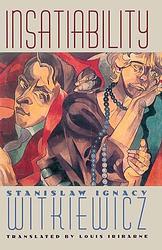
1930, Stanisław Ignacy Witkiewicz
The novel is a dystopian narrative set in a future where a new Asian empire has conquered Europe. The story follows a young Polish man who, while initially indulging in hedonistic pursuits, becomes increasingly disillusioned with the world around him. As the new empire introduces a mysterious substa
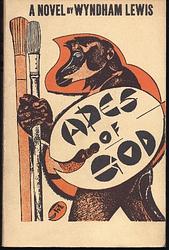
1930, Wyndham Lewis
"The Apes of God" is a satirical novel that critiques the literary and artistic scene of 1920s London. The narrative follows a naive young man from the English countryside who becomes entangled in the pretentious and superficial world of London's modernist elite. The book is known for its biting wit
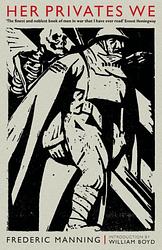
1929, Frederic Manning
"Her Privates We" is a gripping and gritty account of the life of a British soldier during World War I. The novel provides an unflinchingly honest portrayal of the horrors of war, the camaraderie among soldiers, and the struggle to maintain humanity in the face of relentless suffering. It explores t
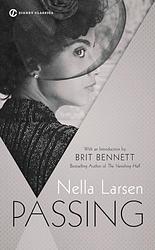
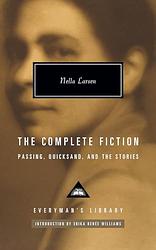
1929, Nella Larsen
"Passing" is a novel about two light-skinned African-American women, Irene Redfield and Clare Kendry, who can 'pass' as white. Set during the Harlem Renaissance, the story explores the intricacies and challenges of racial identity in 1920s America. Clare, who has chosen to live as a white woman, mar
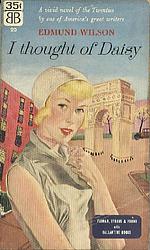
1929, Edmund Wilson
This book follows the story of a young man in New York City during the Roaring Twenties who falls in love with a free-spirited woman named Daisy. As he navigates through the ups and downs of his relationship with Daisy and the complexities of his own life, he is forced to confront his own insecuriti
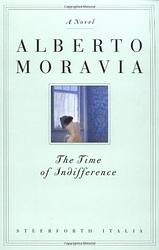
1929, Alberto Moravia
This novel explores the dynamics of an upper-middle-class Italian family facing financial ruin. The story focuses on the emotional indifference and moral decay among family members, as they engage in affairs and manipulative behavior to secure their social status. As the family's fortunes dwindle, t
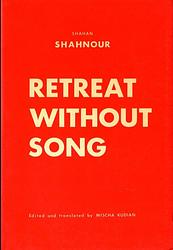
1929, Shahan Shahnour
"Retreat Without Song" is a poignant narrative of the Armenian diaspora, focusing on the life of an immigrant living in Paris during the early 20th century. The protagonist grapples with feelings of alienation, despair, and disillusionment as he navigates his new life in a foreign land while dealing
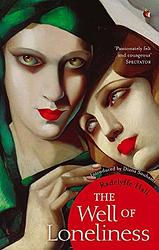
1928, Radclyffe Hall
"The Well of Loneliness" is a groundbreaking novel that explores the life of a woman named Stephen Gordon, who identifies as a lesbian in early 20th century England. The story delves into the societal and personal struggles Stephen faces due to her sexual orientation, including isolation, rejection,
1928, Nella Larsen
"Quicksand" is a semi-autobiographical novel about a mixed-race woman named Helga Crane who, feeling out of place in both African-American and white societies, embarks on a journey of self-discovery. From the Southern United States to Denmark and back, she struggles with racial identity, sexual repr
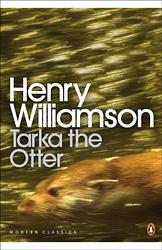
1927, Henry Williamson
"Tarka the Otter" is a novel that follows the life of an otter, Tarka, in the wild. The story is set in North Devon, England and provides a detailed account of Tarka's experiences, from his birth to his eventual death, exploring his interactions with other animals, his struggles for survival, and hi
1927, Arnold Zweig
The book tells the story of Sergeant Grischa, a Russian POW who escapes from a German prison camp during World War I. After assuming the identity of a dead comrade to evade capture, he is eventually caught and sentenced to death for desertion. Despite several attempts by various individuals to save
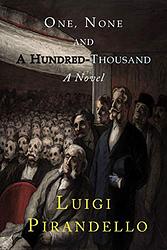
1926, Luigi Pirandello
The book tells the story of a man who has his identity shattered when his wife casually notes that his nose tilts to the right, something he had never noticed before. This seemingly insignificant comment leads him into an obsessive quest to understand how he is perceived by others, and he gradually
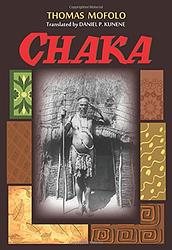
1925, Thomas Mofolo
This novel explores the life of Chaka, a legendary leader in Southern Africa who turns into a tyrant due to his insatiable thirst for power. The narrative focuses on his rise to power, his strategic military genius which leads to the expansion of the Zulu Empire, and his eventual downfall due to his
1925, Maxim Gorky
"The Artamonov Business" is a multi-generational saga that follows the rise and fall of a Russian family's business empire from the 1860s up to the Russian Revolution. The narrative explores the dynamics of the Artamonov family, their personal struggles, moral dilemmas, and the impact of their actio
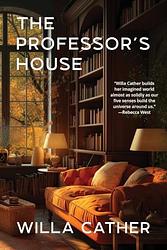
1925, Willa Cather
"The Professor's House" is a narrative revolving around a middle-aged professor who is struggling with a mid-life crisis. As he moves into a new home, he can't help but feel disconnected from his family and former life. His only solace is his unfinished study in his old house, where he spends most o
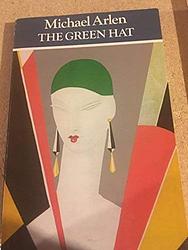
1924, Michael Arlen
"The Green Hat" is a novel set in 1920s London that follows the life of a glamorous and mysterious woman known for her signature green hat. She is a symbol of the era's new woman, embodying both its allure and its moral ambiguity. As she navigates her scandalous love affairs and her brother's suicid
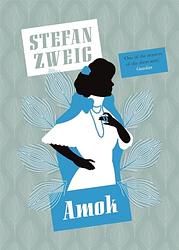
1922, Stefan Zweig
"Amok" is a novella that delves into the mind of a European doctor, who, while working in the Dutch East Indies, becomes obsessed with a wealthy and married female patient. The doctor's fixation spirals into a dangerous and self-destructive passion after she asks him to perform an illegal abortion.
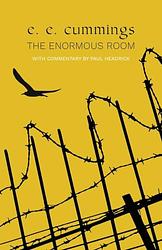
1922, E. E. Cummings
"The Enormous Room" is a semi-autobiographical novel about the author's time spent in a French prison during World War I. The protagonist is arrested and detained for his anti-war sentiments, and the story explores his experiences and observations within the prison. The novel is known for its unique
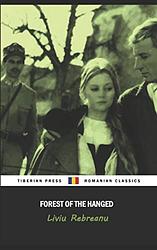
1922, Liviu Rebreanu
"Forest of the Hanged" is a gripping novel set during World War I, focusing on a Romanian officer serving in the Austro-Hungarian army who is forced to confront his own morality and identity. After his brother is executed for treason, the protagonist struggles with his loyalty to the army and his in
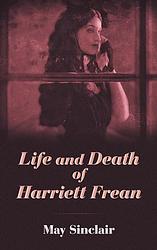
1922, May Sinclair
The book chronicles the life of Harriett Frean, a woman who lives a sheltered and suppressed life due to Victorian societal norms. It explores her journey from a privileged childhood to a lonely adulthood, her unrequited love for a married man, and her struggle with her parents' expectations. The na
1921, Giovanni Papini
"Life of Christ" is a comprehensive biography of Jesus Christ, exploring his life, teachings, and impact on humanity. The book delves into the historical, cultural, and spiritual context of his era, providing in-depth analysis of his miracles, parables, and relationships with his disciples and follo
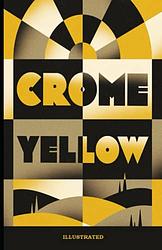
1921, Aldous Huxley
"Crome Yellow" is a satirical novel set in an English country house, where a diverse group of guests gather for a summer holiday. The narrative explores various themes such as love, art, religion, and education through the conversations and interactions of the characters. The novel is known for its
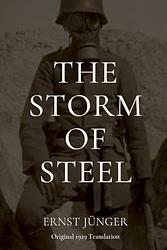
1920, Ernst Jünger
"Storm of Steel" is a memoir of a German officer's experiences during World War I. The book provides a detailed account of the daily life in the trenches, the brutal and chaotic nature of warfare, and the psychological impact on the soldiers. The author describes the horrors of war with a sense of d
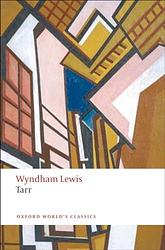
1918, Wyndham Lewis
"Tarr" is a novel set in pre-World War I Paris and follows the story of an English artist, Frederick Tarr. The narrative explores the complex relationships between Tarr and his friends, including his German rival Kreisler and the woman they both love, Bertha. The novel delves into themes of modernis
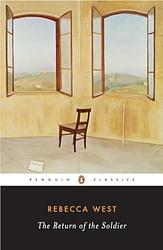
1918, Rebecca West
"The Return of the Soldier" is a poignant story set during World War I, revolving around a British soldier suffering from shell shock-induced amnesia. Upon his return home, he does not remember his wife or his comfortable life of privilege, but instead, recalls his first love and the modest past the
1916, Felix Timmermans
"Pallieter" is a classic Flemish novel that depicts the life of a jovial and life-loving man, Pallieter, who lives in harmony with nature in a small Belgian town. The story showcases his love for the simple pleasures of life, his interactions with the townsfolk, and his deep connection with the natu
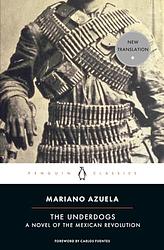
1915, Mariano Azuela
"The Underdogs" is a novel set during the Mexican Revolution, depicting the conflict from the perspective of the peasants who fought in it. The story follows the journey of a poor, illiterate Indian named Demetrio Macias, who becomes a reluctant leader in the rebellion against the federal government
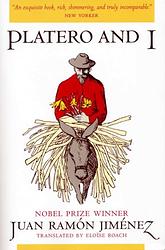
1914, Juan Ramón Jiménez
"Platero" is a beautifully written narrative that follows the relationship between a man and his donkey, Platero, in a small town in Andalusia, Spain. The book is filled with poetic and philosophical musings that reflect on the simple and profound aspects of everyday life. Through the interactions b
1906, Maxim Gorky
This novel centers around a working-class Russian woman who becomes involved in revolutionary activities after witnessing the struggles and injustices faced by her son and his comrades. Despite her initial fear and hesitation, she evolves into a dedicated activist, smuggling illegal literature and p
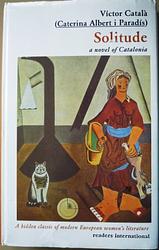
1905, Caterina Albert
"Solitude" is a novel that explores the life and struggles of a young woman living in a rural Catalan village. The protagonist is a strong-willed, independent woman who defies societal norms and expectations, leading to friction with her conservative community. The narrative examines themes of gende
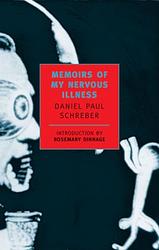
1903, Daniel Paul Schreber
The book is a personal account of a prominent German judge's struggle with severe mental illness. It provides a detailed and vivid description of his experiences with psychosis, hallucinations, and delusions, which he attributes to divine intervention and cosmic forces. The author's attempt to under
1895, Arthur Schnitzler
"None but the Brave" is a novel that explores the complexities of human emotions, relationships, and social norms in the early 20th century. The story follows a group of middle-class Austrians whose comfortable lives are disrupted when they become entangled in a series of romantic and sexual affairs
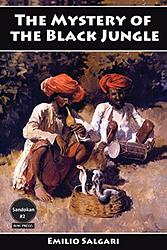
1883, Emilio Salgari
"Sandokan" is an adventure novel set in the 1800s, focusing on the daring exploits of its eponymous hero, a pirate known as the "Tiger of Malaysia". A feared and respected figure, Sandokan battles against the Dutch and British Empires while trying to regain his rightful throne. His life takes a dram
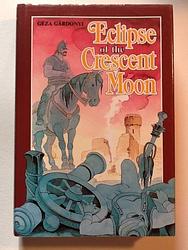
1899, Géza Gárdonyi
"Eclipse of the Crescent Moon" is a historical novel set in the 16th century, during the time of the Ottoman Empire's siege on the Hungarian fortress of Eger. The story follows a brave young boy named Gergely, who grows up to be a heroic soldier defending his homeland. The tale is filled with romanc
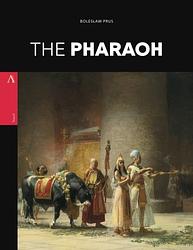
1895, Bolesław Prus
"Pharaoh" is a historical novel set in ancient Egypt, during the reign of Pharaoh Ramses XIII. The story is a complex and compelling tale of court intrigue, power struggles, and the inevitable clash between church and state. The young Pharaoh, Ramses XIII, is pitted against the powerful and entrench
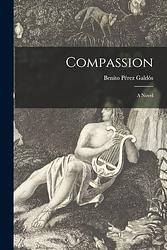
1897, Benito Pérez Galdós
"Compassion" is a compelling narrative that explores the themes of poverty, compassion, and human morality. Set in 19th-century Spain, it follows the story of a wealthy woman who, after an encounter with a poor, blind beggar, is moved to reassess her life and the societal norms of the time. This cha

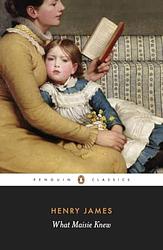
1897, Henry James
The novel revolves around a young girl named Maisie, who becomes a pawn in the bitter divorce of her self-involved and neglectful parents. Her parents use her to hurt each other, and she is passed back and forth between them, their new spouses, and a sympathetic governess. Throughout the novel, Mais
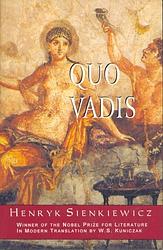
1895, Henryk Sienkiewicz
Set in ancient Rome during the reign of Emperor Nero, "Quo Vadis" follows the love story of a young Christian woman Lygia and a Roman patrician, Marcus Vinicius. As their relationship blossoms, they must navigate the dangerous political climate of the time, marked by Nero's tyranny and the growing i
1896, H. G. Wells
A shipwrecked man finds himself on an isolated island run by a mad scientist who has been conducting disturbing experiments, transforming animals into human-like beings through vivisection. The man must navigate this horrifying new reality while trying to maintain his own humanity and sanity, in a w
1894, Federico De Roberto
"The Viceroys" is a historical novel set in 19th century Sicily, during the Italian unification. The story revolves around the aristocratic Uzeda family, who are trying to retain their power and influence in the changing political landscape. The narrative explores themes of power, corruption, and th
1890, William Morris
"News from Nowhere" is a utopian novel that explores a future society founded on common ownership and democratic control of the means of production. In this society, there is no private property, no big cities, no authority, no monetary system, no divorce, no courts, no prisons, and no class systems
1891, Selma Lagerlöf
The novel tells the story of Gösta Berling, a defrocked minister who becomes a cavalier at Ekeby Manor in Värmland, Sweden. His journey is filled with a series of adventures, romantic encounters, and battles with the forces of nature and the changing seasons. Throughout the narrative, the themes of
1890, August Strindberg
The novel is a psychological exploration of the mind of a man living in isolation on an island in the Baltic Sea. The protagonist, a fisheries inspector, is intellectually superior to the local population and struggles to maintain his sanity amidst the ignorance and superstition of the islanders. Hi
1889, Louis Couperus
"Eline Vere" is a classic novel that explores the life of a young, neurotic woman from the Hague, who is trapped in the restrictive high society of late 19th-century Holland. The protagonist, Eline Vere, is an enchanting but unstable young woman who self-destructs through her irrational fears and fa
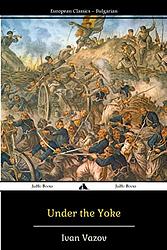
1888, Ivan Vazov
"Under the Yoke" is a historical novel set during the April Uprising in Bulgaria in 1876 against the Ottoman Empire. It presents a vivid portrayal of the events leading up to the uprising, the rebellion itself, and its tragic aftermath, through the eyes of the inhabitants of a small Bulgarian town.