Menu

Last collection of books

1990, Richard Pipes
"The Russian Revolution" offers a comprehensive and detailed account of the events leading up to, during, and following the Russian Revolution of 1917. The author presents a thorough exploration of the socio-political climate of the time, the key figures involved, and the profound impact the revolut
1969, Kenneth Clark
"Civilisation" is an in-depth exploration of Western art and culture from the Dark Ages to the twentieth century. The book provides a comprehensive examination of the major creative and intellectual movements in Western history, including the Reformation, the Renaissance, the Industrial Revolution,
1940, Edmund Wilson
This book is a historical narrative that explores the evolution of revolutionary thought, from the French Revolution through Karl Marx's theories to the Russian Revolution. It focuses on the lives and ideas of key figures in radical political thought, including Marx, Engels, Lenin, and Trotsky. The
1978, Jude Wanniski
"The Way the World Works" is an in-depth exploration of political economy, presenting an argument for supply-side economics. The author suggests that economic growth is primarily influenced by the reduction of barriers in production, including lower tax rates. The book presents historical examples t
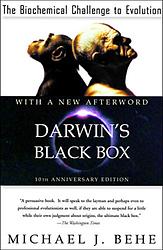
1996, Michael J. Behe
This book presents a critique of the theory of evolution from a biochemical perspective. The author argues that complex biochemical systems within the cell, such as blood clotting and vision, could not have evolved gradually through natural selection because they are "irreducibly complex" - all part
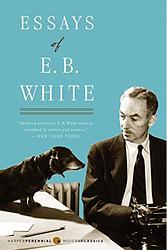
1977, E. B. White
This book is a collection of essays written by a renowned American writer, offering a wide range of topics including nature, politics, literature, and personal experiences. The author's distinct style of writing, characterized by wit, humor, and profound insight, is evident throughout the book. The
1953, Leon Edel
This book is an in-depth biography of one of the most influential writers of the 19th century. The author meticulously details the life and work of the subject, from his early years in New York and his extensive travels in Europe, to his eventual settling in England and his career as a writer. The b
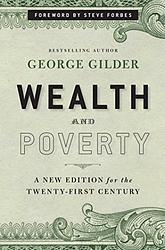
1981, George Gilder
"Wealth and Poverty" is an influential exploration of the economic and social theories that drive the wealth distribution in the United States. The book argues that supply-side economics and capitalism are the most effective systems for creating wealth and reducing poverty. It criticizes welfare pro
1953, Randall Jarrell
This book is a collection of essays that delve into the nature and purpose of poetry, with a specific focus on the contemporary state of poetry in the mid-20th century. The author provides a critical analysis of the works of various poets, including their techniques, themes, and influences. He also
1904, Henry Adams
The book is a detailed historical and social analysis of the architecture, sculpture, and stained glass of two iconic French landmarks: Mont-Saint-Michel and Chartres Cathedral. It explores the medieval imagination through these structures, offering a fascinating study of the cultural, intellectual,
1933, Norman Douglas
"Looking Back" is a memoir that provides a detailed account of the author's life, experiences, and travels. The author reflects on his encounters with various personalities, his explorations of different cultures, and his observations about the world. The book offers a unique perspective on life, re
1971, Jaroslav Pelikan
"The Christian Tradition" is a comprehensive exploration of the historical development of Christian doctrine from the first century to the present day. It provides an in-depth analysis of the key figures, events, and ideas that have shaped Christian thought, emphasizing the diversity and richness of
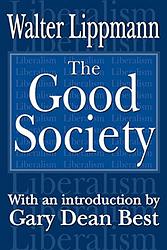
1937, Walter Lippmann
"The Good Society" is a critical examination of the economic and political systems of the 20th century, with a focus on capitalism and socialism. The author argues that both systems have inherent flaws and suggests a third way, a form of democratic socialism, which would combine the best elements of
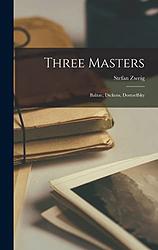
1946, Stefan Zweig
This book offers a comprehensive biography of the famed French novelist and playwright, Honore de Balzac. The author delves deep into Balzac's life, exploring both his personal and professional experiences. The narrative sheds light on Balzac's tumultuous relationships, his relentless work ethic, an
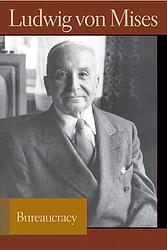
1944, Ludwig von Mises
"Bureaucracy" is a critical examination of the structure and function of bureaucracies in both the public and private sectors. The author argues that bureaucratic management, with its focus on rules and regulations, is not only inefficient but also stifles innovation and individual initiative. He fu
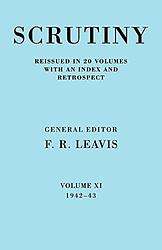
1932, F. R. Leavis
"Scrutiny" is a collection of critical essays that analyze various aspects of literature, culture, and society. The author employs a rigorous and scholarly approach, providing in-depth analyses of numerous works of literature, while also examining the role of literary criticism and its impact on cul
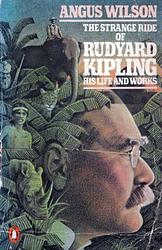
1977, Angus Wilson
"The Strange Ride of Rudyard Kipling" is a comprehensive biography that explores the life and works of the famous British author and poet, Rudyard Kipling. The book delves into Kipling's complex personality, his controversial political views, his relationships, and his creative process. It also prov
1971, Milman Parry
This book is a comprehensive study of the structure and formation of the earliest form of Greek poetry, the Homeric verse. It explores the oral tradition of the Homeric epics, suggesting that they were originally composed and performed by illiterate bards who used a complex system of formulaic langu
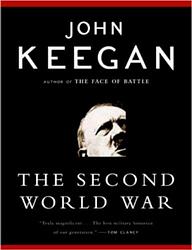
1989, John Keegan
"Second World War" is a comprehensive account of the global conflict that took place from 1939 to 1945. The book offers a detailed examination of the political, military, and social aspects of the war, from the rise of Hitler and the attack on Pearl Harbor, to the Holocaust and the dropping of the a
1934, Ezra Pound
"The ABC of Reading" is a guide that explores the art of reading literature. The author dissects the process of reading and understanding literature, highlighting the importance of understanding the historical context, the author's background, and the cultural influences that shape a piece of work.
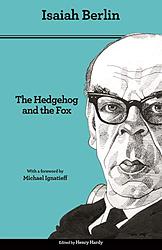
1953, Isaiah Berlin
"The Hedgehog and the Fox" is an essay that presents a philosophical and intellectual dichotomy based on a line from an ancient Greek poet, "The fox knows many things, but the hedgehog knows one big thing." The author uses this concept to categorize thinkers and writers into two groups: hedgehogs, w
1898, Konstantin P. Pobedonostsev
"Reflections of a Russian Statesman" is an insightful exploration of the author's conservative and monarchist views on the political and social issues of his time in Russia. As a prominent figure in the Russian government, he provides a candid critique of western democracy, liberalism, and the separ
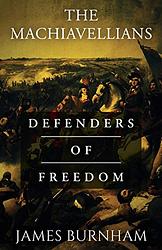
1943, James Burnham
"The Machiavellians" is a political theory book that delves into the nature of power and the realities of politics. The author explores the philosophies of Machiavelli, Pareto, Mosca, and other political theorists, arguing that the essence of politics is the struggle for power and that all societies
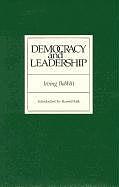
1924, Irving Babbitt
"Democracy and Leadership" is a critical examination of modern democracy, its strengths, and its potential weaknesses. The author delves into the nature of leadership within democratic systems, questioning the effects of populism and mass movements on the quality of leaders. He argues for a balance
1966, Robert Blake
This biography provides a comprehensive look at the life and political career of Benjamin Disraeli, one of the most influential figures in 19th-century British politics. The book explores his rise from a debt-ridden novelist to the prime minister of the United Kingdom, highlighting his charismatic p
1927, Martin Heidegger
Being and Time is a seminal work that explores the concept of "being" through a detailed analysis of human existence. The book delves into existential and phenomenological thought, examining how humans relate to the world and their own existence. The author argues that people are always "being-in-th
1957, Bernard Lonergan
The book is a comprehensive exploration of human understanding and cognition from a philosophical perspective. It delves into the nature of knowledge, the process of knowing, and the dynamics of inquiry and learning. The author presents a detailed analysis of the human intellect and its operations,
1921, Ludwig Wittgenstein
"Tractatus Logico-Philosophicus" is a seminal work in analytic philosophy that presents a comprehensive picture of reality and our knowledge of it. The book outlines a logical structure for all scientific discourse, arguing that language and its logical structure are the primary tools for understand
1927, Sewell Tyng
"The Campaign of the Marne" is a detailed account of the crucial battle that took place during the early stages of World War I. The book provides an in-depth analysis of the strategies, tactics, and decisions made by both the Allies and the German forces. It sheds light on the significant impact of
1988, Wolfhart Pannenberg
"Systematic Theology" is a comprehensive exploration of Christian doctrine from the perspective of a renowned German theologian. It delves into the nature of God, the creation of the universe, and the essence of humanity, among other topics. The author's approach is unique in that he uses historical
1919, Johan Huizinga
"The Waning of the Middle Ages" is a historical analysis of the cultural life of the late Middle Ages, particularly in France and the Low Countries, during the 14th and 15th centuries. It delves into the period's modes of thought, forms of expression, religious beliefs, and social norms. The book ar
1927, Vernon L. Parrington
"Main Currents in American Thought" is a comprehensive three-volume analysis of American literature and thought from the pre-colonial period to the early 20th century. The volumes explore the evolution of American philosophy, political ideology, and literature, highlighting the influence of various
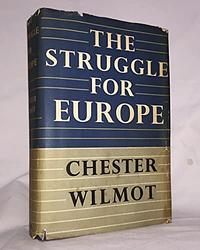
1952, Chester Wilmot
"The Struggle for Europe" is a comprehensive historical account of World War II from the perspective of the Western Allies. It meticulously details the military strategies, political maneuverings, and individual battles that led to the defeat of Nazi Germany. The book also explores the aftermath of
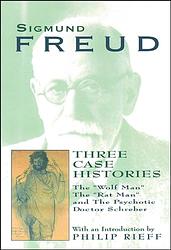
1963, Sigmund Freud
"Three Case Histories" is a compilation of three of the most famous case studies by a renowned psychoanalyst, exploring the complexities of the human mind. The book includes the cases of 'Little Hans', a boy with a phobia of horses, 'The Rat Man', an obsessive-compulsive patient, and 'The Wolf Man',
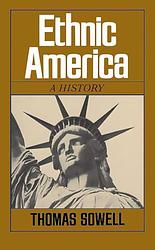
1981, Thomas Sowell
"Ethnic America" is a comprehensive study of nine ethnic groups in America, including Irish, Jewish, Italian, Chinese, Japanese, and African Americans. The book provides a detailed historical analysis of each group's immigration, struggles, successes, and influence on American culture and society. B

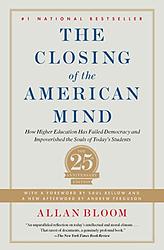
1987, Allan Bloom
The book is a critique of the contemporary American educational system, particularly in universities. The author argues that the rise of relativism and the decline of the humanities have led to a crisis in American education, with students becoming less able to think critically and more prone to mor
1969, Jane Jacobs
"The Economy of Cities" explores the concept of urbanization and its impact on economic development. The author argues that cities are the primary drivers of economic growth and innovation, challenging the traditional belief that rural agriculture is the foundation of economic development. The book
1948, Richard M. Weaver
"Ideas Have Consequences" is a philosophical work that explores the societal and cultural impacts of ideas, arguing that the decline of Western society can be traced back to the rejection of absolute truth. The author posits that this rejection has led to moral relativism, materialism, and a culture
1951, William F. Buckley, Jr
This book is a critique of the author's alma mater, Yale University, arguing that the institution had strayed from its original mission. The author claims that the university was promoting atheism and socialism, instead of fostering intellectual freedom and individualism. He criticizes the faculty f
1955, Richard Hofstadter
This historical analysis explores the political and social changes in the United States from the 1890s to the 1940s, focusing on the Populist and Progressive movements. The author scrutinizes the motivations and accomplishments of reformers during this time, arguing that their efforts were driven mo
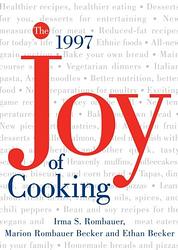
1931, Ethan Becker
This book is a comprehensive guide to home cooking, providing readers with a wide range of recipes, techniques, and advice for all kinds of dishes. It covers everything from appetizers to desserts, with clear instructions and illustrations to make the process easy and enjoyable. The book also includ
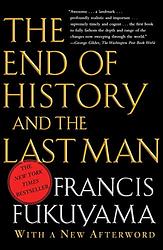
1992, Francis Fukuyama
This book presents a provocative exploration of the evolution of political systems and the role of liberal democracy in the global landscape. The author argues that the progression of history, as defined by the development of political and economic systems, has culminated in liberal democracy and fr
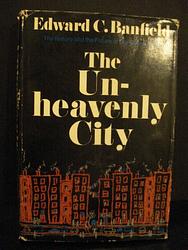
1970, Edward C. Banfield
"The Unheavenly City" is a sociological analysis of urban life in the United States during the mid-20th century. The book examines the problems faced by cities and their residents, including poverty, crime, and racial tensions. The author argues that these issues are largely due to cultural and beha
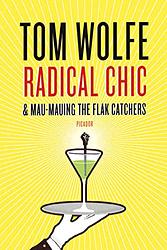
1970, Tom Wolfe
This book is a satirical exploration of the interactions and contradictions between high society and radical politics in the late 1960s and early 1970s. The first part of the book focuses on a fundraising party for the Black Panthers hosted by a wealthy New York couple, examining the complex mix of
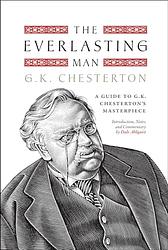
1925, G. K. Chesterton
"The Everlasting Man" is a Christian apologetics book that explores the spiritual journey of mankind, arguing against both evolution and atheism. The author divides human history into two parts: before and after the arrival of Jesus Christ. He presents humanity as a unique creature in the universe,
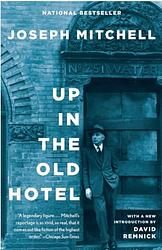
1992, Joseph Mitchell
"Up in the Old Hotel" is a collection of essays that paints a vivid picture of New York City from the 1930s to the 1960s. The stories introduce a rich tapestry of characters, from street preachers and gypsies to oystermen and bar regulars, each with their own unique history and perspective. The book
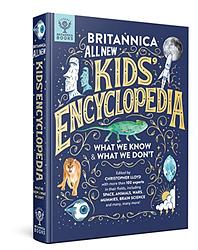
1768, Encyclopedia Britannica
This comprehensive reference work is a general knowledge English-language encyclopedia. It is written by about 100 full-time editors and more than 4,000 contributors, who have included 110 Nobel Prize winners and five American presidents. The encyclopedia is regarded as one of the most scholarly of
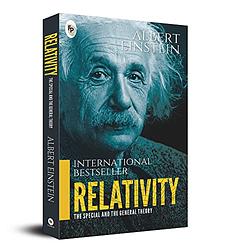
1916, Albert Einstein
This book is a comprehensive introduction to the theory of relativity written by the physicist who developed the theory. It covers both the special and general theories of relativity and provides an accessible explanation of the physics involved, including the nature of light, time, and gravity. The
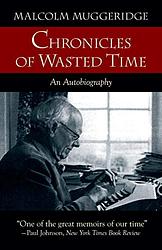
1972, Malcolm Muggeridge
"Chronicles of Wasted Time" is an autobiography that explores the life and thoughts of a British journalist and satirist during the 20th century. The book provides a critical perspective on the political and social changes of the time, including the author's experiences in India, Russia, and during
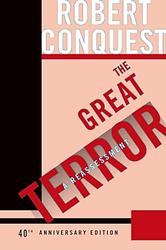
1968, Robert Conquest
"The Great Terror" is a comprehensive analysis of Joseph Stalin's purges in the Soviet Union during the 1930s. The book delves into the brutal and systematic elimination of potential political rivals, intellectuals, and ordinary citizens, who were falsely accused of espionage, sabotage, or being cou
1957, Norman Cohn
This book provides a comprehensive historical analysis of millenarian movements in Europe from the 11th to 16th centuries. It delves into the social and psychological factors that led to the rise of these movements, which were characterized by the belief in an impending apocalypse followed by a new,
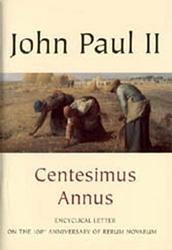
1991, Pope John Paul II
"Centesimus Annus" is a papal encyclical where the Pope explores and reaffirms the Catholic Church's teachings on social and economic issues. It was written on the hundredth anniversary of "Rerum Novarum," an earlier encyclical addressing issues of labor and the economy. The document discusses the d
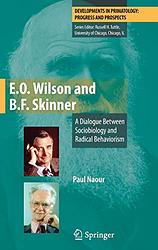
1975, E. O. Wilson
"Sociobiology" is a comprehensive and scholarly work that explores the biological basis of social behavior in all species, including humans. The author weaves together findings from various fields such as ethology, anthropology, evolution, and genetics to propose a new discipline - sociobiology. He
1922, Max Weber
"Economy and Society" is a comprehensive analysis of the relationship between economy and society, focusing on the role of social actions and their impact on economic systems. The book presents a theoretical framework for understanding how economic and social structures influence each other, includi
1953, Ludwig Wittgenstein
This book is a seminal work in 20th-century philosophy, presenting a detailed critique of the notion that our language directly corresponds to reality. The author argues that the meaning of words is not inherent, but rather derives from their use within specific forms of life. The book also introduc
1952, Eric Voegelin
"The New Science of Politics" is a seminal work in political philosophy that explores the nature of political societies, the symbolism of political power, and the essence of modernity. It delves into the evolution of political thought, from ancient civilizations to the modern era, and critically exa
1953, Leo Strauss
This book is an exploration of the concept of natural rights and their relation to history. The author argues that the idea of natural rights is a fundamental aspect of Western civilization and is essential for its survival, but also notes that this concept has been largely forgotten or misunderstoo
1942, Joseph A. Schumpeter
The book provides an in-depth analysis of the interplay between capitalism, socialism, and democracy, arguing that capitalism is a catalyst for creative destruction and innovation, but also paves the way for socialism due to its inherent instability and tendency to create wealth inequality. It furth
1944, George Santayana
"Persons and Places" is an autobiographical work that explores the author's early life, education, and experiences. The writer, a philosopher, poet, and critic, delves into his upbringing in Spain and his time in Boston, shedding light on his philosophical views and how his experiences shaped them.
1966, Philip Rieff
This book explores the shift in Western society from a community-oriented, moralistic perspective to a more individualistic, therapeutic one. The author argues that the rise of psychotherapy and the decline of traditional religious authority have led to a culture that values self-fulfillment and per