Menu

Last collection of books

1983, Walker Percy
The book is a satirical self-help guide that explores the human condition and our place in the universe through a series of thought experiments, quizzes, and essays. It delves into topics such as existentialism, semiotics, philosophy, science, and religion, all with a humorous twist. The book challe
1979, Flannery O'Connor
"The Habit of Being" is a collection of personal correspondence by a renowned southern writer, offering a profound insight into her private life, thoughts, and creative processes. These letters, written over a span of two decades, reveal her struggle with lupus, her strong Catholic faith, her sharp
1953, Robert Nisbet
"The Quest for Community" is a sociological analysis that examines the rise of individualism and the decline of community in Western societies. The author argues that the erosion of traditional communities and associations has led to increased state power and control, creating a society where indivi
1919, H. L. Mencken
"Prejudices" is a collection of essays that offers a critical and humorous look at American culture and society in the early 20th century. The author provides biting commentary on a variety of topics, including literature, politics, and the arts, while also offering his own unconventional and often
1981, Alasdair MacIntyre
This book is a critique of contemporary moral philosophy, arguing that modern ethical theories have failed to provide a coherent basis for moral judgments. The author believes that the Enlightenment project of justifying morality through reason has ultimately failed, leading to a culture of emotivis
1936, Arthur Lovejoy
"The Great Chain of Being" is an intellectual history that traces the philosophical idea of the "Great Chain of Being" from the ancient Greeks through the Middle Ages, Renaissance, Enlightenment, and into the 19th century. The concept posits a hierarchical structure of all matter and life, with God
1962, Michael Oakeshott
"Rationalism in Politics" is a collection of essays that critique the role of rationalism in politics, arguing that political decisions should be based on tradition and experience rather than abstract theories. The author asserts that rationalism, with its emphasis on premeditated, systematic approa
1930, José Ortega y Gasset
"The Revolt of the Masses" is a philosophical work that discusses the rise of the "mass man" and the potential danger this presents to society. The author argues that the mass man, characterized by his lack of individuality and rejection of higher values, is a product of modern society and its empha
1953, Russell Kirk
"The Conservative Mind" is an exploration and analysis of conservative thought in Western political history. The author delves into the ideologies and philosophies of prominent conservative thinkers, tracing the evolution of conservative ideas from the 18th century to the mid-20th century. The book
1983, Paul Johnson
"Modern Times" is an in-depth historical analysis of the 20th century, covering major events, movements, and figures that have shaped the modern world. The author critically examines the impacts of World War I and II, the Cold War, the rise of totalitarian regimes, and the influence of religion and
1961, Jane Jacobs
This book is a critique of 1950s urban planning policy, which it holds responsible for the decline of many city neighborhoods in the United States. The author argues that modernist urban planning rejects the city, because it rejects human beings living in a community characterized by layered complex
1955, Will Herberg
This book is a comprehensive exploration of religious diversity in the United States, particularly focusing on the three major faiths: Protestantism, Catholicism, and Judaism. The author delves into the historical roots and evolution of these religions, their influence on American culture and societ
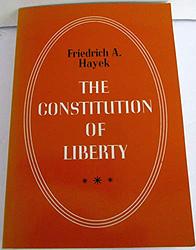
1960, Friedrich von Hayek
This book is a comprehensive analysis of the concept of liberty, emphasizing the importance of individual freedom in political, societal, and economic contexts. The author argues that a free society, where individuals can act according to their own decisions and plans, is the most effective system f

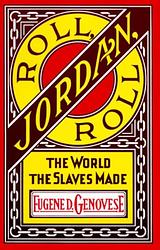
1974, Eugene Genovese
"Roll, Jordan, Roll" is a comprehensive exploration of slavery in the United States, specifically focusing on the complex relationships between slaves and their masters. The book examines how slaves managed to preserve their culture, humanity and dignity, while also highlighting the paradoxical natu
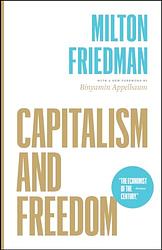
1962, Milton Friedman
This book explores the role of competitive capitalism - the organization of the bulk of economic activity through private enterprise operating in a free market - as both a device for achieving economic freedom and a necessary condition for political freedom. The author further examines how freedom c
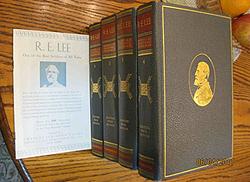
1934, Douglas Southall Freeman
"R. E. Lee" is a comprehensive biography that provides a detailed account of the life of the famed Confederate General Robert E. Lee. The book dives deep into his personal life, his military strategies, and his role in the American Civil War, offering a balanced and nuanced portrayal of Lee. It also
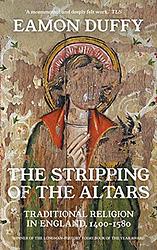
1992, Eamon Duffy
"The Stripping of the Altars" provides an in-depth look into the religious practices and beliefs of the English people before, during, and after the Protestant Reformation. The book challenges the traditional narrative of a corrupt Catholic Church being replaced by a more pure Protestantism, instead
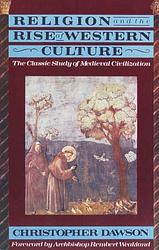
1950, Christopher Dawson
"Religion and the Rise of Western Culture" explores the deep influence of Christianity on the development of Western civilization. The author examines how Christianity shaped the cultural, political, and social aspects of Europe, particularly during the Middle Ages, and how it played a crucial role
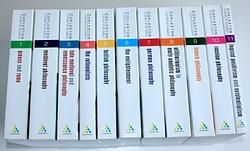
1946, Frederick Charles Copleston
This book is a comprehensive overview of Western philosophy, starting from the Pre-Socratic philosophers to contemporary thinkers. It meticulously traces the evolution of philosophical thought, providing in-depth analysis of key figures and their contributions. The book also critically examines vari
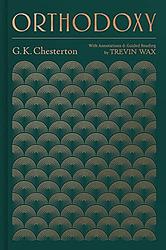
1908, G. K. Chesterton
"Orthodoxy" is a classic work of Christian apologetics that explores and defends the beliefs that are central to Christian faith. The author presents his personal journey towards faith, arguing for the reasonableness of Christianity. He challenges popular assumptions of his time about religion, fait
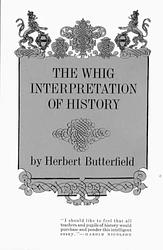
1931, Herbert Butterfield
This book is a critical examination of the Whig interpretation of history, which tends to present past events and people in a way that validates the present. The author argues that this approach oversimplifies complex historical events and imposes modern values onto the past, thereby distorting our
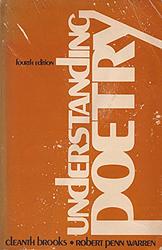
1938, Cleanth Brooks
"Understanding Poetry" is a comprehensive guide that aims to educate readers about the art of poetry, its interpretation, and its appreciation. It breaks down complex concepts into easily understandable language, making it a suitable read for both novices and seasoned poetry enthusiasts. The book co
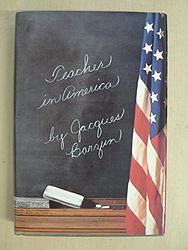
1945, Jacques Barzun
"Teacher in America" is an insightful examination of the American education system and the role of teachers. The author provides a critical analysis of the challenges faced by educators, the importance of pedagogical methods, and the necessity of fostering a love for learning in students. The book a
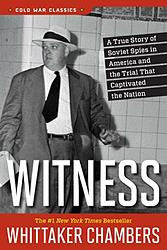
1952, Whittaker Chambers
"Witness" is a gripping autobiography that chronicles the author's life as a Communist party member, his espionage activities for the Soviet Union, and his eventual renunciation of communism. The book also details his role as the key witness in the 1948 Alger Hiss trial, a high-profile case that had
1943, C. S. Lewis
This philosophical book explores the concepts of objective value and natural law, arguing that these are essential for moral reasoning. The author criticizes modern education for producing "men without chests," by which he means individuals who deny the importance of moral absolutes. He suggests tha
1968, George Orwell
This book is a compilation of essays by a renowned author, known for his sharp wit and critical eye. It covers a wide range of topics, from politics and language to literature and culture. The author's insightful and often provocative viewpoints provide a unique perspective on the world, challenging
1944, Friedrich von Hayek
"The Road to Serfdom" is a classic work of political philosophy and economics that argues against the concept of socialism and centralized economic planning. The author asserts that such systems inevitably lead to totalitarianism, infringing upon individual liberties and stifling innovation. The boo
1939, David Cecil
This book provides an in-depth look at the life of William Lamb, 2nd Viscount Melbourne, who served as Prime Minister in early 19th century Britain. It explores his personal life, including his scandalous marriage and the tragic death of his only legitimate child, as well as his political career. Th
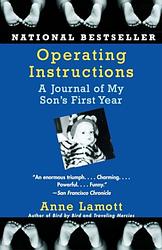
1993, Anne Lamott
This book is a candid, humorous account of a single mother's first year with her newborn son. The author shares her journey through the highs and lows of motherhood, dealing with everything from sleep deprivation and breastfeeding struggles to profound love and joy. The narrative also explores her p
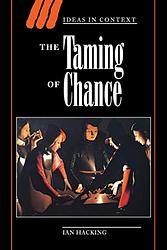
1990, Ian Hacking
"The Taming of Chance" delves into the evolution of the concept of probability and its societal implications. The book takes the reader through the historical progression of probability and statistics, illustrating how they have shaped and been shaped by societal norms. The author highlights the pro
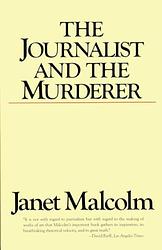
1990, Janet Malcolm
The book is a gripping exploration of the uneasy relationship between journalists and their subjects. It delves into the ethical dilemmas faced by journalists when they become too involved with their subjects. The narrative centers around a lawsuit between a convicted murderer and the author who wro
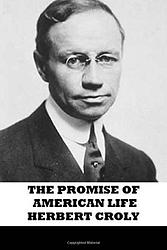
1909, Herbert Croly
"The Promise of American Life" is a work of political and social criticism which discusses the role and purpose of democracy in the United States. The author argues that the American democratic system has not lived up to its potential due to the influence of powerful individuals and groups. He advoc
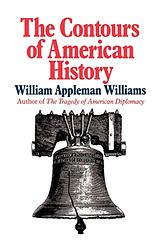
1961, William Appleman Williams
"Contours of American History" is a comprehensive exploration of the historical development of the United States, focusing on its economic, political, and social evolution from colonial times to the 20th century. The book presents a critical analysis of America's expansionist ideology, its impact on
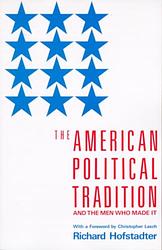
1948, Richard Hofstadter
"The American Political Tradition" is a critical examination of the United States' political history from the founding fathers to the New Deal era. The book presents nuanced portraits of key figures, challenging the conventional wisdom about their roles and beliefs, and explores the tensions between
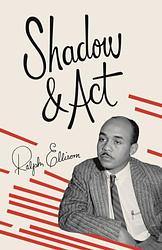
1964, Ralph Ellison
This book is a collection of essays that explore the complexities of racial identity and the cultural and social issues surrounding it. The author delves into his own experiences as an African American man in the mid-20th century, offering a poignant commentary on the racial divide in America. He al
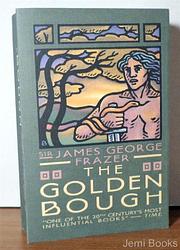
1890, James George Frazer
"The Golden Bough" is a comprehensive study on mythology and religion, exploring the common themes found in different cultures around the world. The author uses a wide range of sources to argue that human belief progressed through three stages: primitive magic, replaced by religion, which in turn wa
1940, G. H. Hardy
"A Mathematician's Apology" is a deeply personal reflection on the beauty and importance of pure mathematics. The author, a renowned mathematician, defends the pursuit of mathematics for its own sake, arguing it's a creative art form akin to poetry or painting. The book provides insight into the min
1942, Beryl Markham
The book is a memoir of a British-born woman who grew up in Kenya during the early 20th century. She recounts her unconventional upbringing, her passion for horses, and her career as a bush pilot. The narrative is filled with vivid descriptions of the African landscape and wildlife, as well as her p
1988, Neil Sheehan
"A Bright Shining Lie" is a detailed account of the Vietnam War through the eyes of a charismatic and controversial American military advisor. The book provides an in-depth examination of the war, delving into the complex political and military strategies, the culture of corruption and deceit, and t
1952, Lawrence Gowing
"Vermeer" is an in-depth study of the life and works of the renowned Dutch painter, Johannes Vermeer. The book provides a comprehensive analysis of Vermeer's artistic style, techniques, and the unique qualities that distinguish his work from other artists of his time. With a focus on individual pain
1935, George Dangerfield
"The Strange Death of Liberal England" is a historical analysis that explores the decline of the Liberal Party and the rise of the Labour Party in early 20th century England. The book delves into the socio-political factors that led to this shift, including the suffragette movement, the Irish Nation
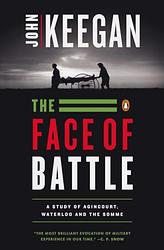
1976, John Keegan
"The Face of Battle" is a military history book that examines warfare from the perspective of the common soldier. It explores three significant battles in detail - the Battle of Agincourt in 1415, the Battle of Waterloo in 1815, and the Battle of the Somme in 1916. By focusing on the experiences of
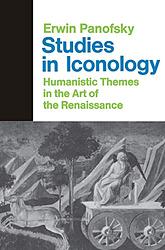
1939, Erwin Panofsky
"Studies in Iconology" is a seminal work in the field of art history that examines the use of allegory, symbol, and motif in visual art. The author uses a method known as iconology, which is the study of the content and meaning of works of art, as opposed to their form. By doing so, he provides a de
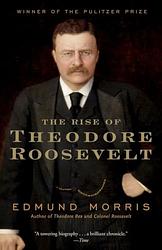
1979, Edmund Morris
This biography explores the early life and career of Theodore Roosevelt, detailing his journey from a sickly child to a robust young man who embraced a range of interests from nature to politics. It chronicles his personal life, including the tragic death of his wife and mother on the same day, and
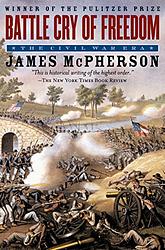
1988, James M. McPherson
"Battle Cry of Freedom" is a comprehensive exploration of the events leading up to, during, and following the American Civil War. The book delves into the political, social, and economic factors that led to the war, and examines the strategies, battles, and key figures of this pivotal period in Amer
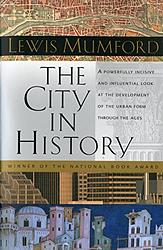
1961, Lewis Mumford
"The City in History" explores the development of urban life over the course of history. The author provides a comprehensive evaluation of cities from ancient times to the modern era, examining their architectural, social, political, economic, and cultural aspects. The book also offers a critique of
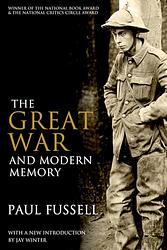
1975, Paul Fussell
"The Great War and Modern Memory" is a critical analysis of the impact of World War I on the English society and culture. The author explores the war's influence on literature, language, and symbolism, arguing that the horrific experiences of the war drastically altered public perception and underst
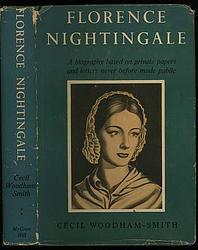
1950, Cecil Woodham-Smith
This biography provides an in-depth look at the life and accomplishments of Florence Nightingale, a renowned nurse and social reformer. The author delves into Nightingale's personal life, her groundbreaking work in nursing during the Crimean War, and her relentless efforts to reform healthcare. The
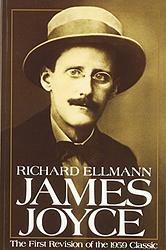
1959, Richard Ellmann
This book is a comprehensive biography of a renowned Irish writer, delving into his life, work, and the intricate relationship between the two. It provides a detailed account of the writer's personal life, including his upbringing in Dublin, his self-imposed exile from Ireland, and his personal rela
1979, Elaine Pagels
This book explores the findings of the Nag Hammadi library, a collection of gnostic texts discovered in 1945. The author examines these texts, which were excluded from the canonical Bible, and discusses their implications for our understanding of early Christianity. The book delves into the diversit
1963, William H. McNeill
"The Rise of the West" is a comprehensive historical narrative that explores the development of Western civilization from the early stages of human history to the 20th century. The book provides a detailed analysis of various civilizations around the world, their interactions, and the resulting cult
1955, C. Vann Woodward
This historical analysis examines the history and development of racial segregation laws, known as "Jim Crow", in the United States. It explores the origins of these laws in the post-Civil War era, their enforcement in the South, and the eventual resistance and dismantling of them during the Civil R
1962, Thomas Kuhn
This influential book examines the history of science, focusing on the process of scientific revolutions. The author argues that scientific progress is not a linear, continuous accumulation of knowledge, but rather a series of peaceful interludes punctuated by intellectually violent revolutions. Dur
1981, Jonathan Spence
"The Gate of Heavenly Peace" is a comprehensive historical analysis of China from the 1890s through the 1980s, focusing on the intellectual and political movements that shaped the country. The book explores the complex interplay between tradition and modernity, and the often tumultuous relationship
1929, Walter Lippmann
This book is a philosophical exploration of morality in a post-religious, modern world. The author argues that with the decline of religion, society has lost its moral compass. He suggests that instead of turning to religious dogma, individuals should seek morality through personal introspection and
1926, R. H. Tawney
"Religion and the Rise of Capitalism" is a comprehensive exploration of the historical relationship between the development of capitalism and the evolution of religious thought, particularly Protestant Christianity. The author delves into the moral and ethical dimensions of capitalism, arguing that
1966, Frances A. Yates
"The Art of Memory" is a historical exploration of the ancient art of memory, and its influence on Western culture. The book delves into the memory training techniques used by ancient Greeks and Romans, and traces their evolution and application through the Middle Ages and Renaissance. The author al
1945, Karl Popper
This book is a critique of totalitarianism and a defense of liberal democracy. The author argues against the concept of a perfect, immutable society, instead advocating for an "open society" that allows for constant change and improvement. He criticizes theories of historical determinism and the not
1956, A. J. Liebling
"The Sweet Science" is a collection of essays that delves into the world of boxing during its golden age in the 1950s. The author offers a detailed analysis and vivid descriptions of famous fights and boxers of the era, such as Rocky Marciano and Sugar Ray Robinson, while also exploring the culture
1990, Ron Chernow
"The House of Morgan" is a comprehensive history of the Morgan banking dynasty, tracing its origins from the 19th century to its present-day status. The book explores the family's influence on American and international finance, politics, and society, highlighting key figures and events. It provides